
If you are new to gardening, flowers can feel a little intimidating because some of them seem determined to punish you for missing one watering or planting them six inches too far to the left.
The good news is that plenty of flowers are much more forgiving. Some will bloom happily in average soil, handle a little neglect and keep going even if you are still figuring out what “full sun” actually means in your yard.
For a beginner garden, I would skip anything especially fussy and start with plants that give you a good return for the effort. You want flowers that are easy to find, easy to grow and resilient enough that one mistake does not immediately end the season.
These are 12 of the best flowers for beginners, whether you are planting a garden bed, filling a few containers or just trying to grow something pretty without turning it into a second job.
1. Marigolds
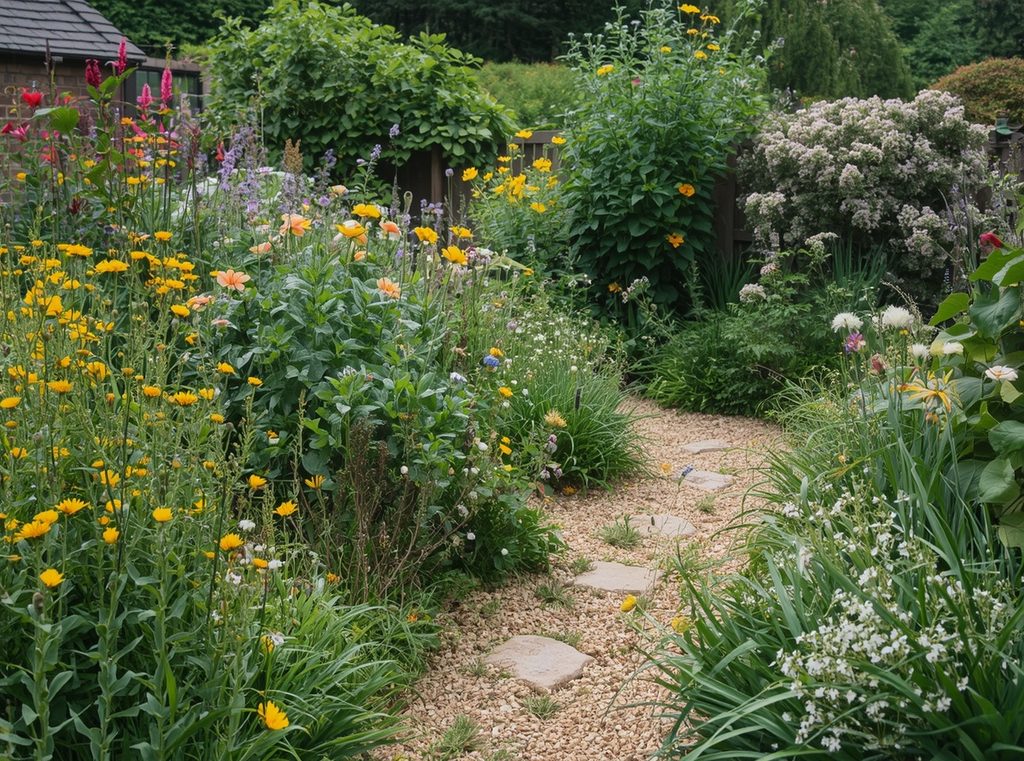
Marigolds are one of the easiest flowers to grow, which is probably why they show up in so many beginner gardens. They like sun, tolerate average soil and bloom for a long stretch of the season without needing much attention.
You can grow them from seed or buy inexpensive starter plants from almost any garden centre. Once established, they handle heat surprisingly well and usually bounce back if you forget to water them for a day.
They also come in more colours than the bright orange most people picture. You can find softer yellow, cream, rust and deep golden varieties if you want something a little less traditional.
2. Zinnias
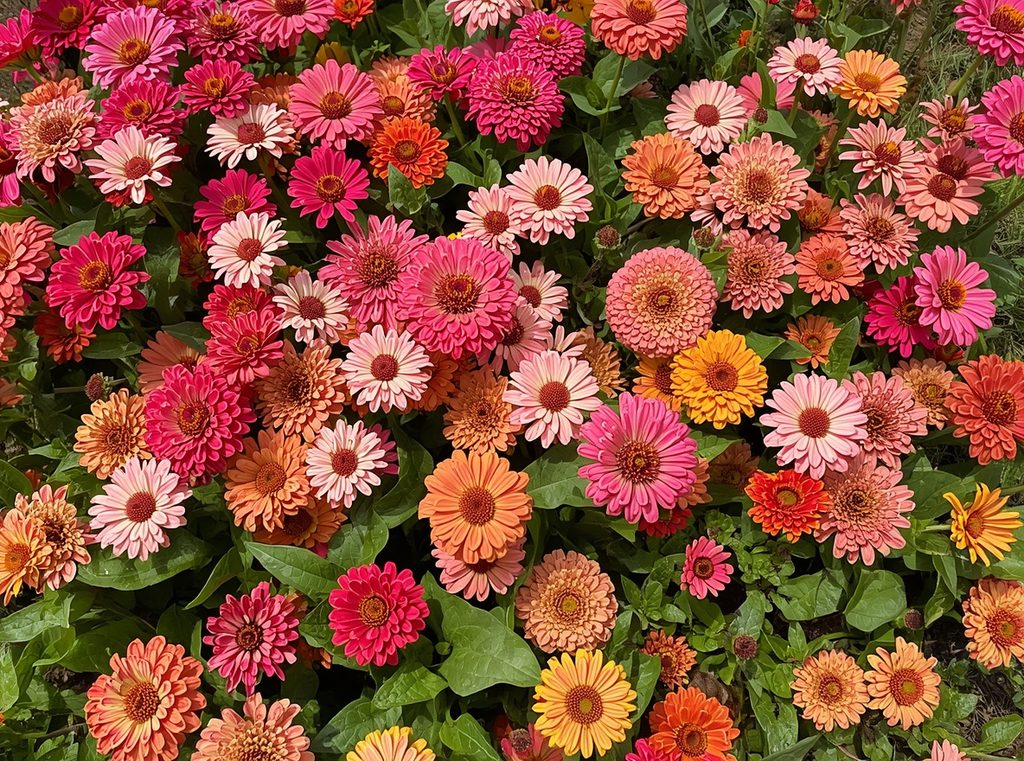
Zinnias are one of those flowers that make you feel much more successful at gardening than you actually are. Plant the seeds in a sunny spot after the danger of frost has passed, give them some water and they usually take it from there.
They bloom heavily through summer and are excellent for cutting, so you can bring flowers inside without worrying about ruining the garden. The more you cut, the more blooms the plant tends to produce.
Zinnias come in everything from soft blush and peach to bright pink, orange and red, so it is easy to find a mix that works with the rest of your garden.
3. Coneflowers
Coneflowers are a great choice if you want something that comes back every year. They are hardy perennials, tolerate heat and dry conditions once established and tend to bloom for weeks through the middle and end of summer.
The classic purple coneflower is hard to beat, but there are also white, yellow, pink and orange varieties if you want a different look. They are especially good in more natural garden beds where you do not want everything to look overly formal.
They also attract bees and butterflies, and the dried seed heads can be left standing into fall and winter instead of being cut back immediately.
4. Black-Eyed Susans
Black-eyed Susans are tough, cheerful and very forgiving. They handle full sun, average soil and periods of dry weather, and they spread enough to make a garden look full without needing constant replanting.
They work especially well in larger beds where you want a block of colour rather than a single little plant sitting by itself. Once they start blooming, the golden yellow flowers can carry a garden through late summer when some earlier flowers are beginning to fade.
If you like a looser, cottage-style garden, these are incredibly easy to work with.
5. Cosmos
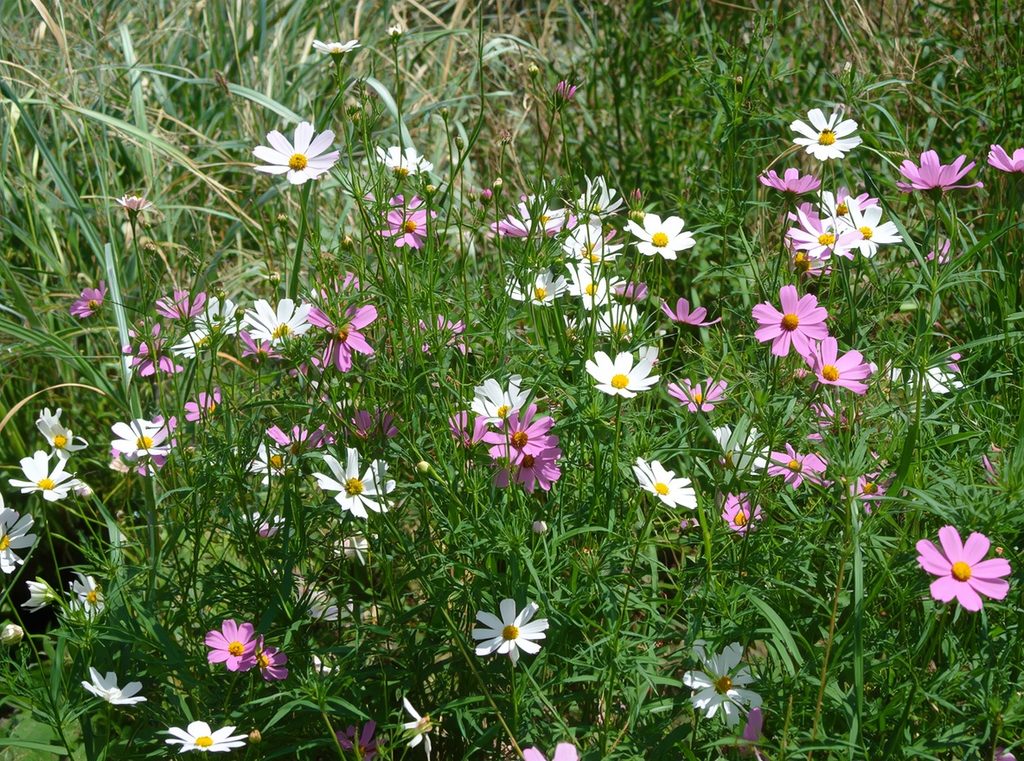
Cosmos look delicate, but they are surprisingly hard to mess up. They grow easily from seed, love sun and actually tend to bloom better in soil that is not overly rich.
The plants get tall and airy, with fern-like foliage and simple daisy-shaped flowers in shades of pink, white and burgundy. They are perfect if you want your garden to feel a little wild and less perfectly arranged.
They also reseed readily in many gardens, which means you may find new plants appearing the following year without doing anything at all.
6. Nasturtiums
Nasturtiums are easy, fast-growing and one of the best choices for containers. They have round green leaves and bright flowers that spill over the edge of pots, window boxes and raised beds.
They actually prefer soil that is not too rich, so there is no need to fuss over fertilizer. Give them sun, regular water while they are getting established and enough space to trail.
As a bonus, both the leaves and flowers are edible and have a slightly peppery flavour, which makes them a fun plant to grow near a kitchen or patio.
7. Geraniums
Geraniums are a classic for a reason. They are easy to find, bloom for months and handle containers especially well. If you have a sunny porch, balcony or patio, a pot of geraniums is about as uncomplicated as flowering plants get.
They do best when the soil is allowed to dry slightly between waterings, which makes them a good option for anyone who tends to forget the watering can occasionally. Removing spent flowers will encourage more blooms, but even that does not need to become a daily task.
If bright red is not your thing, there are plenty of softer pink, white, coral and deep burgundy varieties.
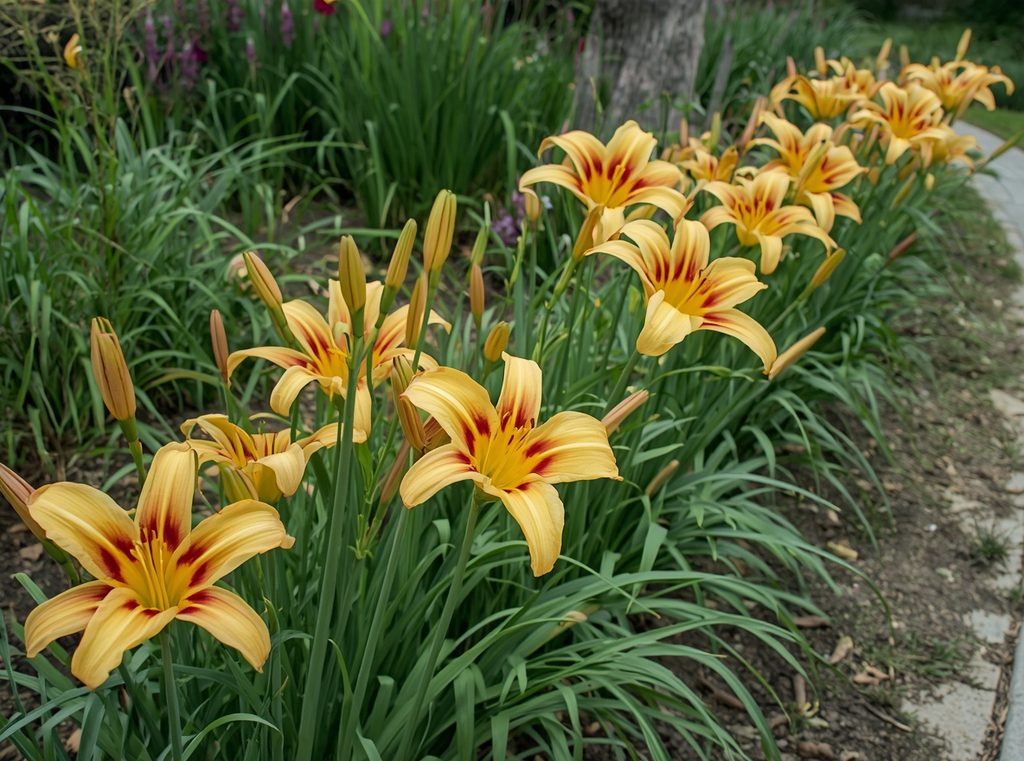
8. Daylilies
Daylilies are incredibly dependable perennials. Once planted, they can stay in the same spot for years, tolerating heat, cold and average soil with very little fuss.
Each individual flower only lasts for a day, which is where the name comes from, but established plants produce so many buds that the overall bloom period lasts much longer.
They are especially useful in places where you need a tough plant to fill space, such as along fences, beside driveways or at the back of a garden bed.
9. Sweet Alyssum
Sweet alyssum is a low-growing annual covered in tiny flowers, usually white, lavender or pale pink. It is perfect for the front edge of beds, between larger plants or spilling over the side of containers.
It grows quickly from seed and does not need much attention once established. The flowers also have a light honey-like scent, which is especially nice near patios and walkways.
In cooler weather it can bloom for a surprisingly long time, and in some climates it will even reseed itself.
10. Calendula
Calendula is another easy flower to grow directly from seed. It prefers cooler weather and often blooms best in spring and again when temperatures begin to drop in fall.
The flowers look a little like cheerful orange or yellow daisies, and the plants are very forgiving about soil. They are also easy to collect seed from, so one packet can keep going for several seasons if you save some at the end of the year.
Calendula is a good choice if you like the idea of a slightly informal garden where plants are allowed to move around and reseed naturally.
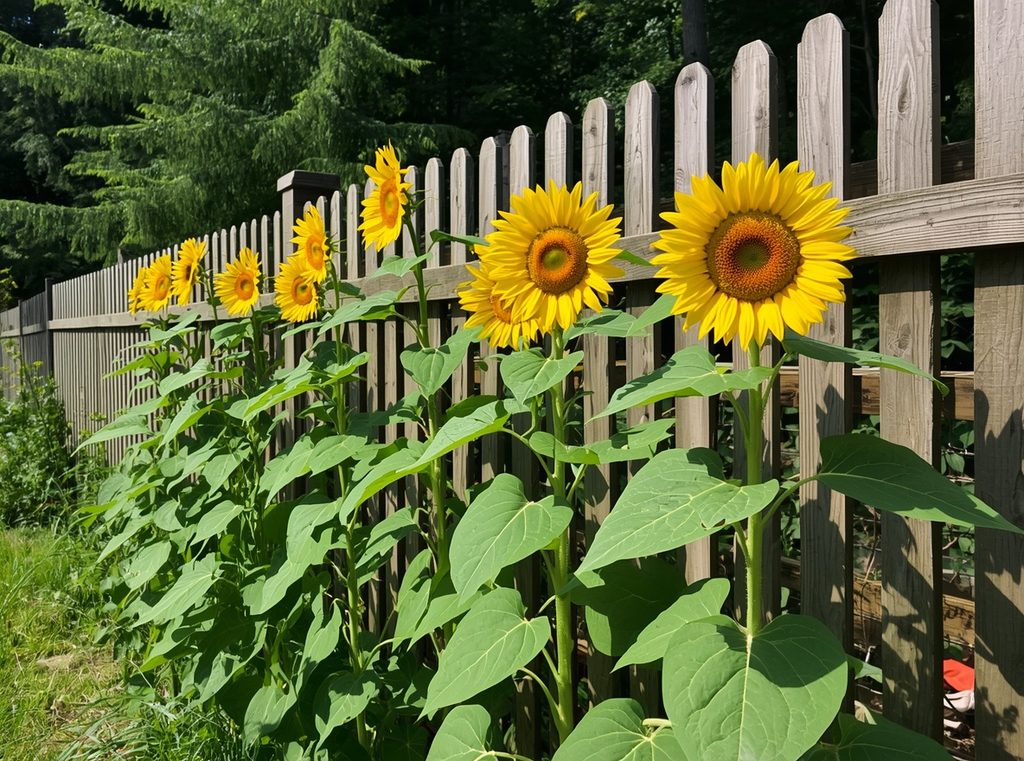
11. Sunflowers
Sunflowers are hard to beat if you want maximum payoff for very little effort. Push a seed into the ground in a sunny spot, keep it watered while it gets started and you can end up with a plant taller than you are.
There are compact varieties for containers as well as giant types for larger garden beds. You can also find branching varieties that produce several flowers instead of one enormous bloom.
Sunflowers are especially fun if you are gardening with kids because the growth is fast enough to actually notice from week to week.
12. Sedum
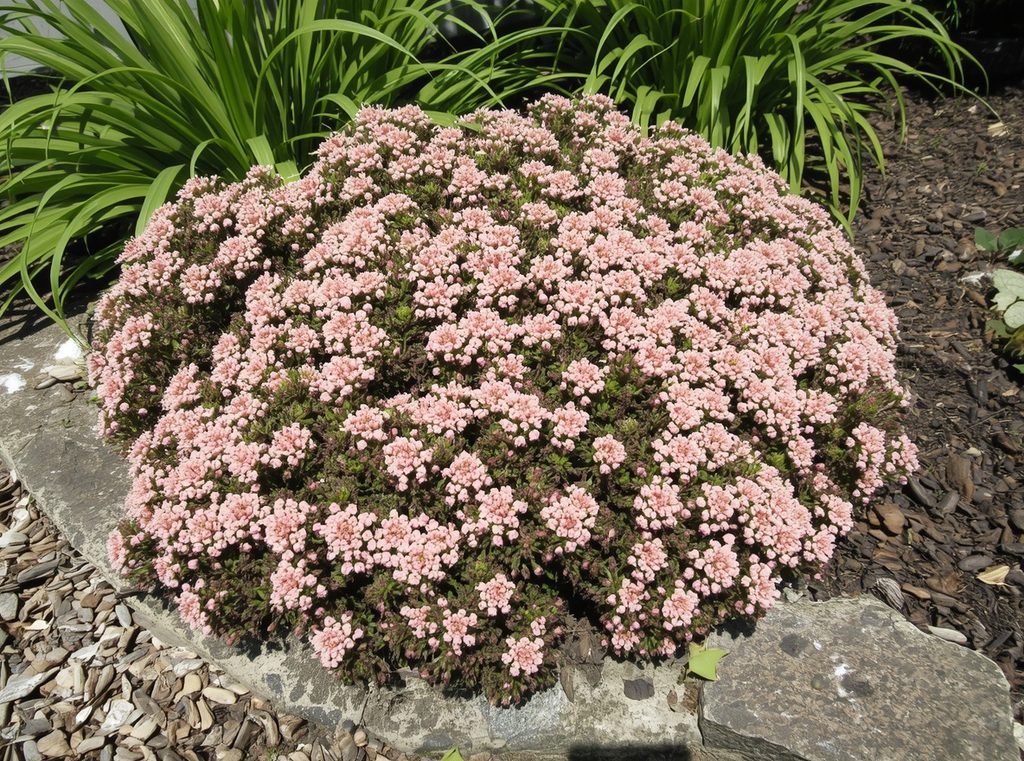
Sedum is a great flower for anyone who is more likely to overthink watering than actually remember to do it. These succulent-like perennials store moisture in their leaves and handle hot, dry conditions extremely well once established.
Many varieties bloom in late summer and fall, producing clusters of small flowers that attract pollinators. They also hold their shape nicely after the flowers fade, so there is no rush to cut them back.
Plant sedum somewhere sunny with well-draining soil and it will usually ask very little from you.
How to make your first flower garden easier
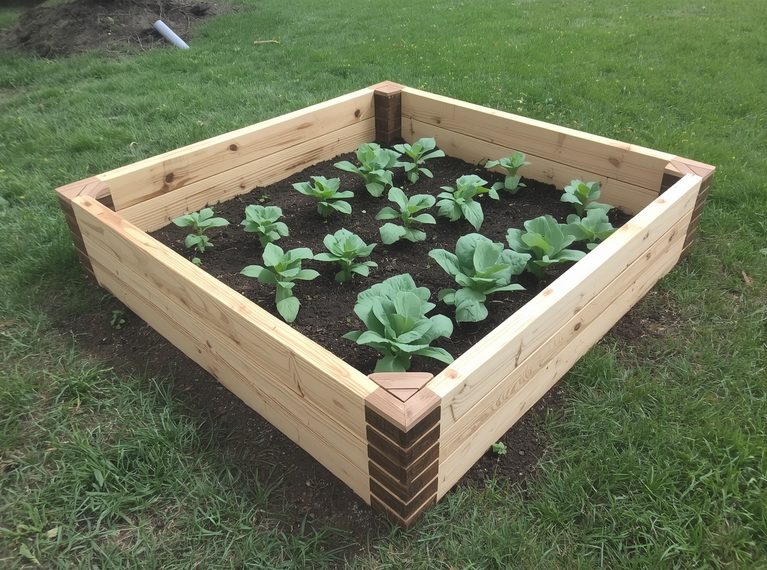
If you are starting from scratch, resist the urge to buy one of every flower you like. A beginner garden is much easier to manage when you choose three or four reliable plants and repeat them throughout the space.
Before planting anything, watch the area for a day and figure out how much sun it actually gets. Full sun generally means at least six hours of direct sunlight. If your chosen flowers need sun and the bed only gets a couple of hours in the morning, they are going to struggle no matter how carefully you water them.
It is also worth adding a layer of mulch after planting. Mulch helps the soil hold moisture, keeps weeds down and makes a new garden look much more finished while the plants are still small.
A simple beginner flower garden combination
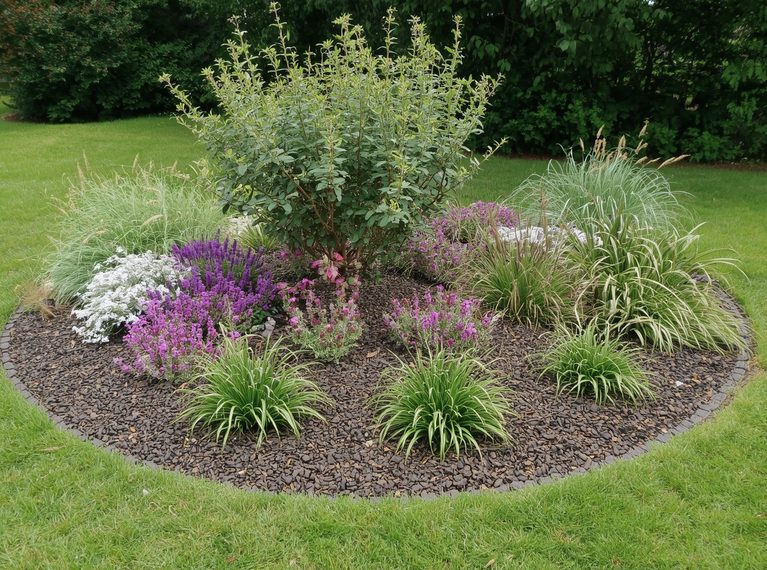
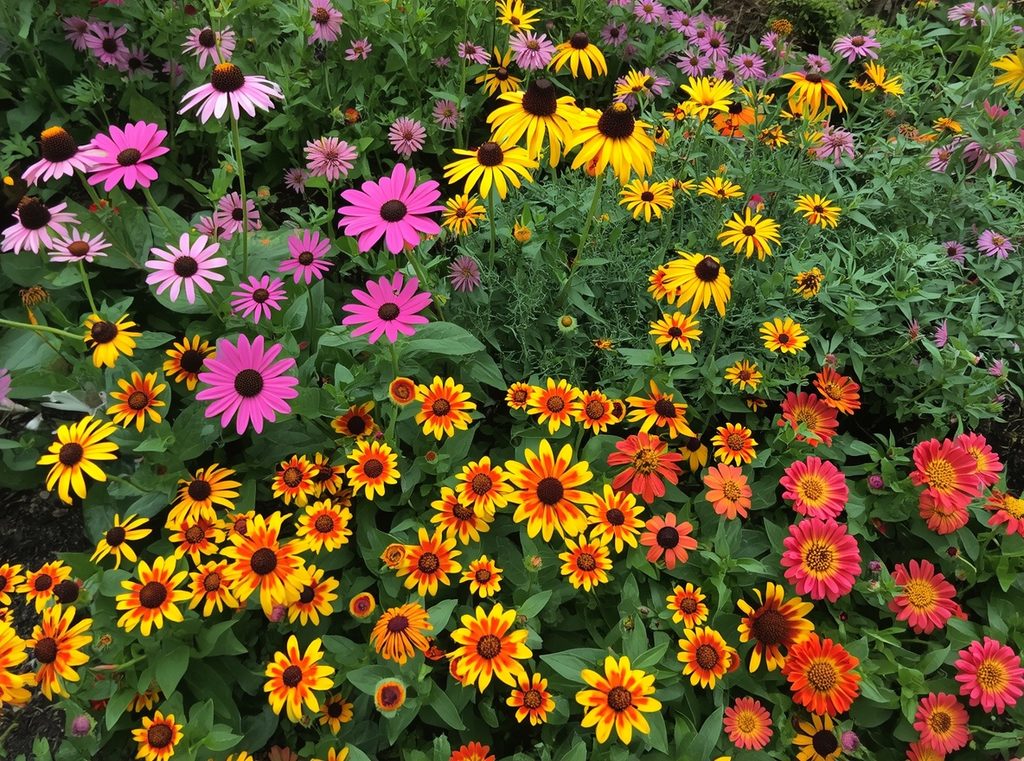
If you want a combination that is difficult to mess up, start with coneflowers or black-eyed Susans as your main perennial plants, add a few sedums or daylilies for structure and then fill the empty spaces with an easy annual like zinnias or sweet alyssum.
You will get different heights, a long season of flowers and enough repetition that the bed looks intentional without having to learn how to care for fifteen different types of plants at once.
Start with easy and build from there
There is nothing wrong with choosing plants because they are hard to kill. In fact, starting with forgiving flowers is probably the fastest way to actually enjoy gardening enough to keep doing it.
Once you figure out which parts of your yard get sun, how quickly your soil dries and how often you realistically want to water, you can always add something slightly fussier later.
For now, plant a few things that are willing to meet you halfway. A garden is much more fun when the plants are not constantly making you feel like you have done something wrong.