
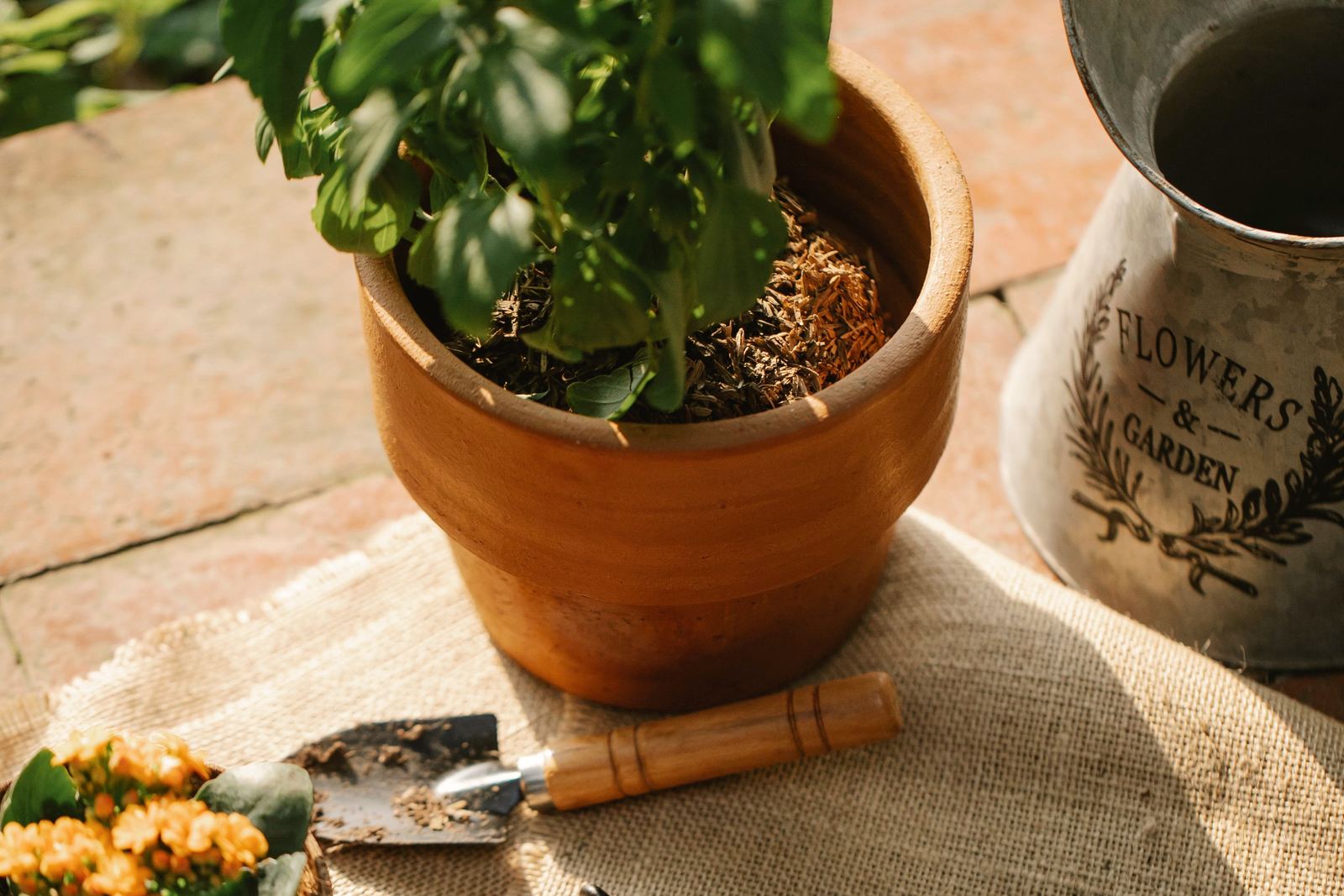
Container gardening is one of the easiest ways to make a small outdoor space feel lush without needing an actual garden bed.
A few well-chosen pots can completely change a balcony, patio, front step or tiny yard, especially when you play with height, texture and scale instead of lining up six identical planters in a row. The best container gardens feel a little collected and layered, not overly matched.
You can grow flowers, herbs, grasses, vegetables, small shrubs and even trees in containers. And because everything is movable, you can adjust things as the season changes, group pots together when you want more impact or bring delicate plants somewhere protected when the weather turns.
Here are 24 container gardening ideas that work especially well in small spaces but still make a big visual difference.
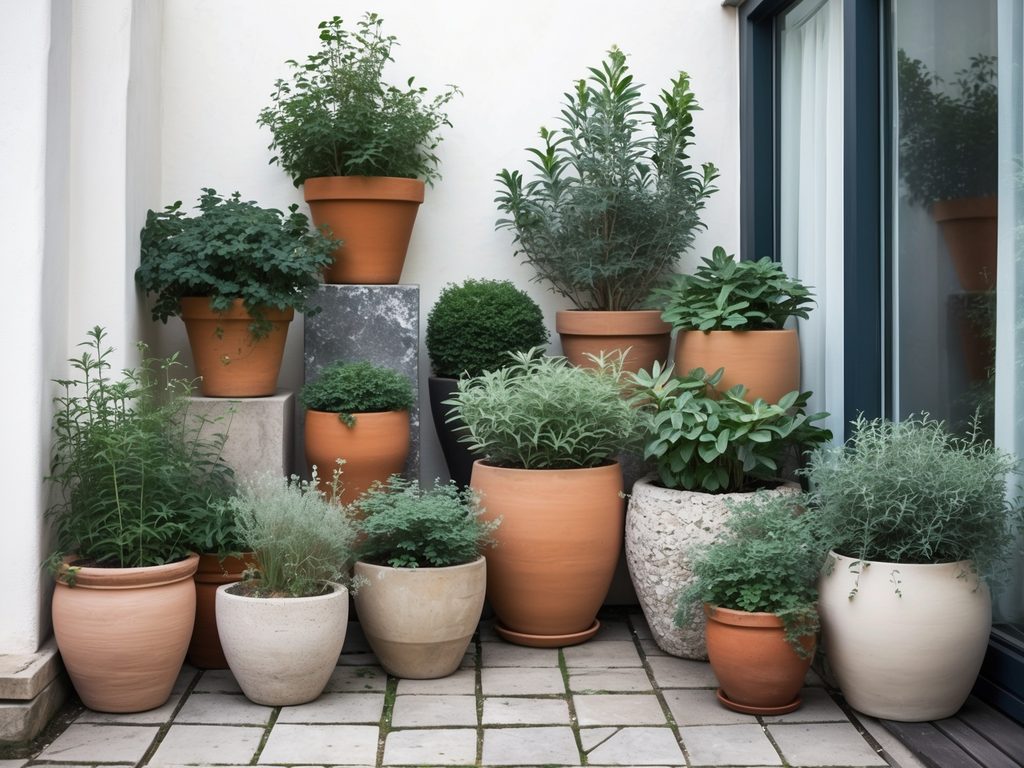
1. Group pots in odd numbers
Three or five pots grouped together usually look more natural than two or four. The difference is subtle, but odd-numbered groupings tend to feel less rigid and more visually balanced.
Use a mix of heights and shapes rather than buying matching pots. One tall planter, one medium pot and one low bowl can create a layered look even if the plants themselves are simple.
2. Mix terracotta with neutral planters
Terracotta is inexpensive, easy to find and looks better as it ages. Mixing it with a few cream, stone or charcoal containers keeps things from feeling too uniform.
You do not need every pot to match. In fact, a collected mix usually feels more interesting, especially when the colours stay within the same earthy palette.
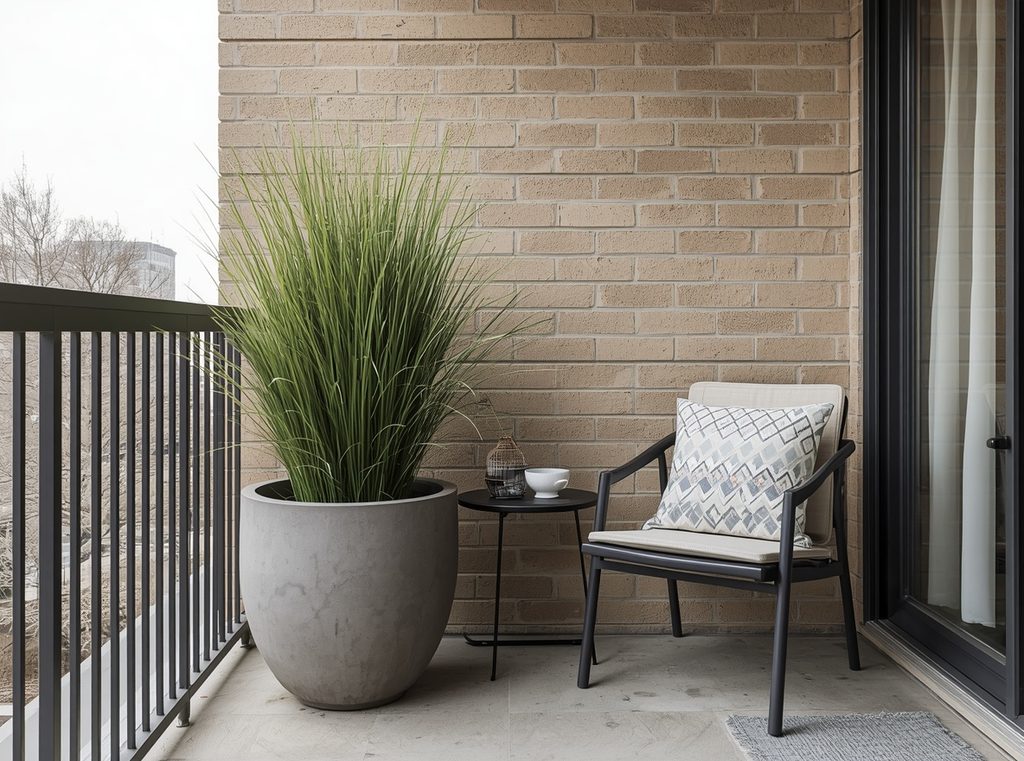
3. Use one oversized planter
Small spaces do not always need small pots. One oversized planter can actually make a balcony or patio feel more intentional because it gives the eye one strong focal point.
Fill it with an ornamental grass, dwarf shrub or small tree and let it anchor the rest of the space.
4. Create a herb garden near the kitchen
If you have a sunny spot near the kitchen door, use containers for herbs you actually cook with. Basil, parsley, thyme, rosemary, chives and mint all do well in pots with the right light.
Keeping them close makes them much more likely to get used. And definitely give mint its own container unless you want it taking over everything else.
5. Add height with grasses
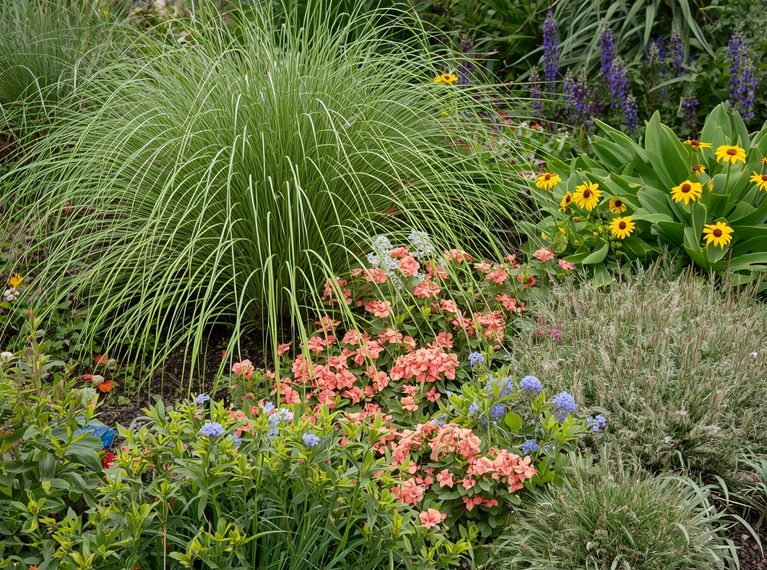
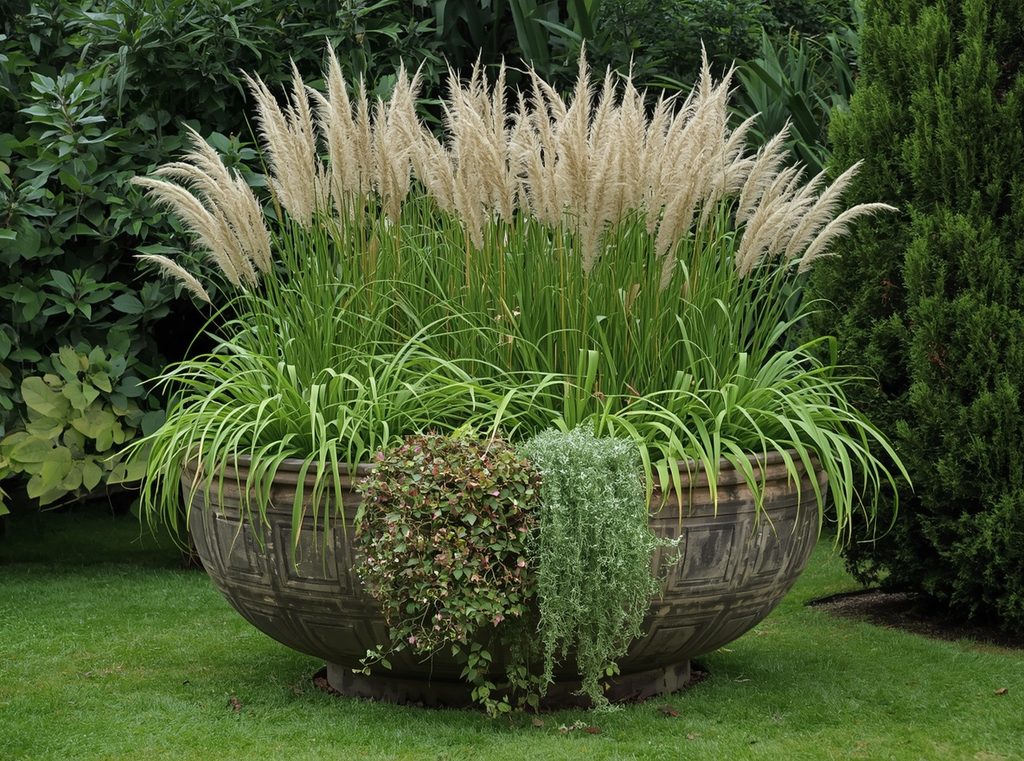
Ornamental grasses are one of the easiest ways to make container groupings feel fuller. They add movement and height without needing flowers to create impact.
They also work beautifully with lower, softer plants around the base. A tall grass in the centre with trailing greenery around the edge creates an easy layered look.
6. Use trailing plants on the edges
Trailing plants soften the hard edges of containers and make them look more established. Sweet potato vine, creeping Jenny, ivy and trailing petunias are all popular options depending on your climate and light.
You do not need to fill every planter this way, but one or two trailing plants can make a simple pot look much more finished.
7. Try the thriller, filler and spiller method
This is a classic container formula because it works. Choose one taller plant for height, a few medium plants to fill the middle and something trailing around the outside edge.
The combination creates instant depth and makes even a single container feel layered. You can use flowers, foliage or a mix of both depending on the look you want.
8. Grow tomatoes in large pots
You do not need a vegetable garden to grow tomatoes. A large container, plenty of sun and consistent watering can be enough.
Choose compact or patio varieties if your space is small, and use a cage or support from the beginning rather than trying to add one after the plant has already taken over.
9. Plant strawberries in hanging baskets
Strawberries work surprisingly well in hanging baskets because the fruit can spill over the sides instead of sitting directly on the soil.
They need good sun and regular watering, but they are a fun option if floor space is limited and you want to grow something edible.
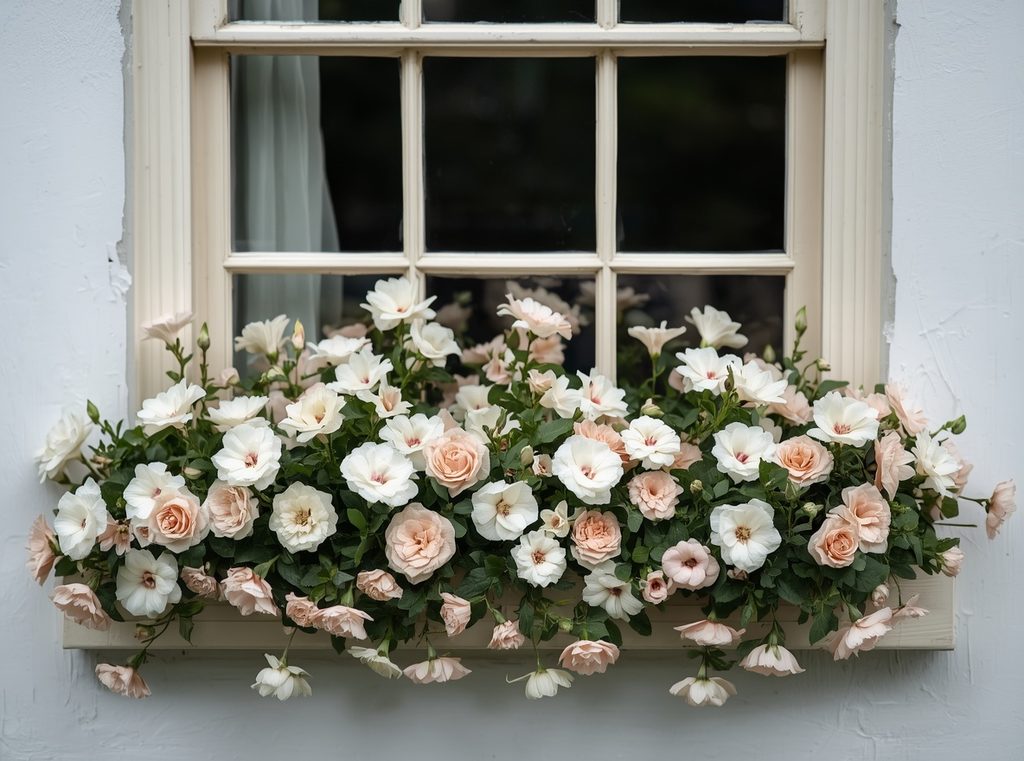
10. Use window boxes for instant colour
Window boxes can add a lot of impact without taking up any floor space. They are especially useful on balconies, porches and small patios where every inch matters.
Keep the planting simple with one or two repeating flowers rather than cramming in too many varieties. Repetition usually looks cleaner from a distance.
11. Add a small tree in a container
If your climate allows it, a dwarf olive, citrus tree, Japanese maple or other compact tree can make a container garden feel much more established.
The key is choosing a variety that is genuinely suited to container life and making sure the pot is large enough for the roots. In colder climates, you may also need to move it somewhere protected for winter.
12. Use pots to frame an entrance
Two large planters on either side of a front door can make even a very simple entrance feel finished.
You can keep them symmetrical if you like a cleaner look, or use slightly different plants in similar containers for something more relaxed.
13. Grow salad greens in shallow containers
Lettuce, arugula and other leafy greens do not need especially deep soil, which makes them perfect for wide shallow containers.
They also grow quickly, so you get a fairly fast reward for the effort. In hot weather, give them some afternoon shade to help keep them from bolting too quickly.
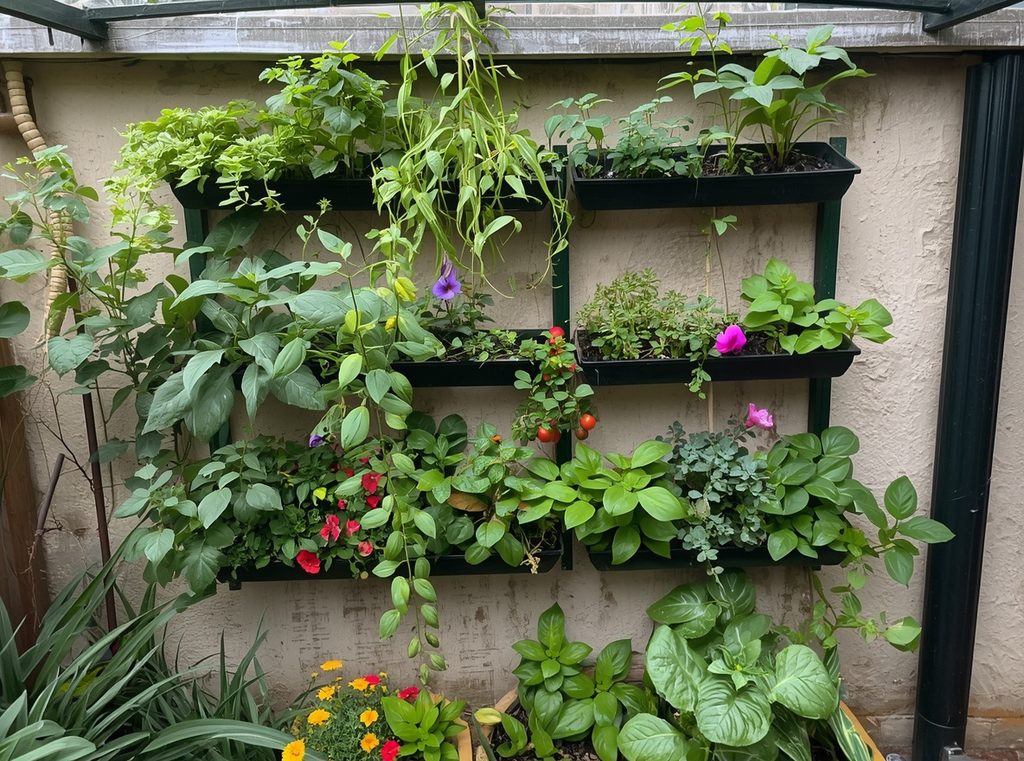
14. Use vertical planters
When floor space is limited, go up instead of out. Wall planters, stacked containers and vertical garden systems can hold a surprising number of plants without taking over the patio.
They are especially good for herbs, strawberries, succulents and smaller flowering plants.
15. Plant one type of flower in mass
Not every container needs a complicated mix. Sometimes one plant repeated heavily has much more impact.
A large pot filled entirely with white petunias, lavender or geraniums can look cleaner and more expensive than a busy mix of five unrelated plants.
16. Use edible flowers
Nasturtiums, pansies and calendula can all add colour while also being edible. They work beautifully in pots near herbs or vegetables and make a container garden feel a little less decorative and a little more useful.
Just make sure anything you plan to eat has not been treated with pesticides that are not intended for edible plants.
17. Layer pots on steps
Front steps and small stairways are perfect places to stagger containers at different heights.
Use larger pots on the lower steps and smaller ones higher up, leaving enough room to walk comfortably. A mix of foliage and flowers can make the whole entrance feel more welcoming.
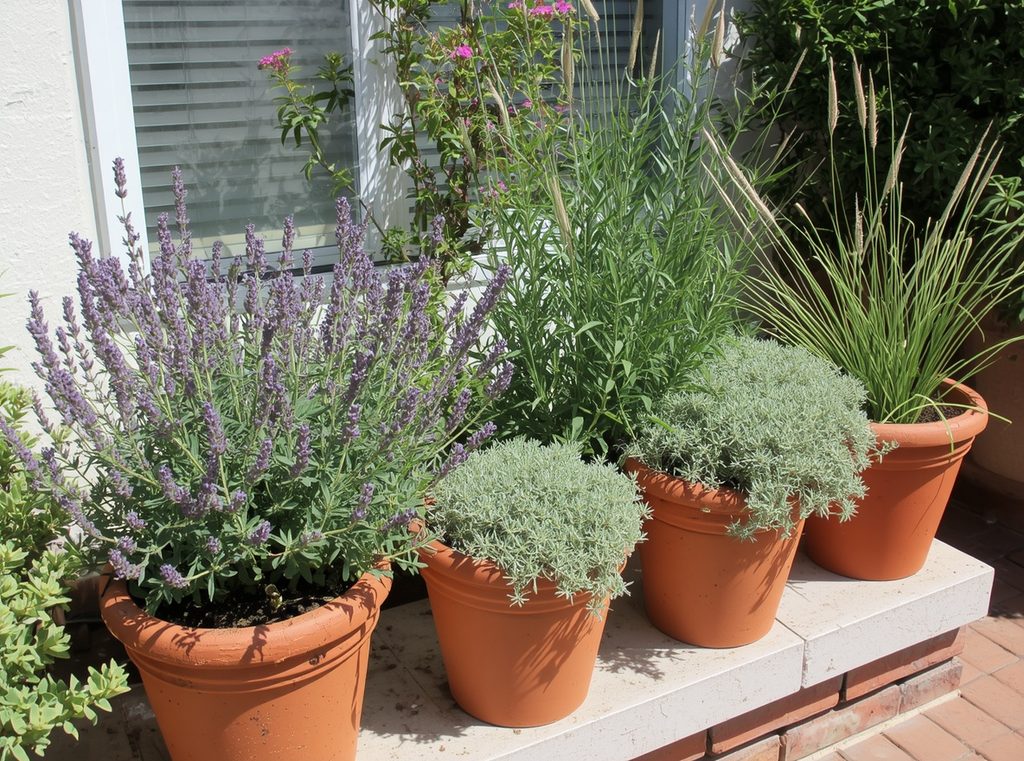
18. Choose drought-tolerant plants for sunny spots
If your containers bake in full sun, choose plants that can handle it. Lavender, sedum, rosemary, lantana and many ornamental grasses tolerate heat better than thirstier annuals.
Containers still dry out faster than garden beds, but starting with tougher plants gives you a little more room for error.
19. Use shade-loving plants on covered patios
Not every container garden needs full sun. Ferns, hostas, begonias and coleus can create beautiful combinations in shadier areas.
Leaf colour and texture become especially important when you are working with less light, so mix broad leaves, fine foliage and different shades of green.
20. Add a trellis to a large pot
A trellis turns one container into a vertical feature. Use it for climbing flowers, peas, beans or a compact vine suited to your climate.
This works especially well against a blank wall or privacy screen where you want greenery without sacrificing much floor space.
21. Grow blueberries in containers
Blueberries can do well in pots, especially if your garden soil is not naturally acidic enough for them.
Choose a large container, use acidic potting mix and make sure the variety is appropriate for your climate. Some varieties need a second plant nearby for the best fruit production, so check the label before buying.
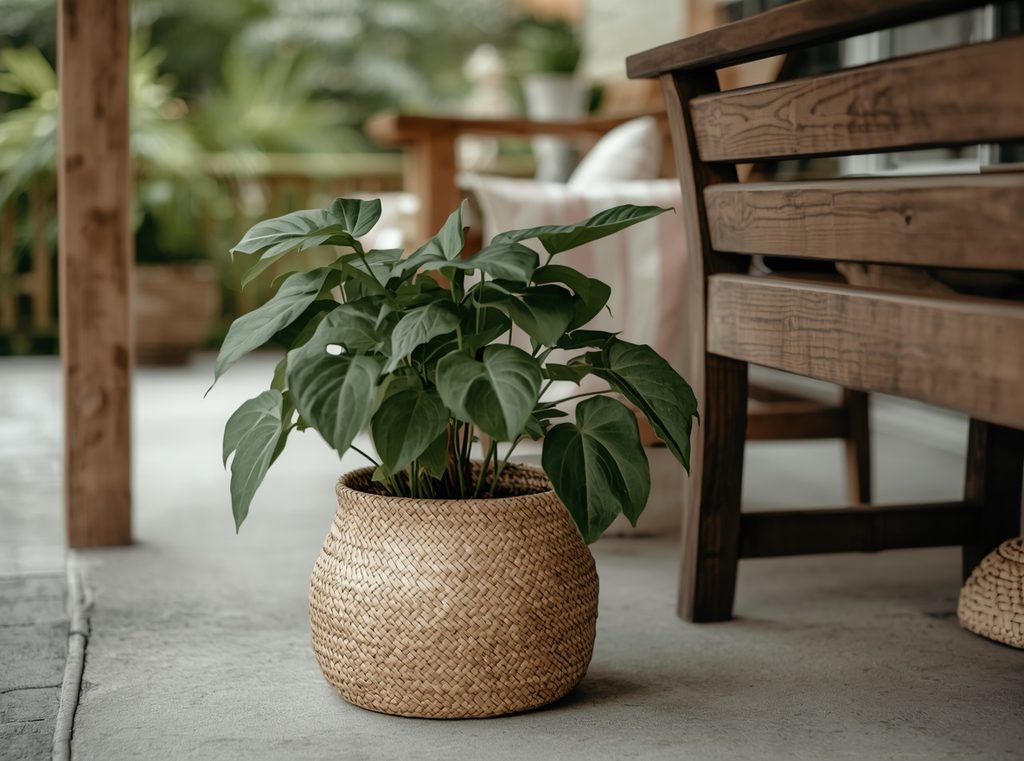
22. Use baskets as decorative pot covers
If you have an inexpensive plastic nursery pot that is perfectly functional but not especially nice to look at, hide it inside a woven basket or decorative outer container.
This works best in covered areas where the basket will not sit in constant rain. It is an easy way to upgrade the look without repotting everything.
23. Keep a simple colour palette
Container gardens can get visually busy very quickly because there are already so many shapes, pots and plants competing for attention.
Choosing two or three flower colours and repeating them throughout the space makes everything feel more connected. White, soft pink and green is an easy combination, but you could just as easily use yellow, purple and deep green.
24. Leave some empty space
More pots are not always better. A little breathing room between container groupings helps each one stand out and makes a small patio feel less crowded.
Choose a few strong groupings instead of lining every wall with plants. You want the space to feel lush, not impossible to walk through.
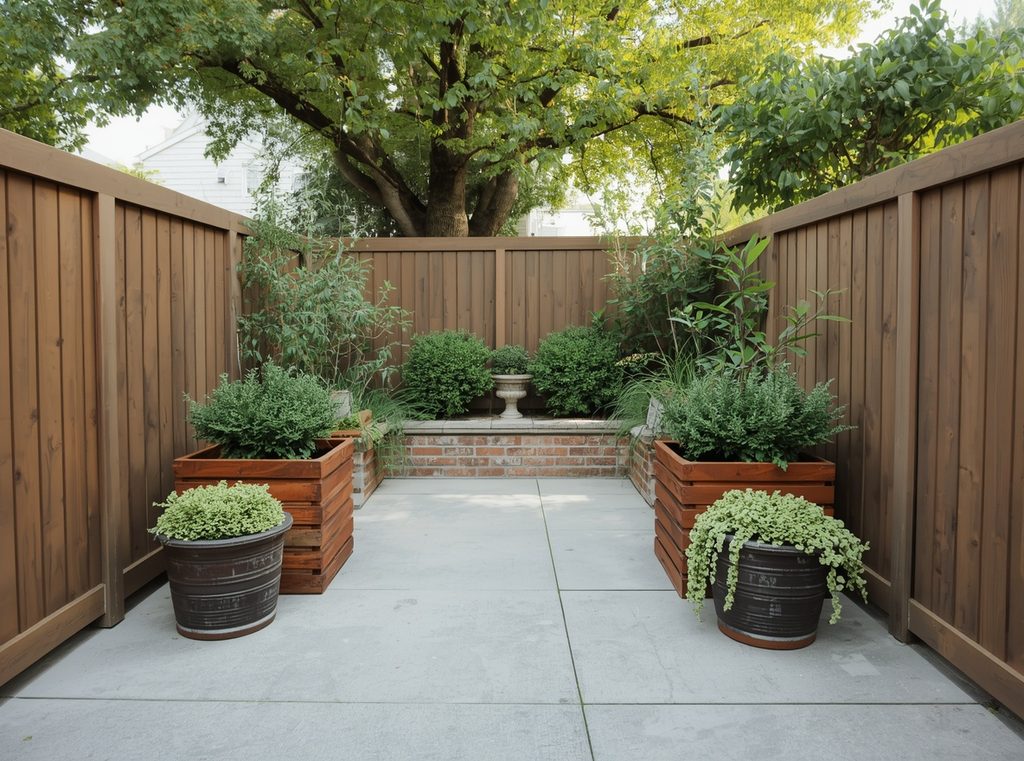
A simple container garden formula that almost always works
If you are starting from scratch, choose three containers in different sizes and keep the planting fairly simple. Put something tall and structural in the largest pot, something soft and flowering in the medium pot and a trailing or low-growing plant in the smallest one.
Keep the containers in the same general colour family, then repeat one plant or foliage colour across at least two of them. That small amount of repetition is usually enough to make the grouping feel intentional without looking overly coordinated.
If you are growing edibles, the same formula works. A tomato or rosemary plant can be your tall element, herbs or greens can fill the middle and strawberries or nasturtiums can trail over the edge.
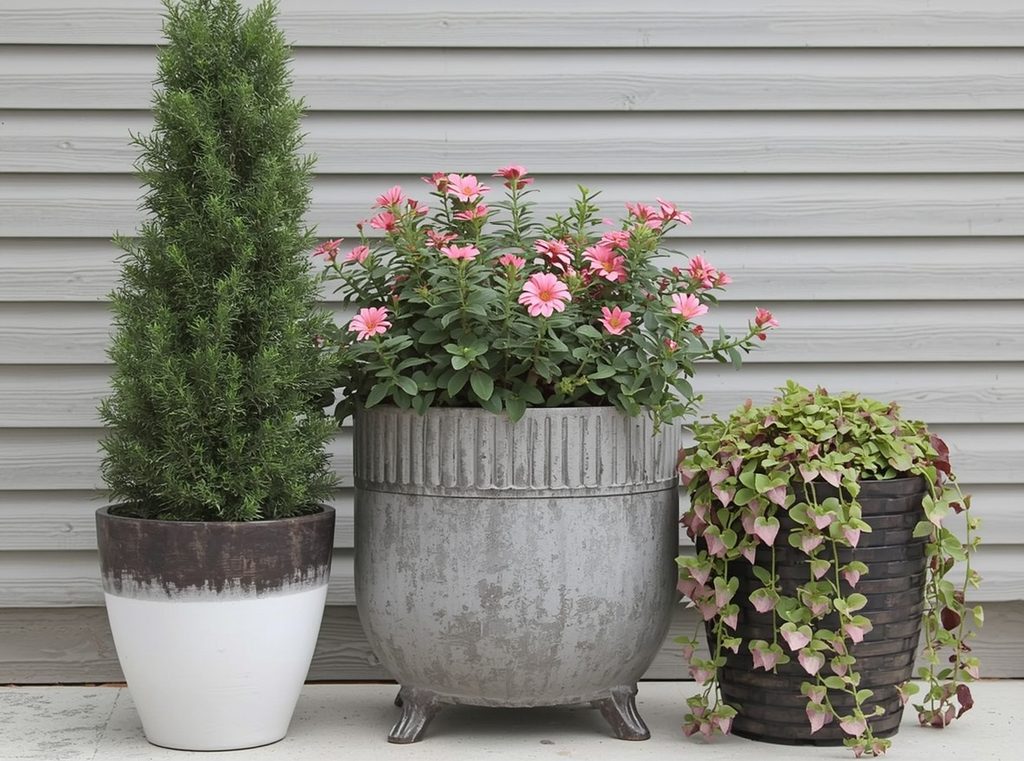
Think bigger, not busier
The biggest mistake with container gardening is assuming a small space needs lots of tiny pots. Usually the opposite looks better. A few larger containers with healthy, full plants create more impact and are often easier to water and maintain.
Start with the space you actually have, pay attention to the light and choose plants that suit those conditions. Once you have two or three strong containers in place, you may find you need much less than you thought.
A small patio or balcony can still feel like a garden. It just needs the right things growing in the right places.