
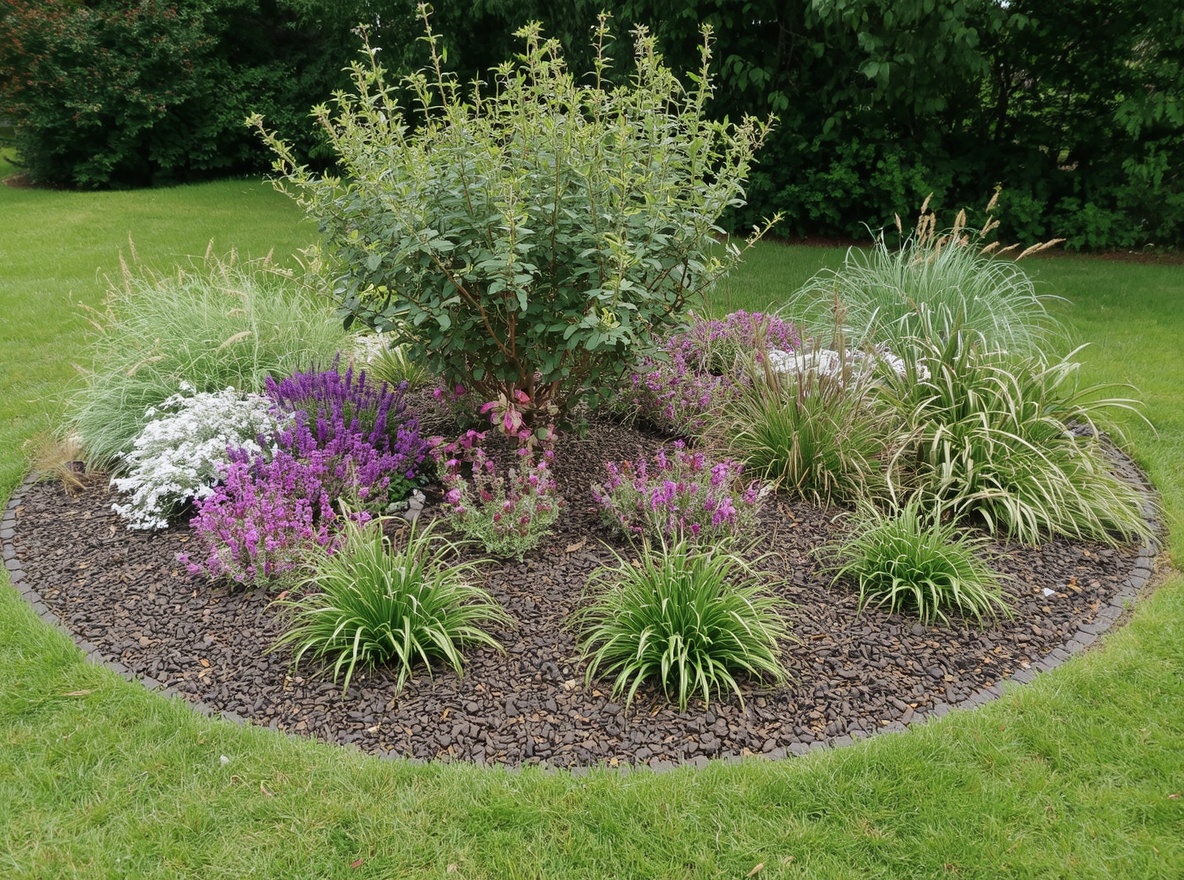
I love a beautiful garden. I do not love a garden that needs me to constantly remember to water, deadhead, prune, fertilize and generally keep it alive.
If you travel a lot, work long days or simply have better things to do than spend every weekend doing yard maintenance, the trick is not giving up on having a nice garden.
It is choosing plants and materials that can handle being ignored a little.
A low-maintenance garden can still feel lush, layered and completely intentional. You just want fewer thirsty plants, less bare soil and a lot less grass that needs mowing every five minutes in July.
Here are 15 ways to create a garden that looks good even when you are barely home to take care of it.
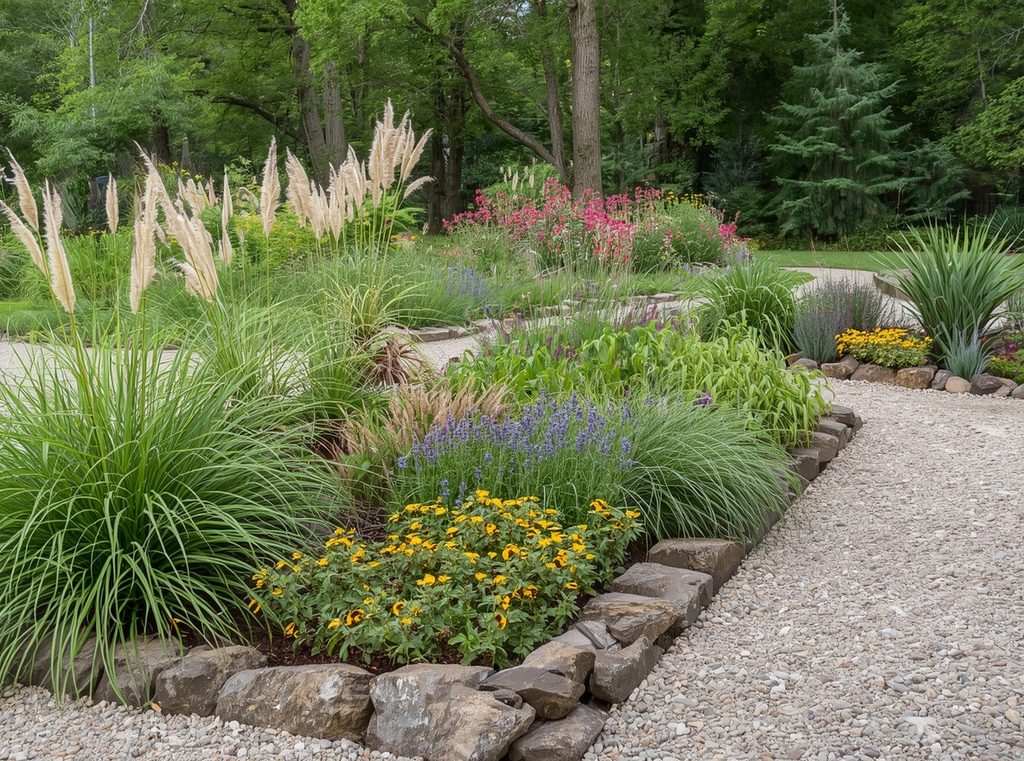
1. Plant perennials instead of starting over every spring
Annual flowers are beautiful, but buying and planting them year after year gets old pretty quickly.
Perennials come back on their own, which makes them the obvious choice if you want a garden that requires less work.
Look for hardy varieties suited to your climate and give them enough room to reach their mature size. That last part matters. Tiny plants spaced too closely might look better immediately, but they usually create more maintenance later.
Once established, good perennials can keep going for years with very little help from you.
2. Choose plants that actually like your conditions
This sounds obvious, but it might be the biggest difference between an easy garden and one that constantly needs rescuing.
Do not put a moisture-loving plant in a dry sunny corner and then commit yourself to watering it every afternoon.
Pay attention to how much sun the area gets, whether the soil stays wet or dries quickly and what naturally seems happy in your neighbourhood.
The right plant in the right place usually needs far less attention.
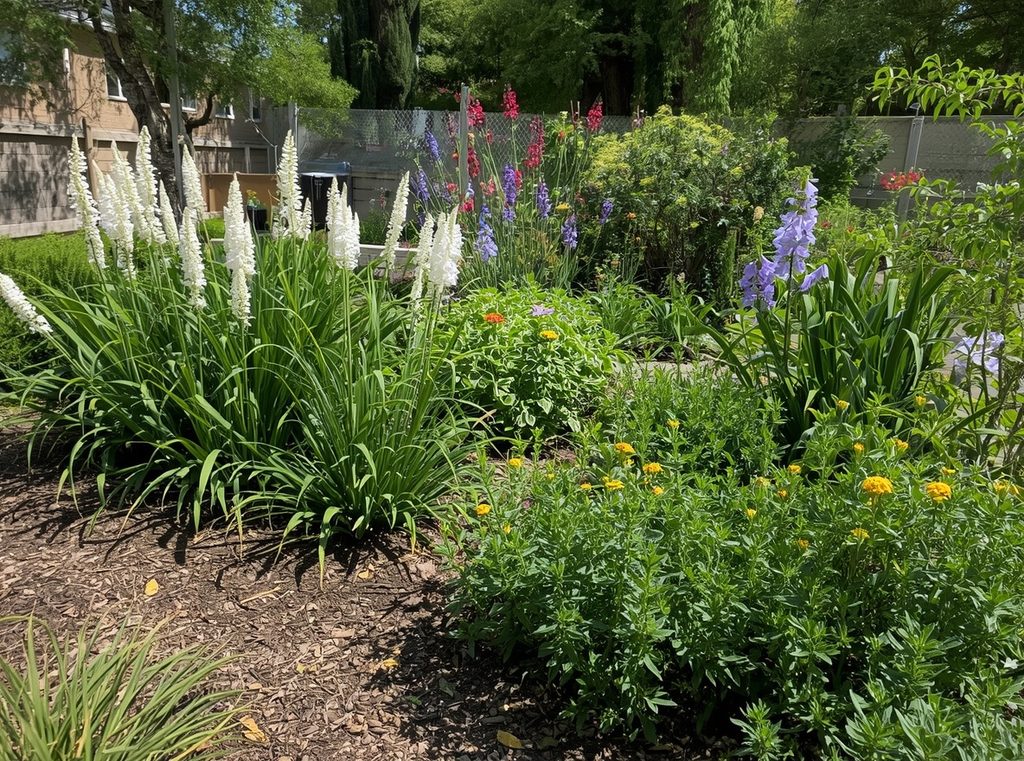
3. Plant in larger groups
Instead of buying one of everything at the garden centre, repeat the same plants in groups.
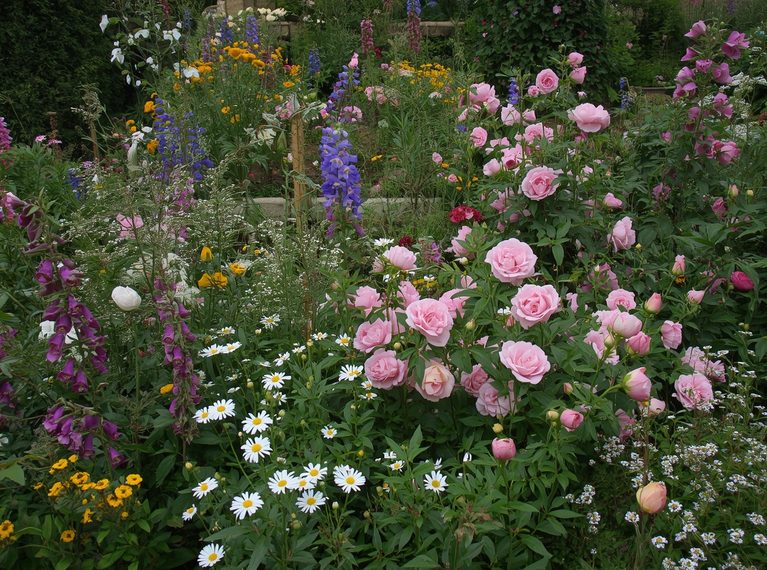
Three, five or seven of one variety will usually look more intentional than seven completely different plants dotted around a bed.
It also makes maintenance easier because the plants in each section have similar needs.
As a bonus, larger sweeps of the same plant tend to make a garden look calmer and more established.
4. Mulch generously
Mulch is not the most exciting garden purchase, but it does a lot of the work you do not want to do.
A good layer helps hold moisture in the soil, reduces weeds and keeps garden beds looking finished.
Organic mulches like shredded bark or wood chips will break down over time and improve the soil underneath too.
Just do not pile it against tree trunks and plant stems. Give them a little breathing room.
5. Add ornamental grasses
Ornamental grasses are one of my favourite ways to make a garden feel full without adding a lot of work.
They bring movement, texture and height, and many varieties are incredibly tolerant once established.
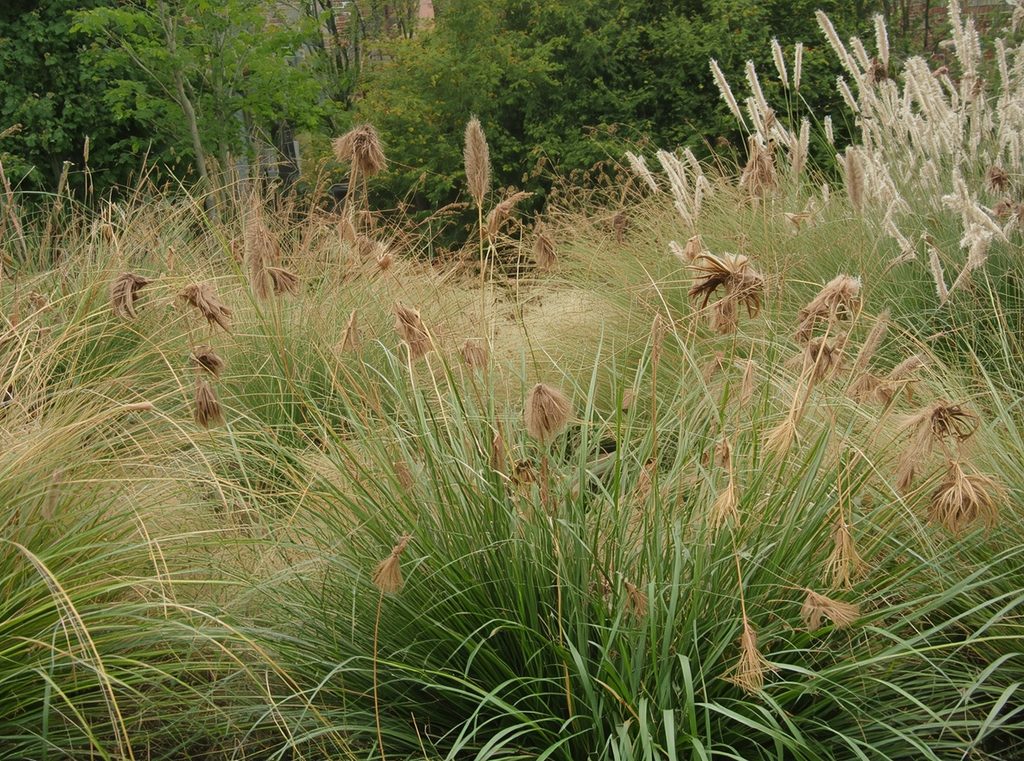
They also look good beyond summer. Leaving the dried grasses standing through fall and winter gives the garden some structure when almost everything else has disappeared.
Then you can cut them back once in early spring and basically leave them alone again.
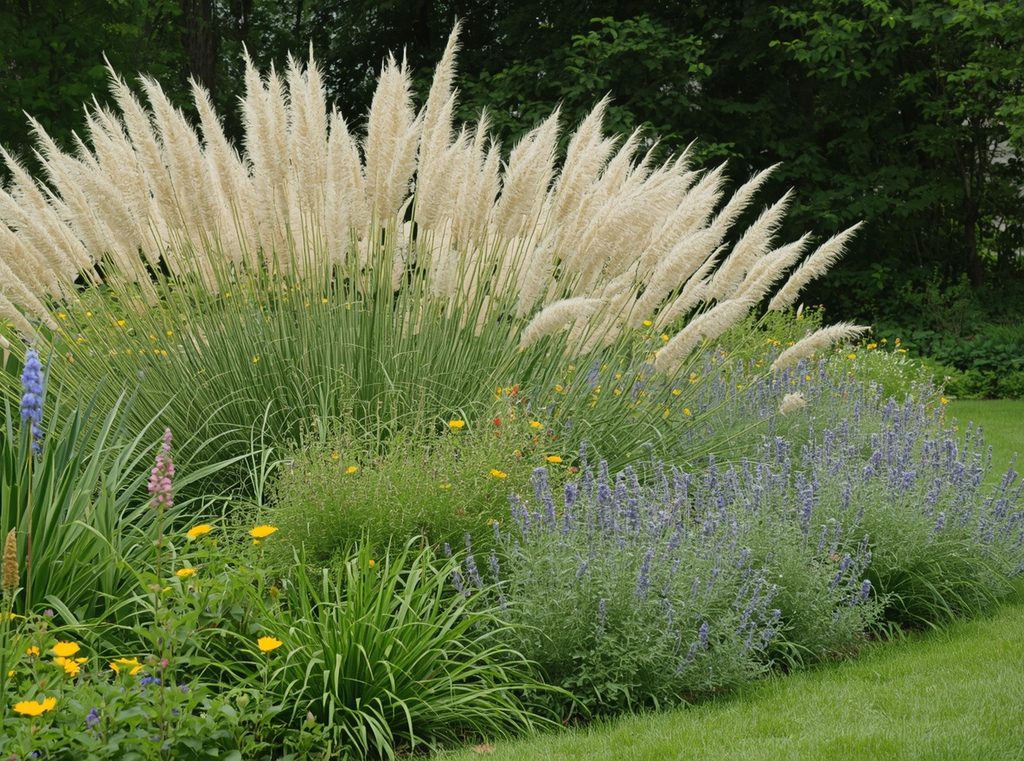
6. Replace some lawn with garden beds
Lawns are strangely high-maintenance for something that looks so simple.
They need mowing, watering, edging, feeding and occasionally convincing not to turn completely brown.
If you have areas of grass you never actually use, consider turning some of them into larger planting beds.
Once established and mulched, a perennial bed can require considerably less weekly maintenance than the lawn it replaced.
7. Use gravel where nothing wants to grow
There are some parts of a yard where trying to force plants to grow becomes a full-time hobby.
A narrow side yard, the area beside a shed or a hot dry strip next to the house might be better suited to gravel.
Add stepping stones, a few large pots or one tough plant and let the hardscaping do most of the work.
Not every inch of your property needs to be planted.
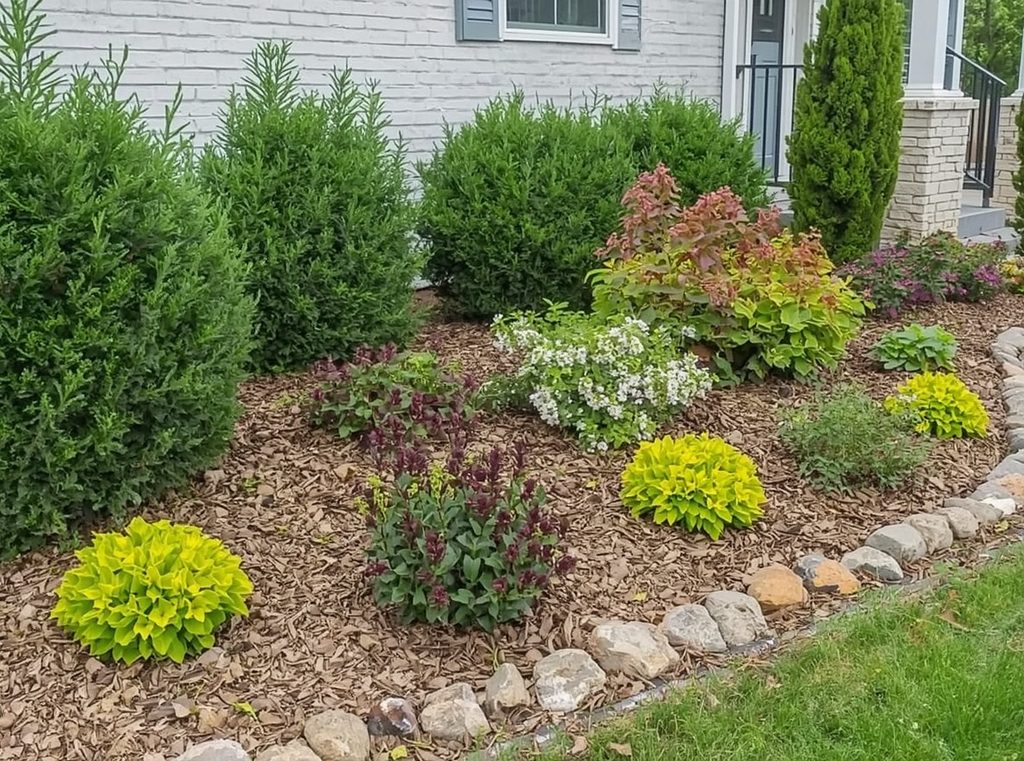
8. Choose shrubs for structure
Shrubs do a lot for a garden without demanding much in return.
They fill larger spaces, create privacy and give the garden structure even when smaller plants are not blooming.
Evergreens are especially useful if you want the garden to look finished all year.
Choose varieties that naturally stay around the size you need. Buying a shrub that wants to become twelve feet wide and then constantly pruning it down to four feet is not low maintenance.
9. Stop fighting every weed
A low-maintenance garden gets considerably easier once you stop expecting absolutely nothing except your chosen plants to grow.
Obviously, pull aggressive weeds before they take over.
But a little clover between stepping stones or something harmless popping up around the edge of a bed is not necessarily an emergency.
A slightly relaxed garden usually looks better anyway.
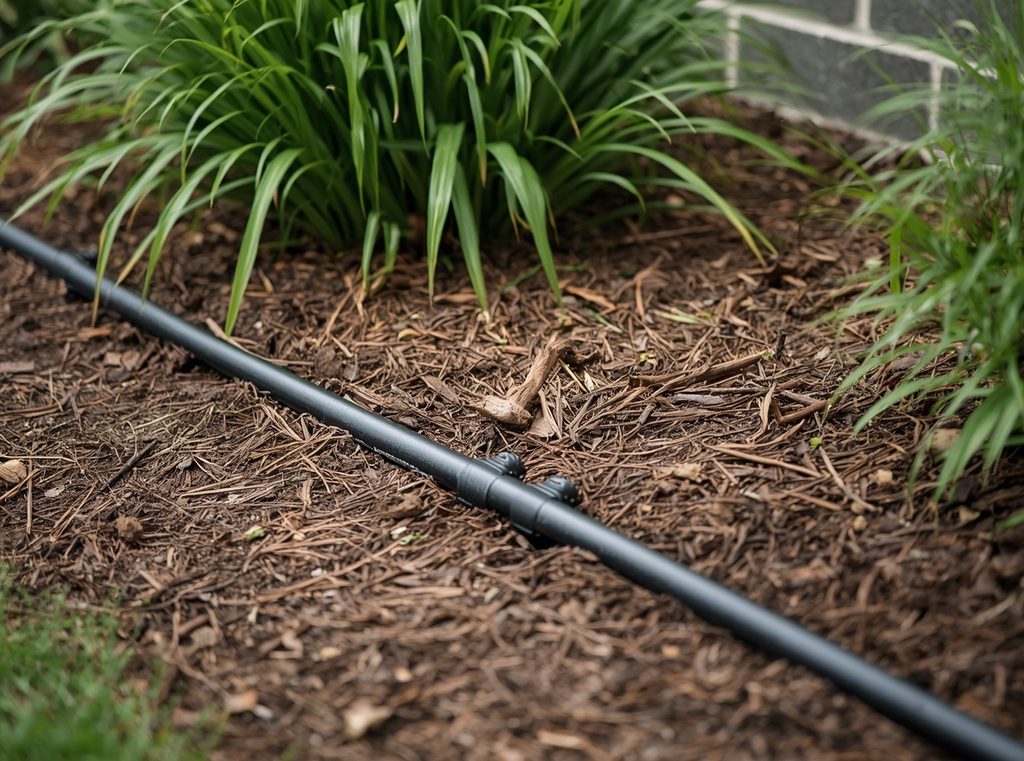
10. Install drip irrigation
If there is one upgrade worth making for a garden you regularly leave unattended, this is probably it.
Drip irrigation or soaker hoses deliver water directly around the roots instead of spraying the entire garden.
Connect the system to a timer and your plants can be watered automatically while you are at work, away for the weekend or completely forgetting that it has not rained in nine days.
It also tends to waste less water than standing outside with a hose.
11. Grow drought-tolerant plants
If your summers tend to be hot and dry, build the garden around plants that can handle it.
Lavender, sedum, salvia, yarrow, coneflower, catmint and many ornamental grasses are known for tolerating drier conditions once established.
Your exact choices will depend on where you live, so check your growing zone before planting.
The goal is to get past that first establishment period and have plants that can survive a forgotten watering without immediately giving up on life.
12. Use groundcovers to fill empty soil
Bare soil has a habit of turning into a weed garden.
Low-growing groundcover plants can eventually create a living carpet that fills gaps between larger plants and leaves fewer places for weeds to move in.
Look for varieties appropriate for your climate and growing conditions, and check how aggressively they spread before planting.
You want something that fills space, not something you will spend the next decade trying to remove.
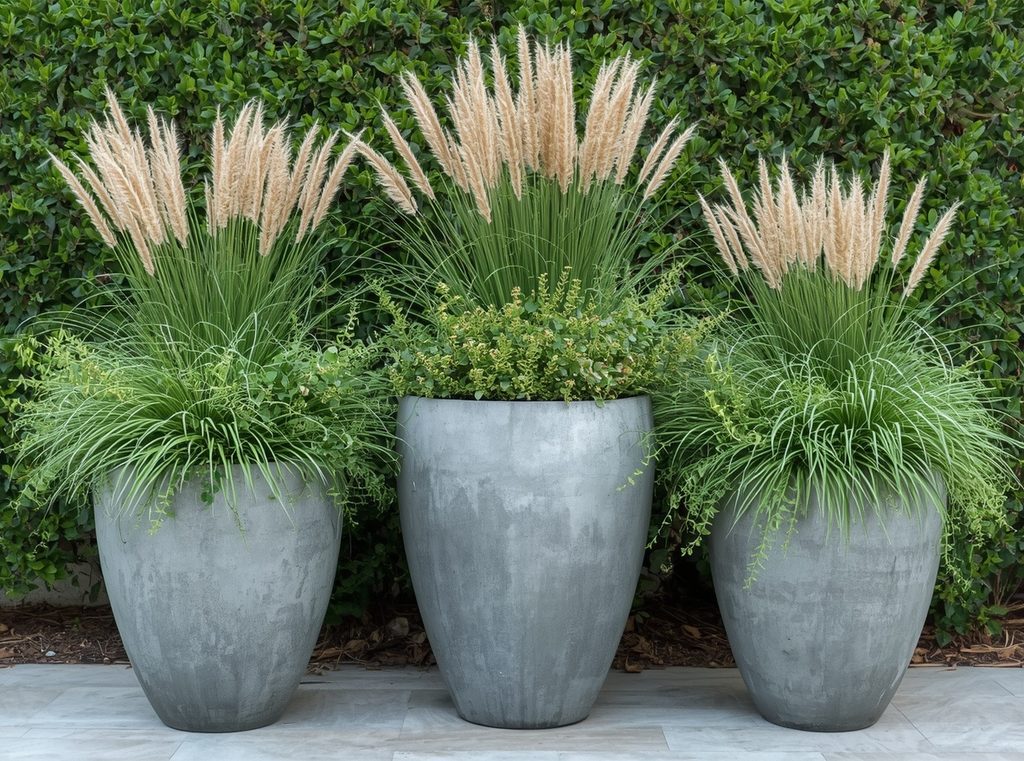
13. Keep containers big and few
Containers can actually be one of the highest-maintenance parts of a garden because they dry out much faster than plants in the ground.
If you love pots, go bigger.
A few large containers hold moisture longer and make more visual impact than a collection of tiny pots that all need watering separately.
Fill them with hardy plants and place them together so watering takes about thirty seconds instead of becoming a tour of your entire property.
14. Let fallen leaves help you
You do not have to remove every leaf that lands in a garden bed.
Leaves naturally break down and add organic matter back into the soil.
A thick wet pile can smother smaller plants, so there is still some judgment involved. But shredded leaves tucked around established plants can act almost like free mulch.
Sometimes doing less really is the better garden strategy.
15. Make peace with a garden that changes
The lowest-maintenance gardens are rarely the ones that look exactly the same every week of the year.
Plants grow. Flowers fade. Grasses dry. Leaves fall.
Instead of constantly cutting everything back the minute it stops blooming, let some plants move through their natural cycle.
Dried seed heads and grasses can look beautiful through fall and winter, and they provide food and shelter for wildlife too.
You also get to postpone most of the cleanup until spring.
A simple low-maintenance garden plan
If you are starting from scratch, keep the plan much simpler than you think it needs to be.
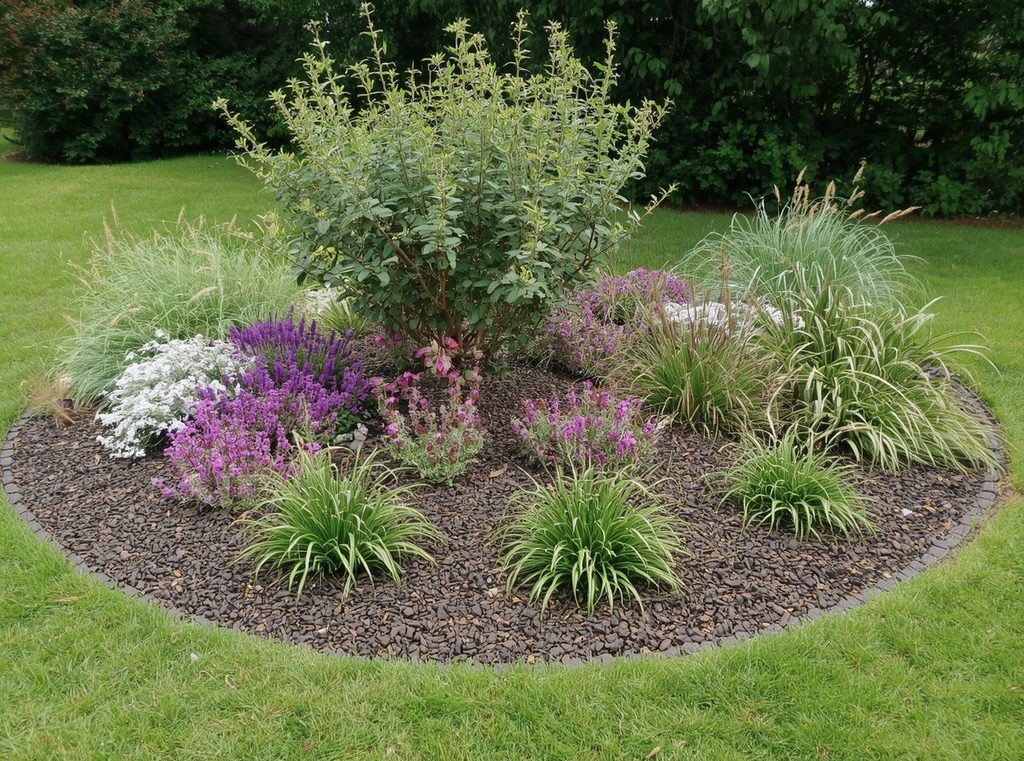
For one average garden bed, I would choose one evergreen or flowering shrub for structure, two or three varieties of hardy perennials repeated in groups, one ornamental grass and a groundcover to eventually fill some of the gaps.
Then add a thick layer of mulch and, if the area needs regular watering, a basic drip line on a timer.
That gives you different heights, texture, greenery and seasonal flowers without creating a garden full of twenty-seven different plants with twenty-seven different needs.
The first year will still require some attention. New plants need regular watering while their roots establish, no matter how drought tolerant they will eventually become.
But after that, the goal is a garden that gets easier rather than harder.
Build a garden for the life you actually have
There is no prize for owning the most demanding garden on the street.
If you are barely home, choose plants that can handle that. Automate the watering. Mulch the beds. Plant fewer varieties in bigger groups and leave a little room for things to be imperfect.
Your garden can still be beautiful without becoming another job waiting for you every time you walk outside.
That is probably a much nicer way to enjoy it anyway.