
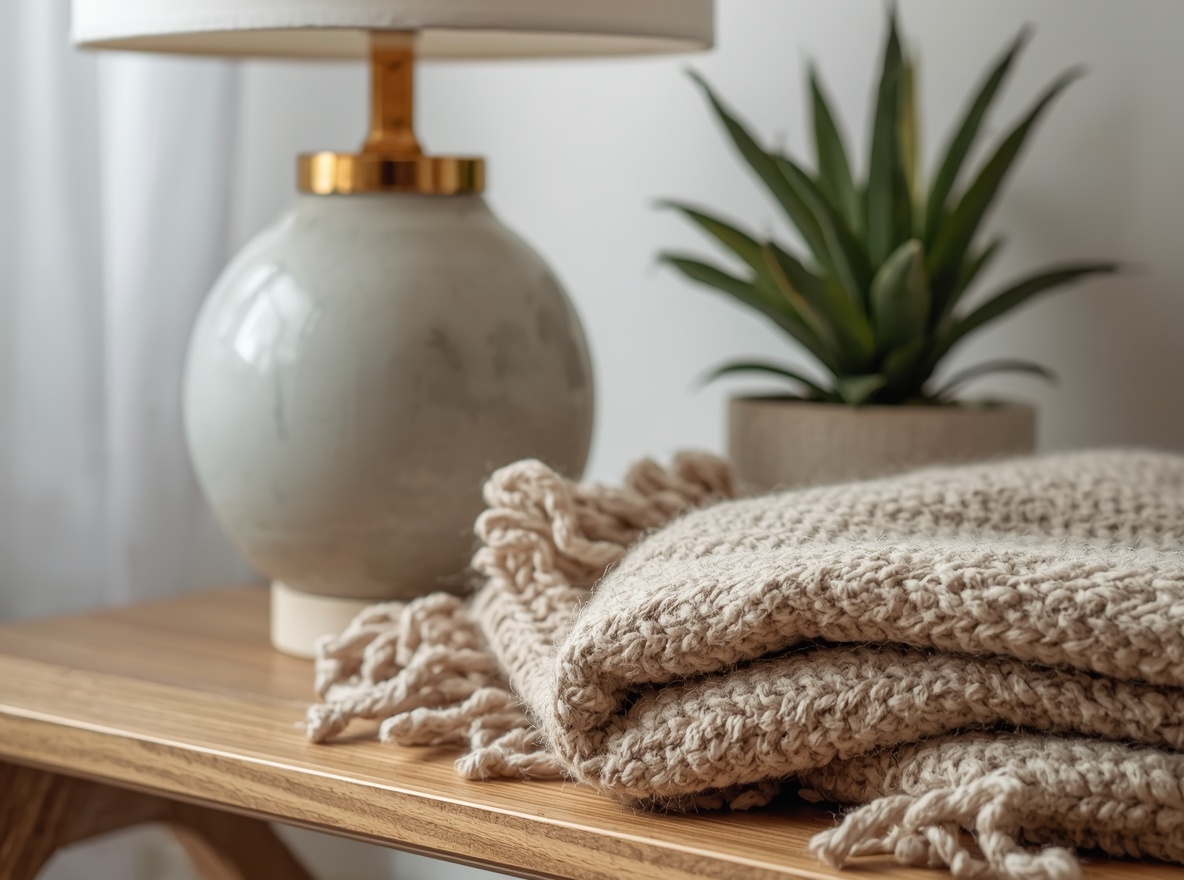
Cozy comes from light, texture, and warmth, not from more objects. We spent a full year buying things to make our first flat feel cozier, and it worked for about a week each time before the room just felt fuller. Here are fourteen ways to get an actually cozy home, and none of them involve a trip to the shops.
Cozy is a feeling, not an amount of stuff
Most of us learned to associate cozy with quantity: more cushions, more throws, more little baskets of pinecones. It photographs well for about a day, then it starts to look like clutter with good intentions.
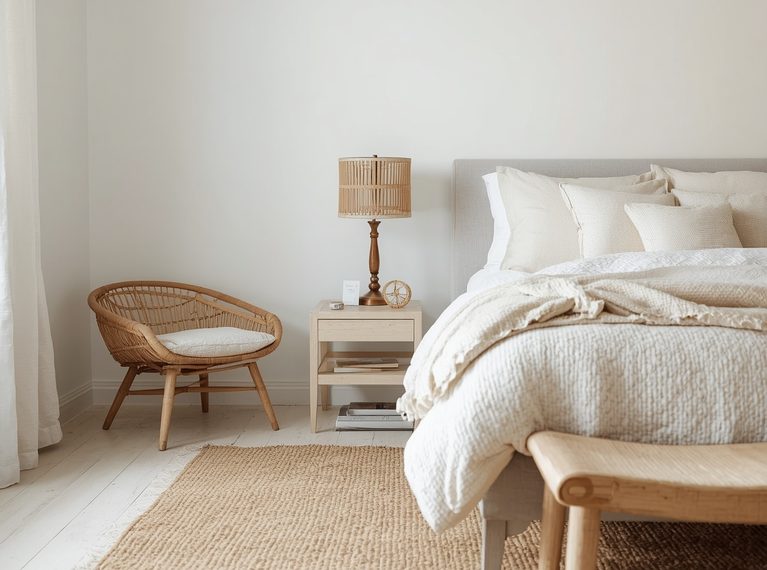
Cozy is actually a mix of three things: warm, low, layered light, soft textures your hand wants to touch, and a room with enough breathing space that your eyes can rest somewhere plain. You can have all three in a nearly empty room. You can have none of them in a very full one.
Light does most of the work
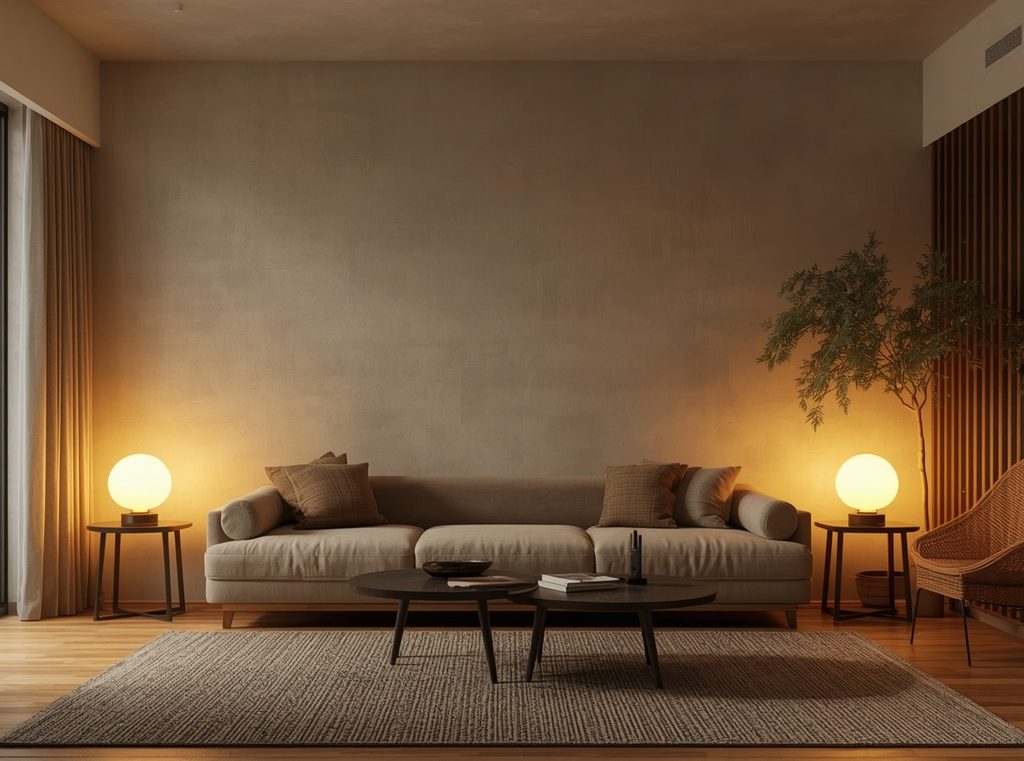
If you only change one thing in this whole guide, change your lighting. A single bright overhead bulb reads as a waiting room no matter what furniture sits underneath it. Warm, low light reads as a home within about ten seconds of walking in.
Swap your bulbs for warm white (look for 2700K on the packaging, not daylight or cool white) and add at least two lamps at seating height in every room you spend real time in. Turn the overhead light off in the evening and use lamps only. It is the cheapest, fastest change on this entire list.
Texture is the second lever
After light, the next biggest shift is texture you can feel with your eyes: wood grain, nubby wool, worn leather, linen with visible creases. Smooth, matched, uniform surfaces read as showroom. Mixed, slightly imperfect textures read as lived in.
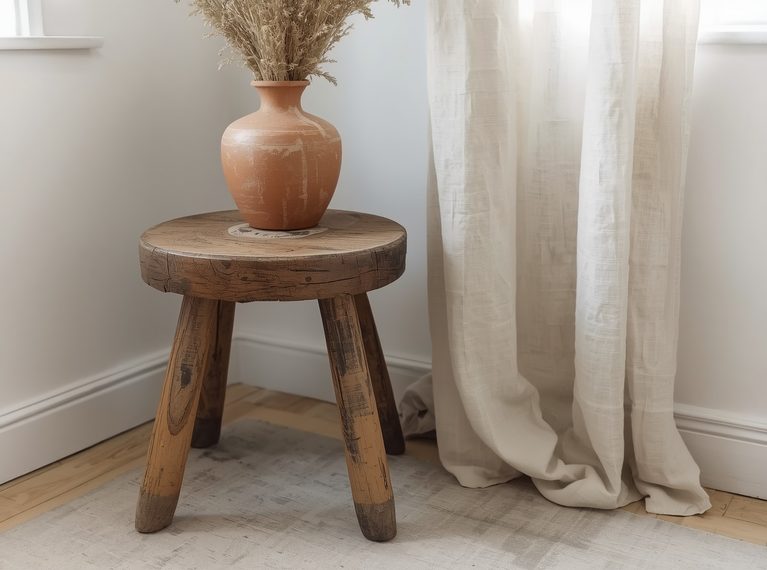
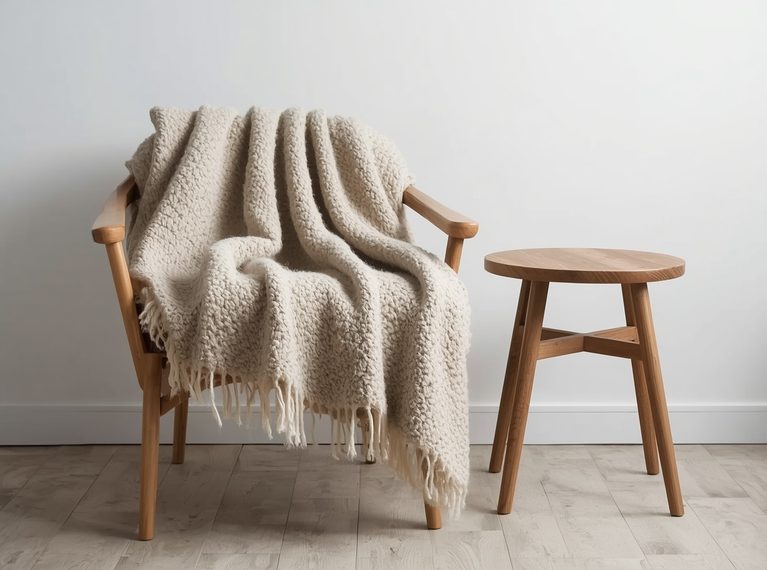
You don’t need to buy anything new here either. Swap a smooth cushion cover for a knit one you already own, push a wooden stool somewhere it can be seen instead of tucked under a table, or drape a real wool blanket over the arm of a sofa instead of folding it away in a cupboard.
14 ideas for a cozy, uncluttered home
Small, specific changes beat one big shopping trip. Pick five from this list and give them a week before you add more.
1. Layer three light sources per room
One ceiling light, one lamp, and one small accent light (a candle, a string of warm fairy lights, a salt lamp) gives a room depth that one bright source never can.
2. Bring the ceiling down with a rug
A rug under your main seating area, even a small one, visually lowers a room and makes it feel held. Bare floor under a sofa is one of the fastest ways to make a room feel cold and unfinished.
3. Fold, don’t fold away
One good throw blanket, visibly folded over the back of a chair, does more for a room than three blankets hidden in a basket. Cozy needs to be seen, not just owned.
4. Use dimmers or smart bulbs
A single lamp can be reading-bright or dinner-party-low with the same bulb. This is a small investment that changes the mood of a room more than almost anything else on this list.
5. Bring in one living plant per main room
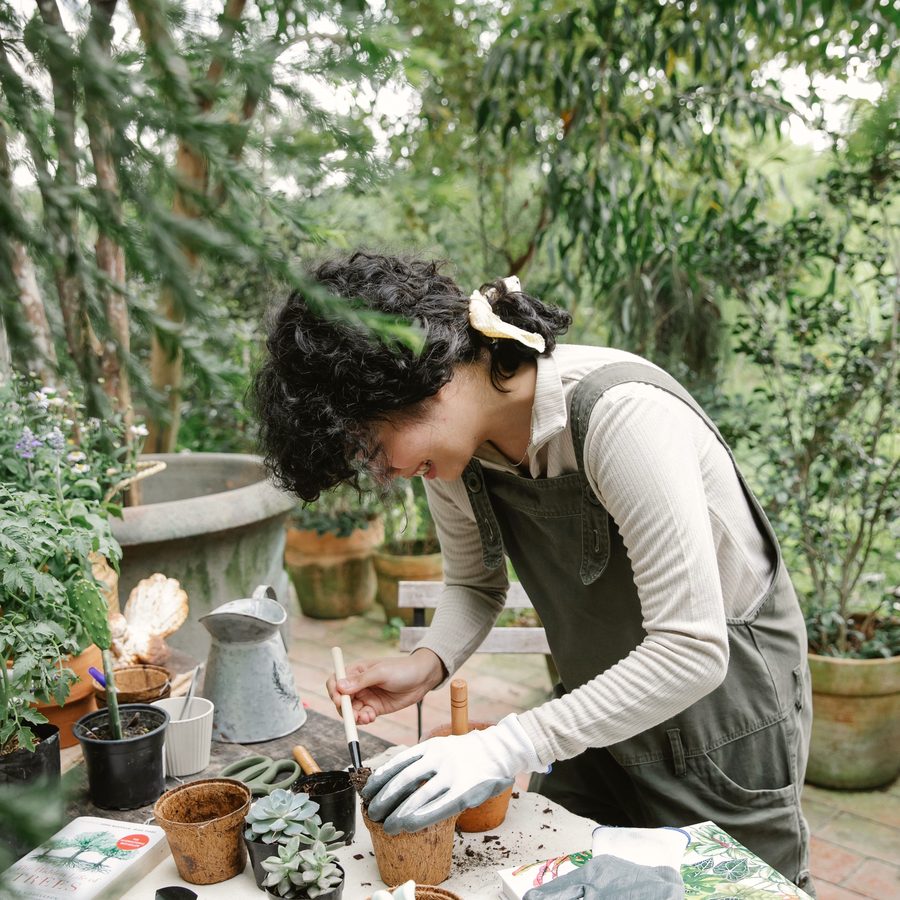
A plant softens hard corners and adds the kind of texture a cushion never will. If you’re new to keeping things alive, our beginner’s guide to gardening covers the same light-reading skill that keeps houseplants happy, not just garden beds.
6. Choose warm, dark wood over cool, pale wood where you can
Not a rule you need to follow completely, but warm-toned wood (oak, walnut, reclaimed pine) reads as cozier than pale, cool-toned wood (ash, birch, white oak). If you’re buying new furniture, this is worth knowing before you order.
7. Close curtains before it’s fully dark
A black window at night reads as cold and exposed, no matter how nice the room is. Closing curtains half an hour before dark keeps the warmth of the room contained instead of leaking out into a dark pane of glass.
8. Keep one surface completely empty
A coffee table, a console, a windowsill: pick one and keep it clear. Full rooms need at least one place for the eye to rest, or nothing in the room gets to stand out.
9. Add scent, quietly
One candle or a simple reed diffuser does more for how ‘homey’ a room feels than most decor. Keep it to one scent per room and don’t overdo it. This is meant to be background, not a statement.
10. Swap hard seating for one soft place to land
Every room benefits from one deliberately soft spot: an armchair, a floor cushion, a window seat with a cushion on it. It gives a room a place that invites you to actually stay in it.
11. Use natural materials over plastic and glossy finishes
Wicker, rattan, linen, unglazed ceramic, and raw wood all absorb and soften light. Glossy plastic and high-shine finishes bounce it back sharply, which reads as cold even in a warm-lit room.
12. Let a few things be visibly used
A stack of real books with worn spines, a well-used wooden spoon left out on the counter, a blanket with a slight crease from actually being used yesterday. Perfectly staged rooms feel like nobody lives there. Slightly used ones feel like somebody does.
13. Bring outside textures in
A bowl of pinecones, a jar of dried seed heads, a single branch in a plain vase. These cost nothing, change with the seasons, and add texture without adding permanent stuff to store.
14. Edit before you add
Before buying anything new for a room, remove three things from it first. Cozy has a ceiling. Past a certain point, every new object makes a room feel fuller, not warmer.
The one-in-one-out habit
This is the single habit that keeps a cozy home from sliding back into a cluttered one. When something new comes into a room, something else leaves it: donated, moved to storage, or binned if it’s genuinely past its use. It takes about ten seconds and it’s the difference between a home that accumulates and one that stays easy to live in.
It works because it forces a small decision at the exact moment you’re excited about a new thing, which is when you’re least likely to notice you’re adding to a pile rather than replacing something in it.
Mistakes to avoid
- Buying decor before fixing the lighting. Better lighting makes existing furniture look intentional. New decor under bad lighting still looks like a waiting room.
- Matching everything too closely. A room where every wood tone and every fabric matches exactly reads as a showroom, not a home. Some mismatch is what makes a room feel collected rather than purchased.
- Confusing ‘more’ with ‘cozy’. Past a certain point, every extra cushion and extra throw makes a room feel smaller and more cluttered, not warmer.
- Skipping the empty surface. A room with no visual resting point feels busy even when it’s objectively tidy.
- Buying for the room you wish you had. Cozy only works with how you actually live in a space, not how it looks in a photo. A reading chair nobody sits in isn’t cozy, it’s furniture.
Room by room
The same four levers (light, texture, one soft place to land, one empty surface) apply everywhere, but here’s how we’d prioritise them by room.
- Living room: start with lamps and a rug. These two changes alone do more than any other item on this list.
- Bedroom: prioritise the throw blanket and warm bulbs over the bed. A bedroom under cool white light never feels restful, no matter the linens.
- Kitchen: a single warm pendant or under-cabinet light over where you actually cook, plus one visibly used wooden board or bowl left out.
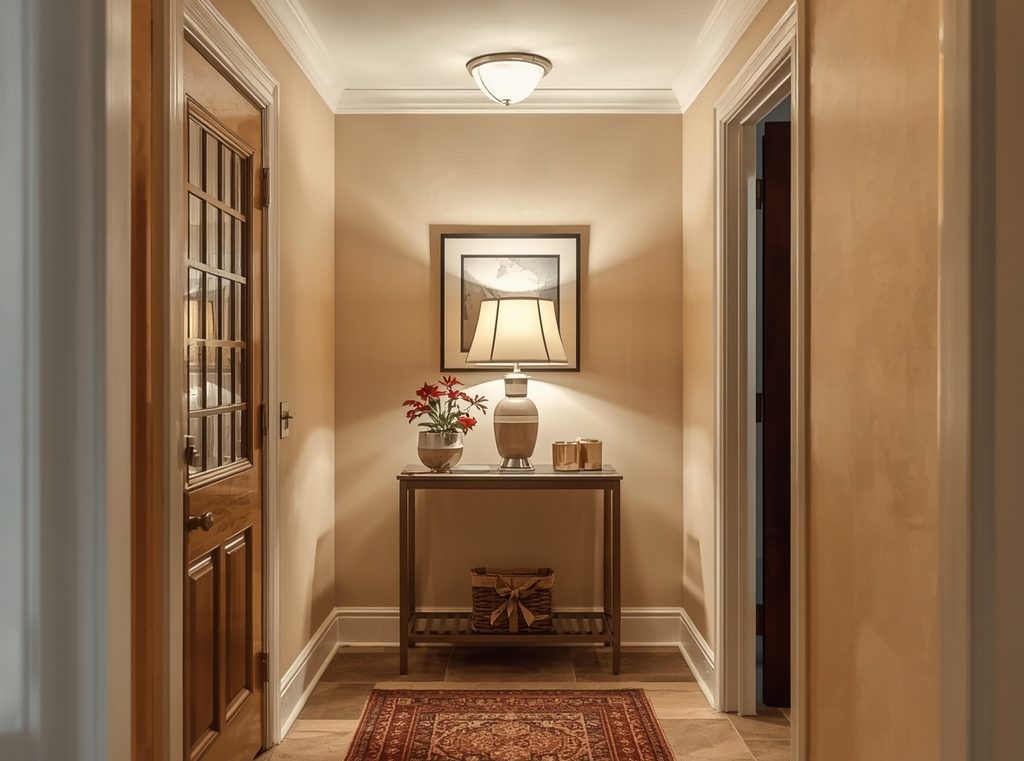
- Entryway: a small lamp on a timer, so the first thing you see coming home is warm light rather than a dark hallway and an overhead switch.
None of this needs to happen in one weekend, and it shouldn’t. Pick the one or two changes that matter most in the room you spend the most time in, live with them for a week, then decide what’s next. That slower, one-room-at-a-time approach is really the whole idea behind slow living, and it applies just as well to decorating as it does to anything else. For more ideas along these lines, the rest of our home guides cover warm neutral bedrooms, small-space layouts, and the natural materials worth building a room around.