

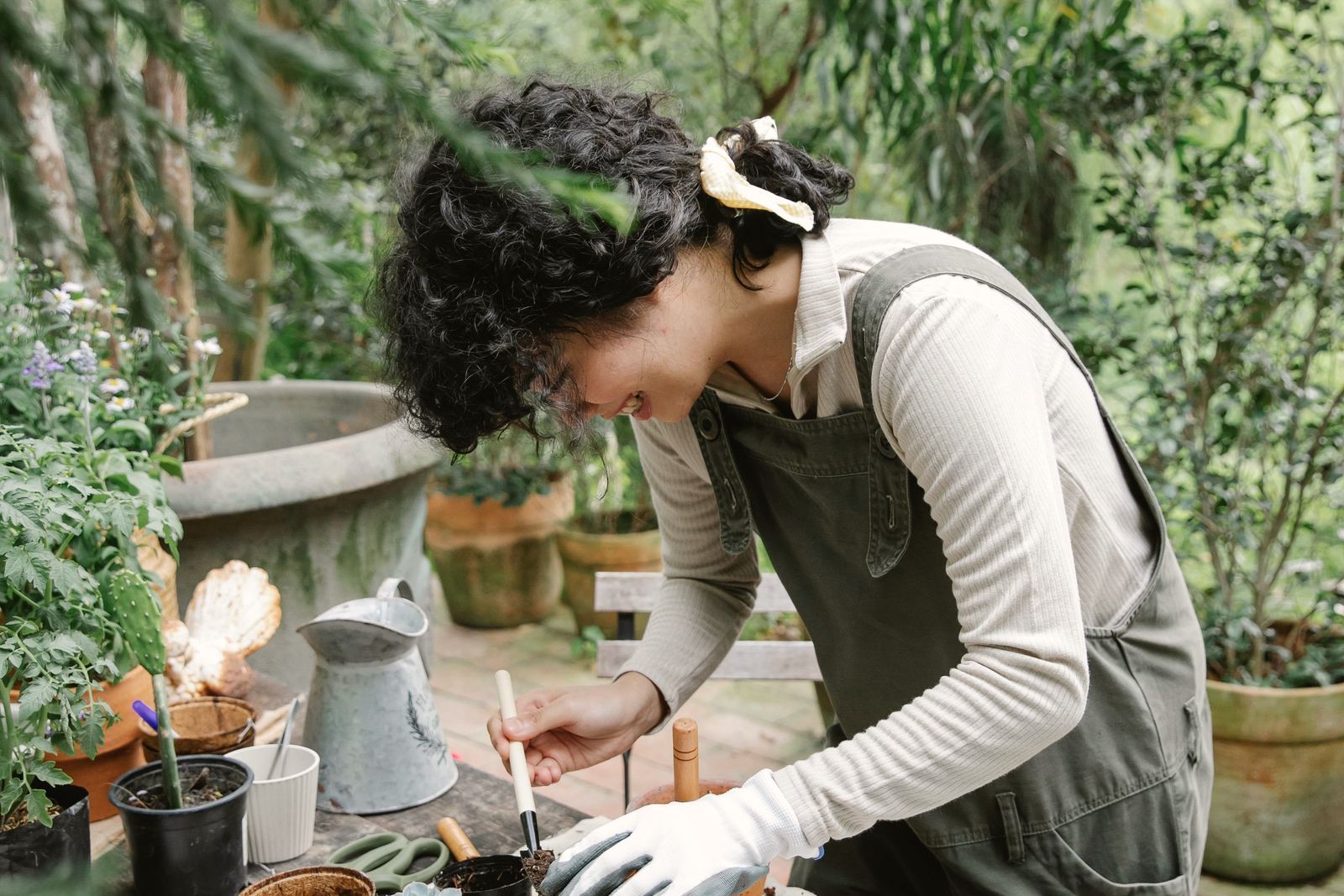
Forget the twelve-page soil guide. Here’s what to do in your first year, in the order you should do it — the plan we wish someone had handed us before we spent a Saturday burying forty pounds of plants in the one sunny corner of a very unimpressed yard.
Start with one bed, not the whole yard
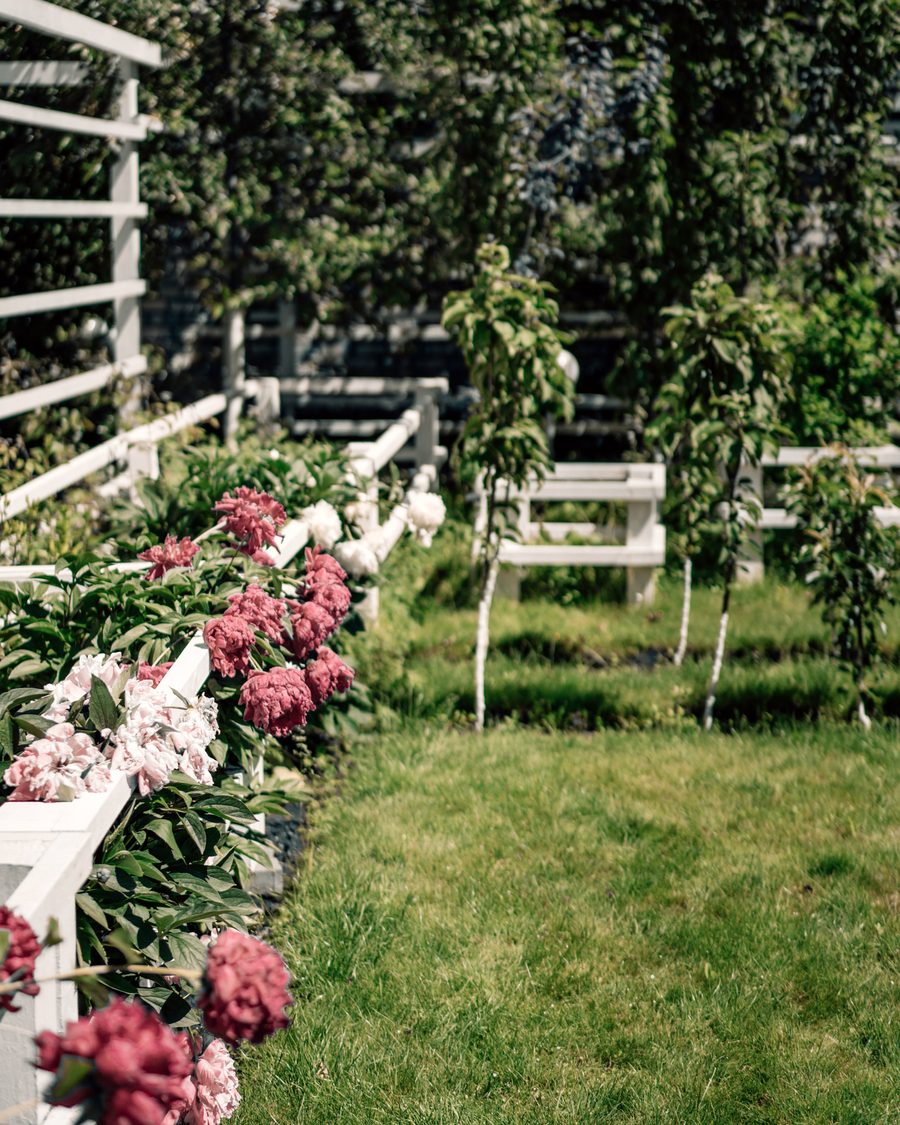
The single biggest reason people quit gardening in year one isn’t a lack of green thumb — it’s scope. A whole yard is a hundred small jobs wearing the costume of one big one, and it will beat you before June.
Pick one bed. Four feet by four feet is plenty, or three matching containers on a patio if you don’t have soil to work with. Mark the edges with string or a line of bricks so the boundary is real, not aspirational. Everything else in the yard can wait — it will still be there next year, and by then you’ll actually know what you’re doing.
Learn your light before you buy anything
Every plant tag says something like ‘full sun’ or ‘part shade’, and almost nobody checks whether their own yard matches before buying. Full sun means six or more hours of direct light. Part sun or part shade means three to six. Full shade means under three, and rules out most of what you’ll find at a garden centre.
Spend one day watching your chosen bed. Check it in the morning, at midday, and again in the late afternoon, and jot down roughly how many hours it’s in direct sun. This costs nothing and will save you more money than any tool on this list — it’s the single fact that decides what will actually grow.
Soil is the whole game
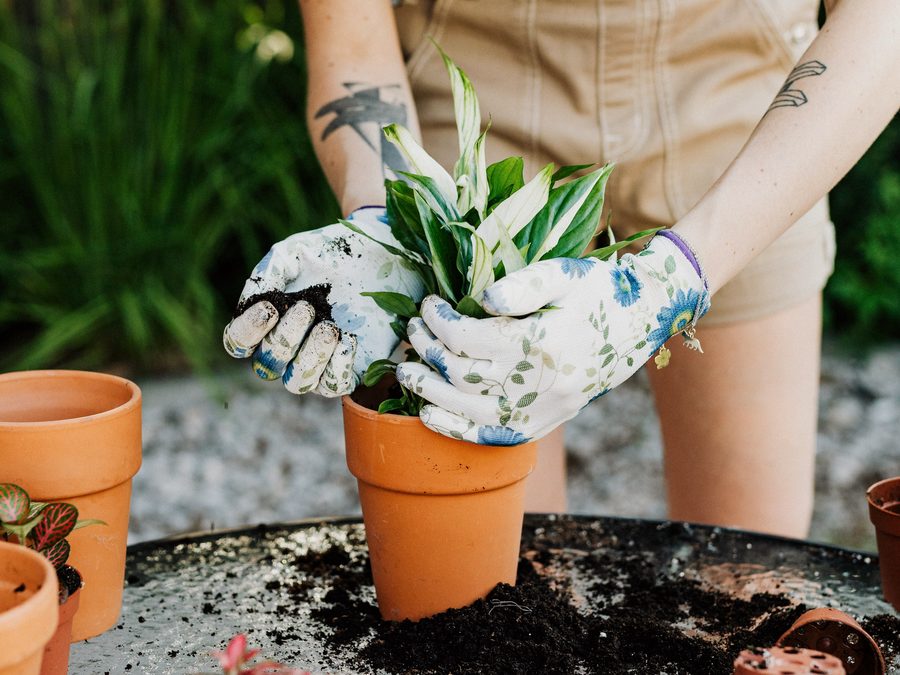
We learned this one the hard way: our first bed was compacted clay that had clearly not been touched in a decade, and no amount of careful watering was going to fix that on its own.
You don’t need a lab test in year one. Grab a handful of damp soil and squeeze it. If it holds a tight ball and won’t crumble, you’ve got heavy clay. If it falls apart the second you open your hand, it’s sandy and drains too fast. Either way, the fix is the same: work two to three inches of compost into the top six inches of soil before you plant anything. It’s unglamorous and it matters more than every other decision on this page combined.
What to plant in your first season
Choose plants that forgive you, not plants that impress your neighbours. Nasturtiums and zinnias grow from seed in days, flower for months, and genuinely seem to thrive on neglect. Cherry tomatoes are far easier than the beefsteak kind, and one plant will outproduce what a beginner household can eat. Mint is wonderful and should live in its own pot forever, or it will quietly annex your entire bed by August.
As a rule: direct-sow anything that dislikes being moved (most root vegetables, beans, nasturtiums), and buy young transplants for anything slow to germinate or fussy as a seedling (tomatoes, peppers, most flowering annuals). Mixing both in your first bed is the fastest way to learn which method you actually enjoy.
A gentle first-90-days plan
You don’t need a calendar full of dates — seasons shift by region and the plants don’t care what month it technically is. What matters is the order.
- Weeks 1–2: Mark your bed, check the light, and work compost into the soil. Don’t plant yet — this stage is all preparation.
- Weeks 3–4: Direct-sow the forgiving stuff (nasturtiums, zinnias, beans) and set out two or three easy transplants (a tomato, some herbs).
- Weeks 5–8: Water deeply twice a week rather than lightly every day — it trains roots to grow down, not sideways. Pull weeds while they’re small; it takes a fraction of the effort.
- Weeks 9–12: Start noticing what’s thriving and what isn’t. Write it down. This one note is the most useful gardening document you’ll ever own, because next year you’ll actually remember what worked.
Mistakes to avoid in year one
Almost every beginner who gives up does so for one of the same five reasons. Knowing them in advance is most of the battle.
- Planting the whole budget on day one. Buy a third of what you want, see what survives your particular yard, then buy more of what worked.
- Watering on a schedule instead of by feel. Stick a finger two inches into the soil. If it’s dry, water. If it’s damp, leave it — overwatering kills more plants than drought ever does.
- Ignoring the light reading. A shade-loving plant in full sun will scorch. A sun-lover in shade will grow leggy and never flower. No amount of care fixes the wrong spot.
- Skipping the compost. It feels optional. It isn’t — it’s the difference between plants that struggle and plants that romp away.
- Treating one bad season as proof you can’t do this. Every gardener we know, including us, has a story about the year almost everything died. The fig that outlived our forty pounds of doomed plants taught us more than any of them did.
The tools you actually need
Garden centres will happily sell you forty tools for a task that needs five. Start with a hand trowel, a decent pair of gloves, hand pruning snips, a watering can or hose with a gentle rose attachment, and a kneeling pad for your knees, your lower back, and your dignity.
Buy the trowel and the snips in stainless steel if you can — the cheap stamped-metal ones bend at the neck within a season, which is a small but real kind of heartbreak. Everything else on the tool wall can wait until you know you’ll actually use it.
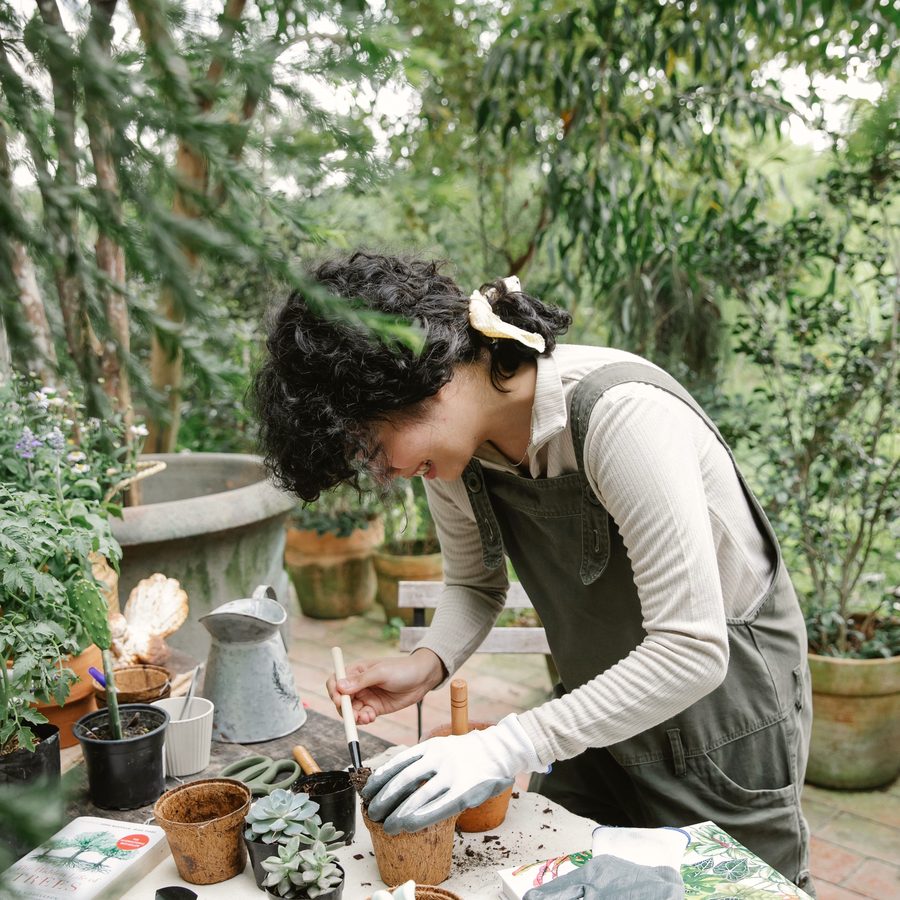
Elise Fawn
Founder & Editor. Elise learned to garden on a north-facing patch of clay behind a rented terrace, mostly by getting it wrong. She writes the beginner guides she needed then.
You might also like

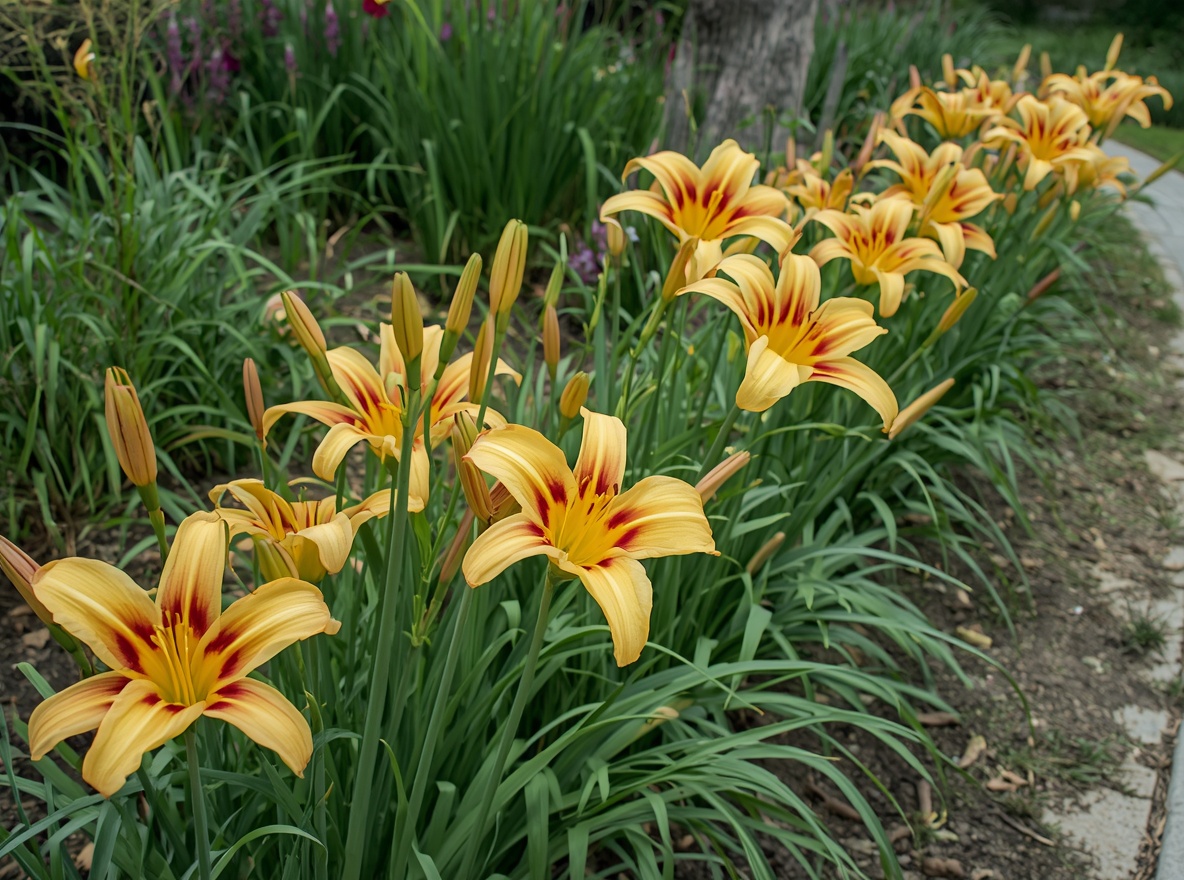
Twelve flowers that bloom generously, forgive neglect, and make a first garden look like you knew what you were doing.
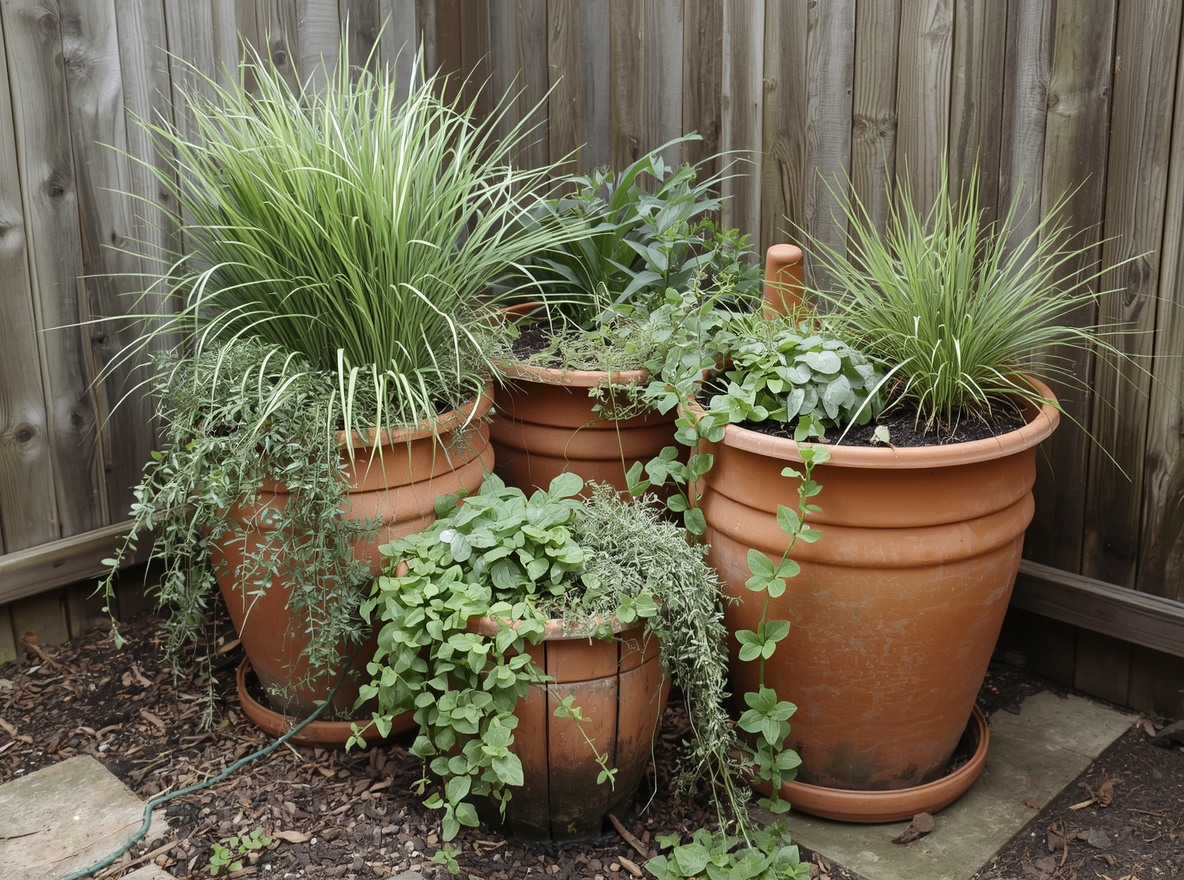
Everything you need for a garden that lives entirely in pots — including the three rules that keep container plants from drying out by August.
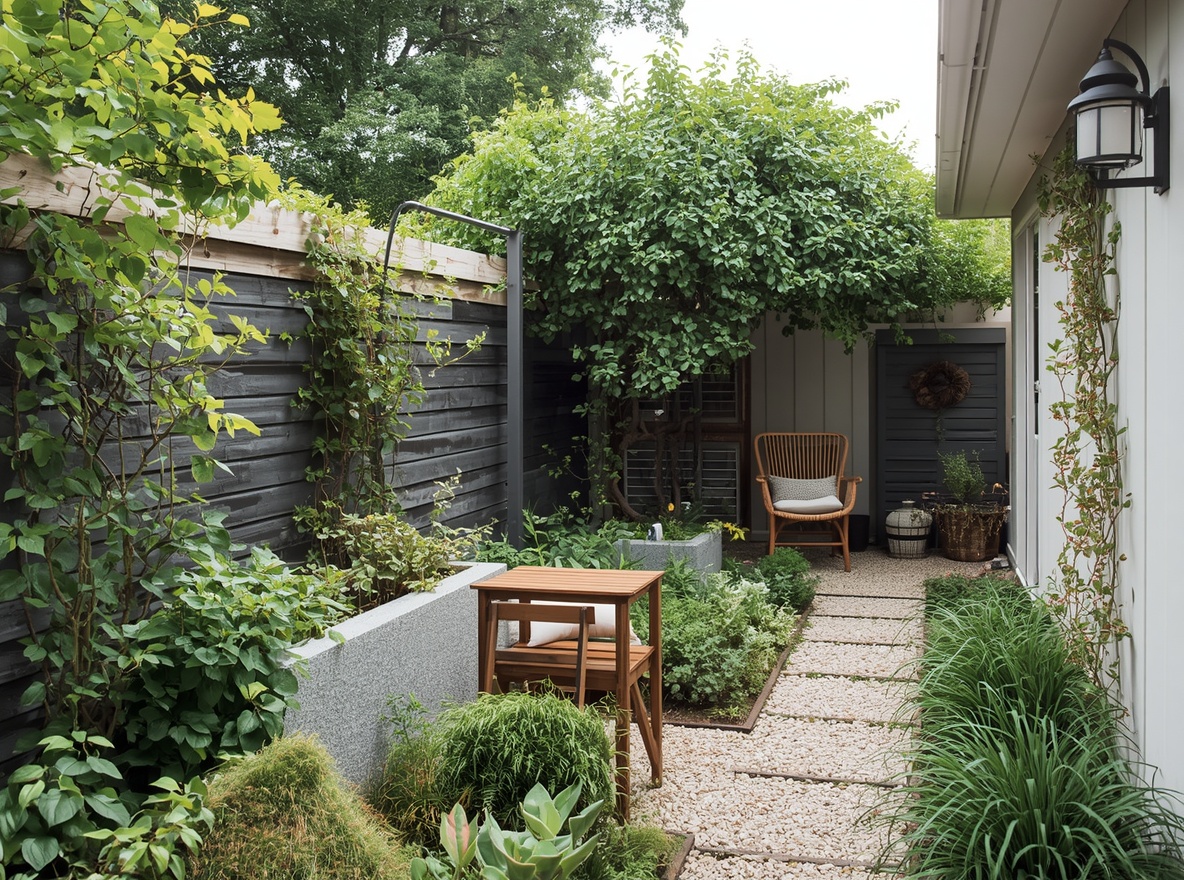
Small gardens can feel bigger than large ones. It comes down to a handful of layout decisions most people get backwards.

One gentle email, every Sunday
Seasonal jobs worth doing, one plant worth knowing, and whatever we’re slowly making. No noise, no daily sends.