
Natural materials have a way of making a room feel calmer without making it feel boring.
Wood brings warmth. Linen softens hard edges. Clay adds a handmade quality. Stone gives a room weight and texture. None of them need to be dramatic to make a difference.
The best part is that these materials tend to work with almost any decorating style. You can use them in a modern room, a cottage-style home, something more rustic or a space that is still figuring out what it wants to be.
You also do not need to replace everything you own. A few thoughtful pieces can be enough to make a room feel more grounded and less overly polished.
Here are some of the easiest ways to decorate with wood, linen, clay and stone without making your home feel like a showroom.
Start with wood for warmth
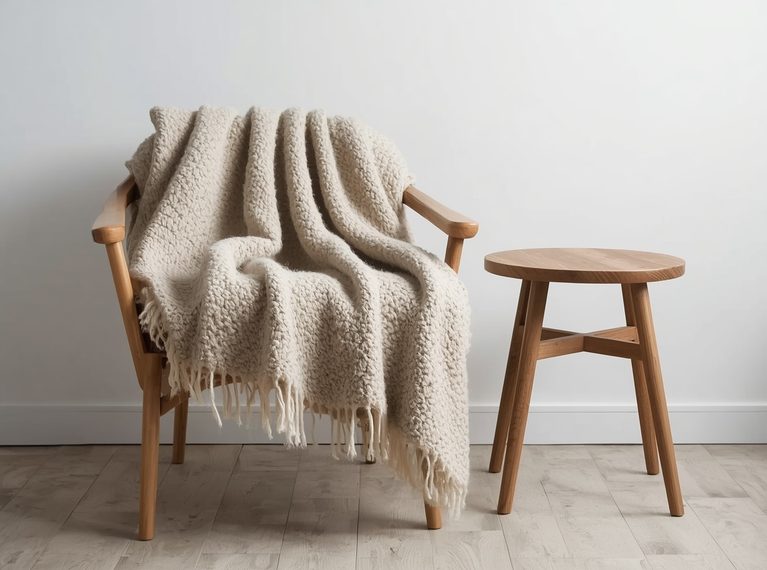
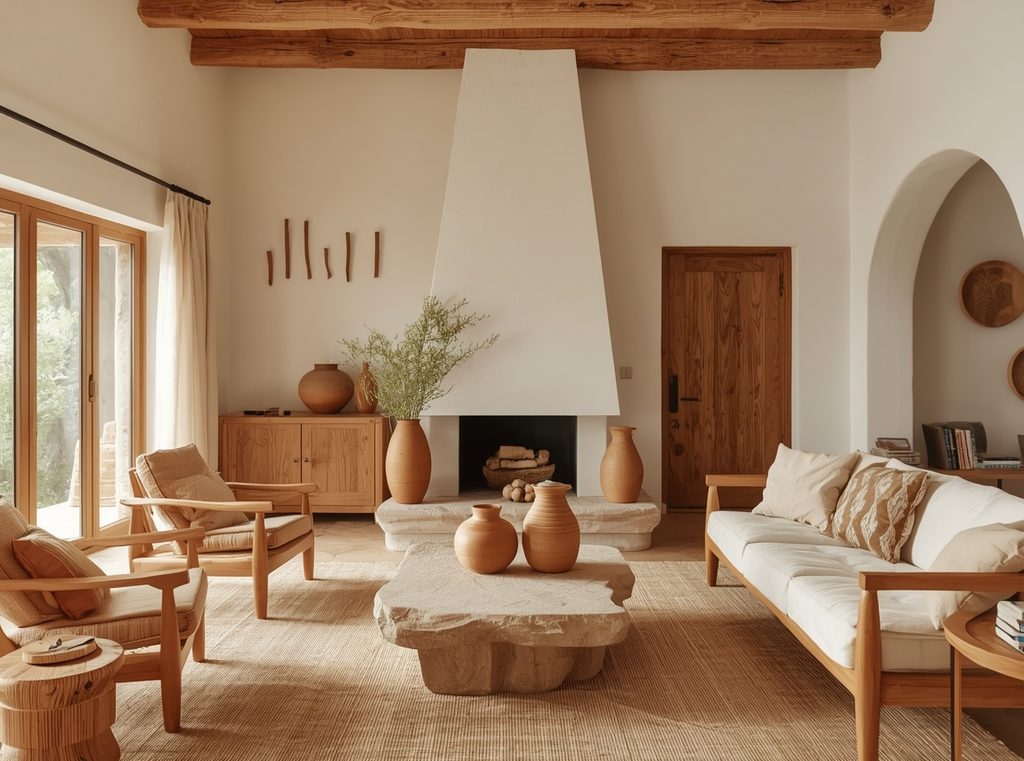
Wood is usually the easiest natural material to add because it works almost anywhere. A wood coffee table, stool, console or picture frame can warm up a room immediately, especially if the rest of the space is fairly neutral.
You do not need every wood tone to match. In fact, a mix of light oak, darker walnut and a more weathered piece can make the room feel more collected and less like everything came from one furniture set.
Let the grain show
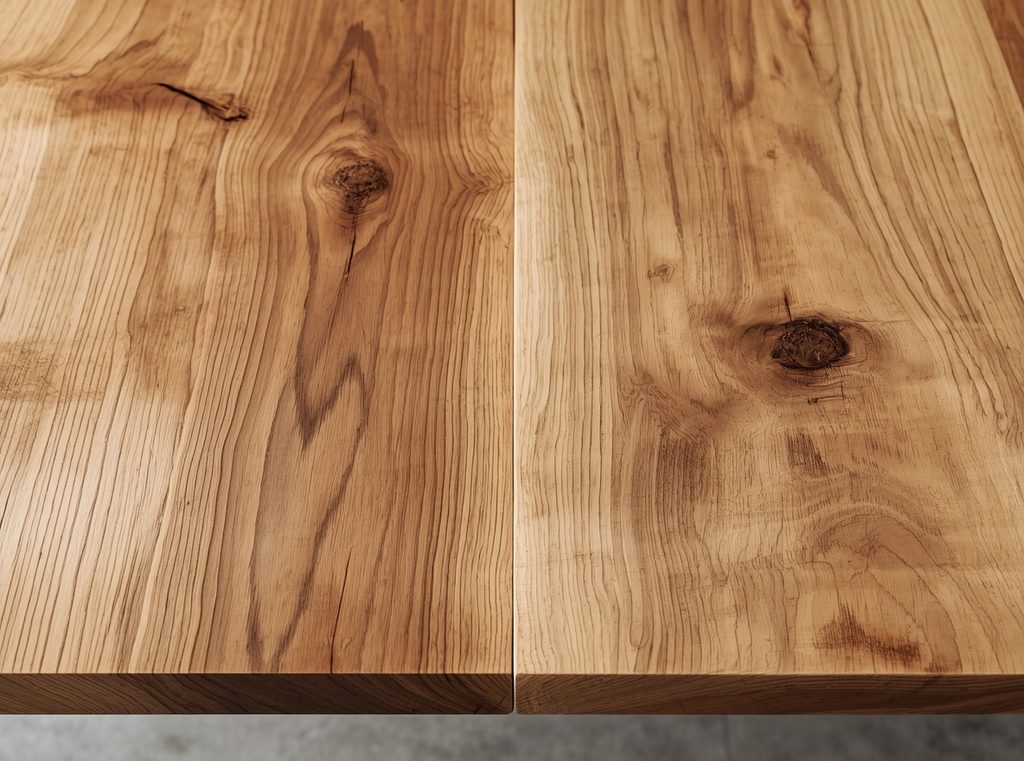
Highly polished or heavily painted wood can still be beautiful, but if you want a more natural feeling, look for pieces where the grain is visible.
Knots, variation and small imperfections are part of what makes real wood interesting. A simple table with a visible grain pattern often adds more character than something with a perfectly uniform finish.
Use linen where you want softness
Linen works especially well in rooms that have a lot of hard surfaces. Curtains, bedding, tablecloths and cushion covers are all easy places to bring it in.
The slightly rumpled texture keeps things from feeling too formal, and that is really part of the appeal. Linen is not supposed to look perfectly pressed all the time.
Choose warm linen tones
Natural flax, oatmeal, warm white and soft taupe are easy to mix with wood and stone.
If you want a little colour, muted olive, clay pink and dusty blue can still feel very natural. The goal is to keep the palette soft enough that the texture remains the main feature.
Use linen curtains to soften a room
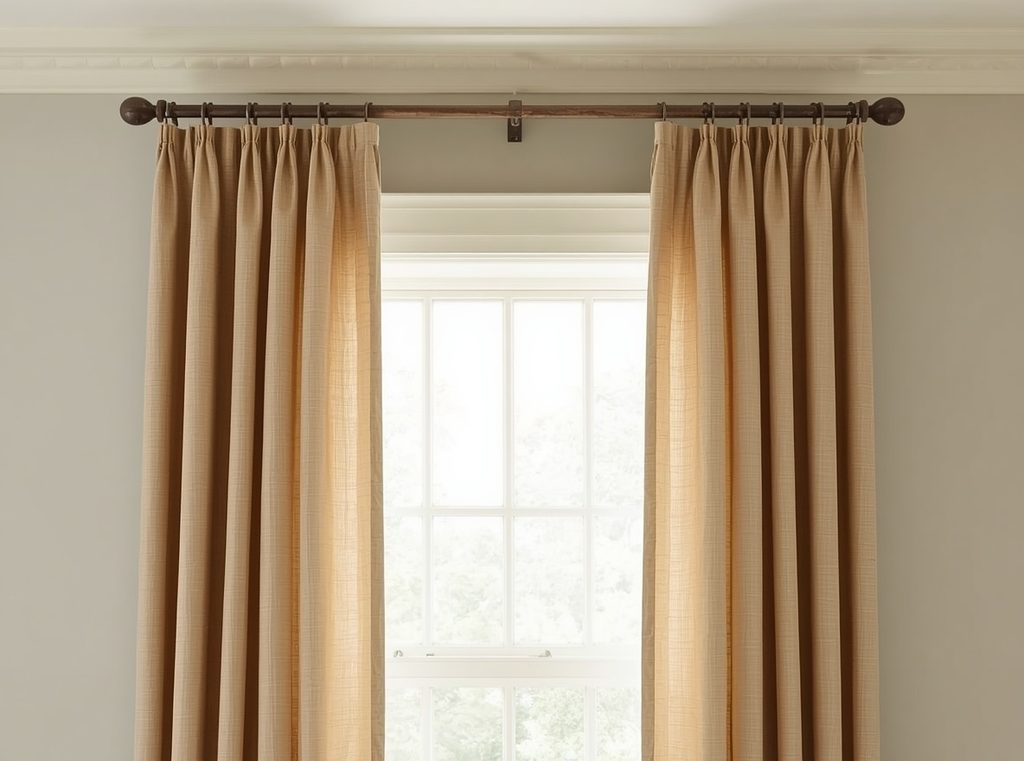
Floor-length linen or linen-look curtains can completely change a space, especially if the walls and furniture are fairly simple.
Hang them high and wide around the window so the room feels taller and brighter. A slightly sheer fabric lets in soft natural light while still adding a sense of privacy.
Add clay through pottery
Clay is one of the easiest ways to make a room feel less manufactured.
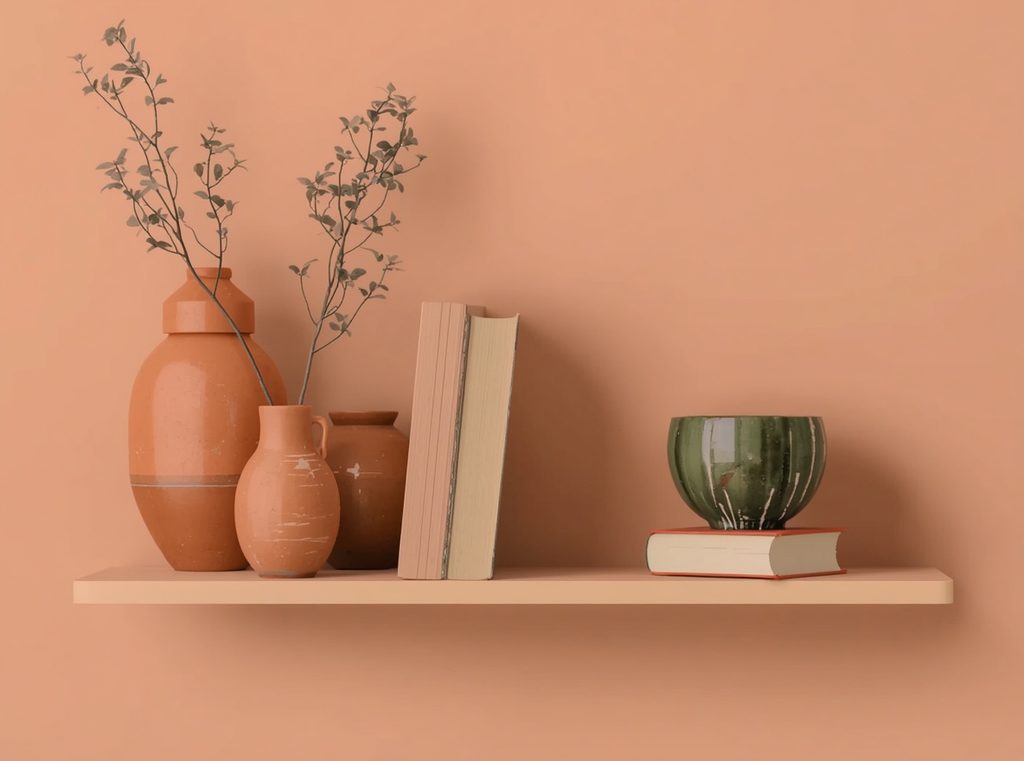
A handmade vase, bowl, lamp base or simple planter adds texture and a little irregularity. Pieces that are slightly uneven or have a visible hand-thrown finish usually feel more interesting than something perfectly smooth.
Mix glazed and unglazed clay
You do not have to choose one finish.
Unglazed terracotta adds warmth and earthiness, while glazed pottery can bring in subtle colour and shine. Mixing the two keeps a shelf or table from feeling too flat.
Use terracotta beyond plant pots
Terracotta is great for plants, but it can also work through bowls, lamps, tiles and decorative objects.
Its warm orange-brown tone pairs especially well with cream, olive, natural wood and soft black.
Bring in stone for weight
Stone gives a room a sense of permanence that softer materials do not.
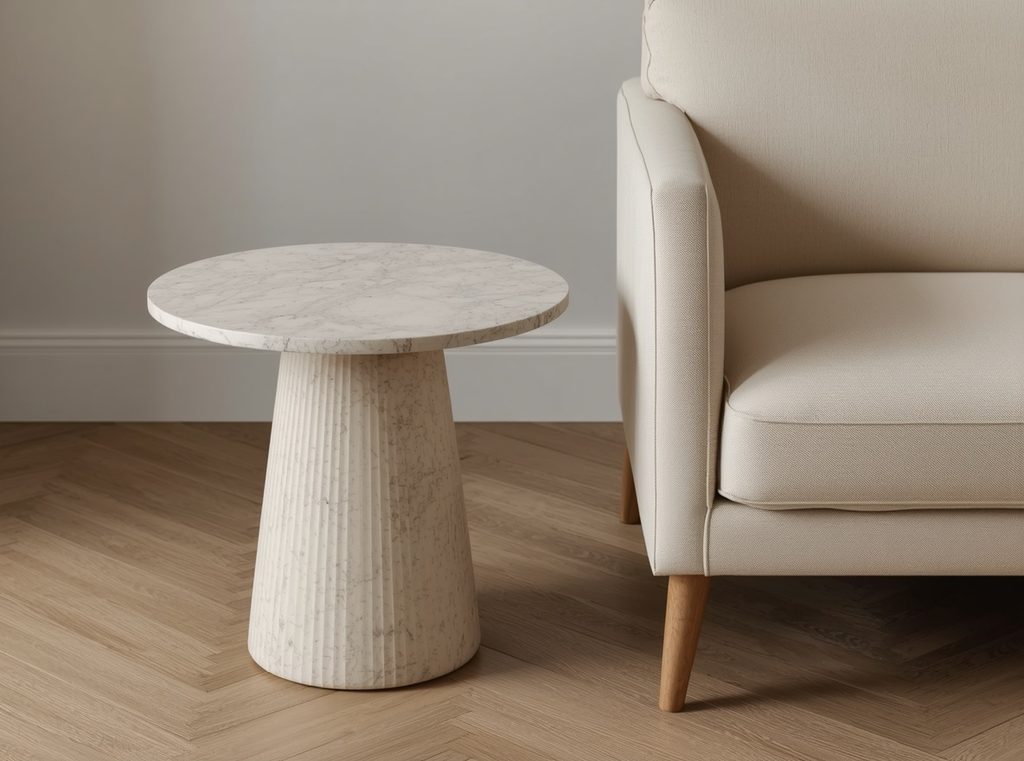
A travertine side table, marble tray, soapstone object or stone lamp can make even a simple room feel more substantial. You do not need a huge stone feature to get the effect.
Look for honed and matte finishes
If you want the stone to feel more relaxed, honed or matte finishes usually work better than anything extremely glossy.
They show the natural pattern of the material without making it feel too formal. Travertine, limestone and softer-looking marbles are especially good for this.
Use stone in small doses
Stone can feel heavy if you use too much of it in a small room.
One coffee table, side table or tray is usually enough to bring in the texture. Balance it with linen, wood and softer upholstery so the room still feels comfortable.
Mix materials instead of matching them
A room feels more interesting when natural materials are layered together rather than repeated too perfectly.
Try a wood table with a stone bowl on top, linen curtains beside a clay lamp or a woven basket under a marble console. The contrast between smooth, rough, soft and solid is what creates depth.
Keep the colour palette simple
When you are using several natural materials at once, you do not need a lot of extra colour.
Warm white, beige, brown, olive, charcoal and muted rust all work well because they support the materials rather than competing with them.
You can still add stronger colour through art or textiles, but the room usually feels calmer when the base stays fairly restrained.
Add woven materials too
Rattan, jute, seagrass and cane fit naturally alongside wood, linen, clay and stone.
A woven basket, pendant light or rug can add texture without introducing another strong colour. Use them sparingly so the room stays balanced rather than turning fully bohemian.
Choose fewer pieces with more texture
Natural decorating works best when you do not overcrowd the room.
Instead of filling every surface with small objects, choose a few pieces with interesting texture and let them stand on their own. One large clay vase or one stone bowl can have more impact than a collection of tiny accessories.
Use branches and greenery
Plants and clipped branches work beautifully with natural materials because they add another layer of texture without changing the palette too much.
A few branches in a clay vase, a large leafy plant beside a wood console or dried grasses near a stone table can make the whole arrangement feel more relaxed.
Add one older piece
Natural materials tend to look better with age, which is why vintage and antique pieces fit so easily into this style.
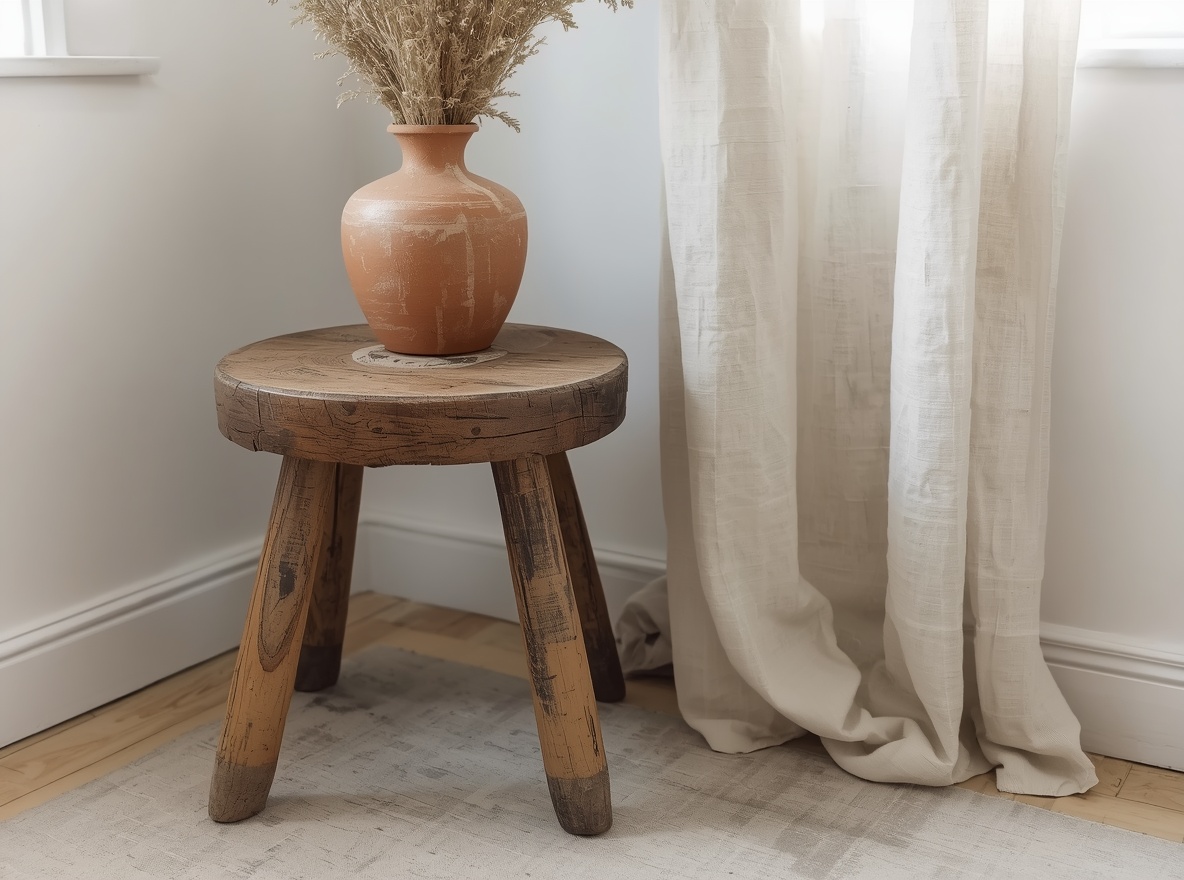
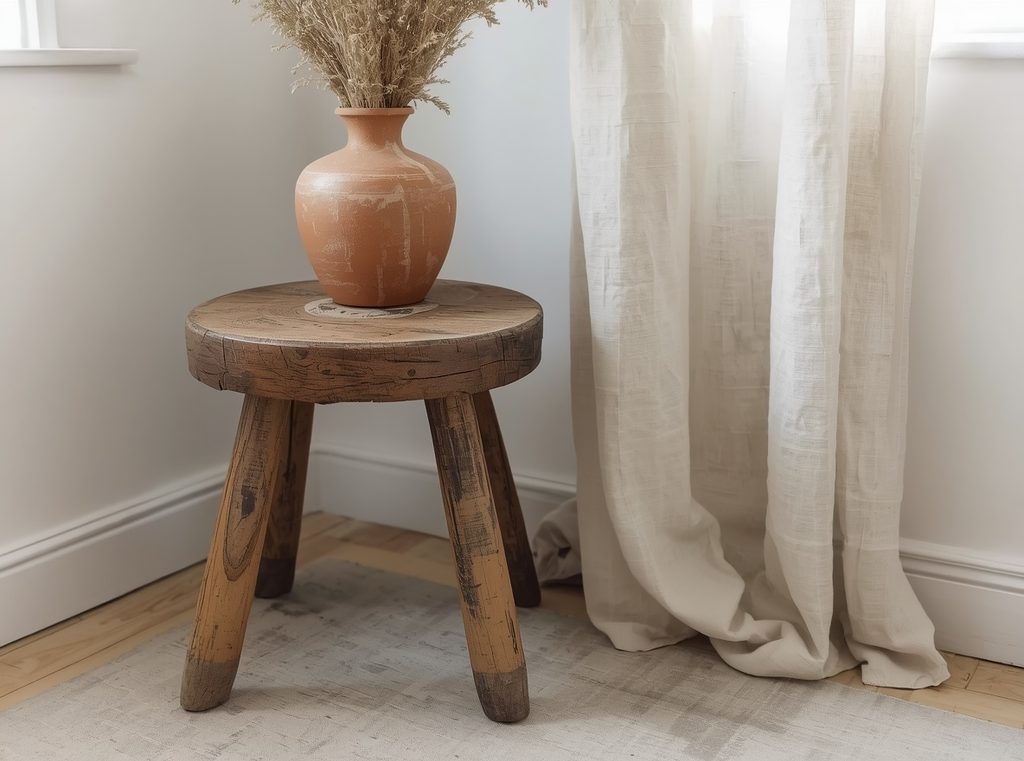
An old wood stool, worn clay pot or weathered stone object can keep a room from feeling too new. It does not have to be expensive. It just needs a little character.
Let things age naturally
One of the nicest things about natural materials is that they do not need to stay perfect.
Wood develops marks. Linen softens. Terracotta changes colour. Brass darkens. Stone can pick up subtle wear. Those changes usually make the pieces feel better, not worse.
If you want a home that feels relaxed, it helps to stop expecting every surface to look brand new forever.
Use natural materials in the bedroom
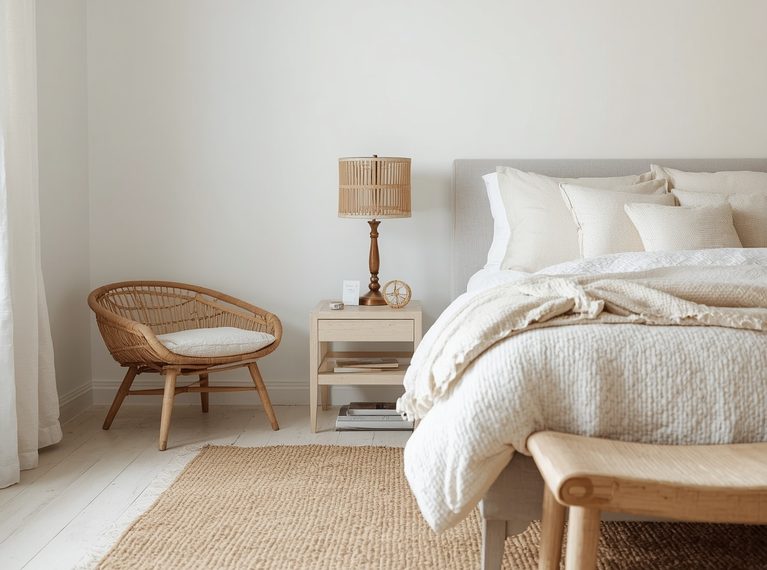
The bedroom is an easy place to start because you can layer several natural textures without changing the furniture.
Use linen bedding, a wood nightstand, a woven basket and one clay lamp or vase. Add a wool throw or a small stone dish and the room will immediately feel warmer and more grounded.
Use natural materials in the kitchen
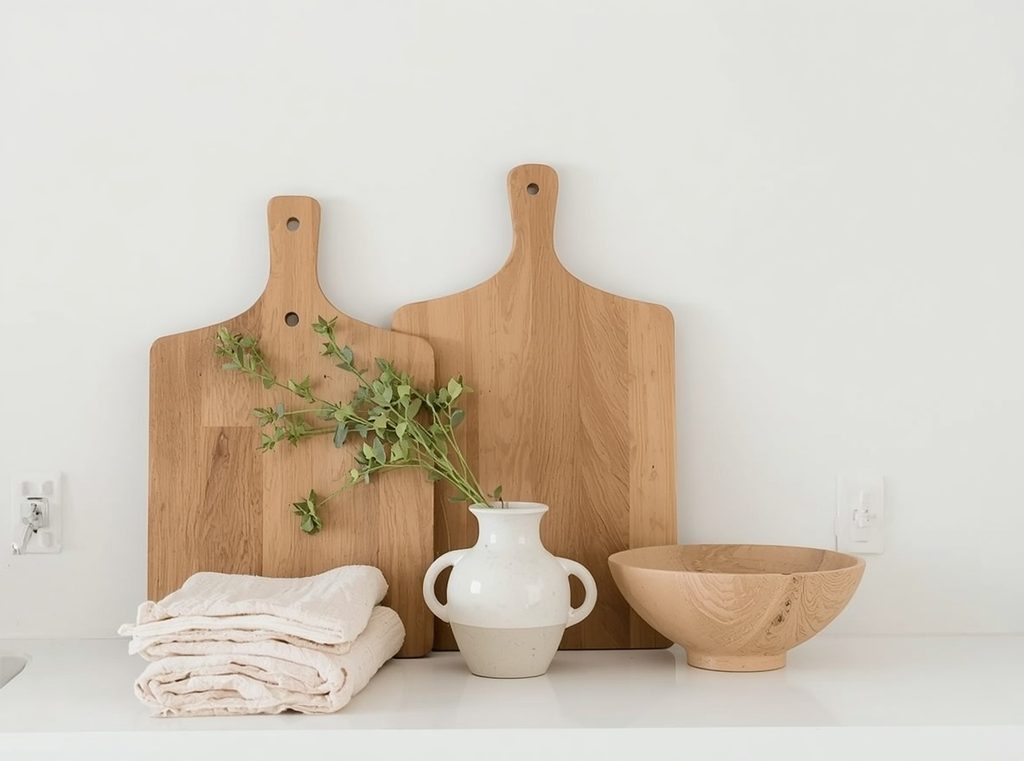
Wood cutting boards, stoneware dishes, linen tea towels and handmade pottery can soften a kitchen that has a lot of hard cabinetry and metal.
You do not need to leave everything on display, but a few useful objects grouped together can make the room feel more lived in.
Use natural materials in the living room
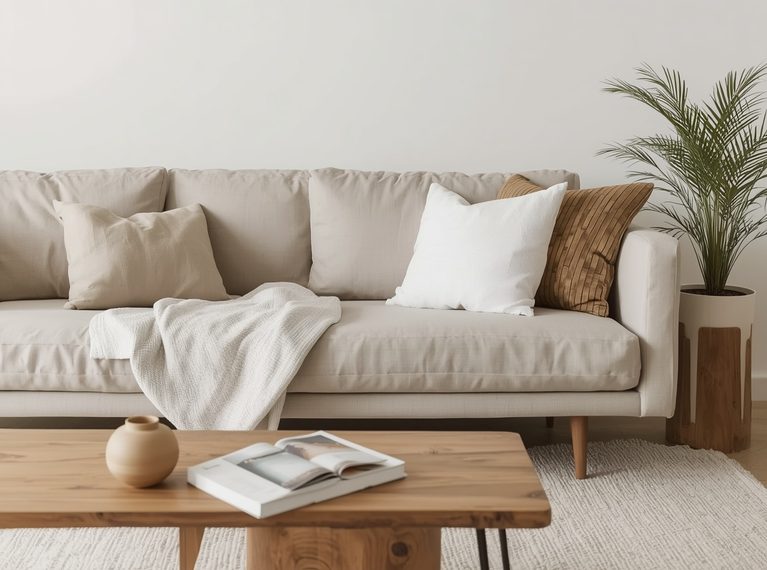
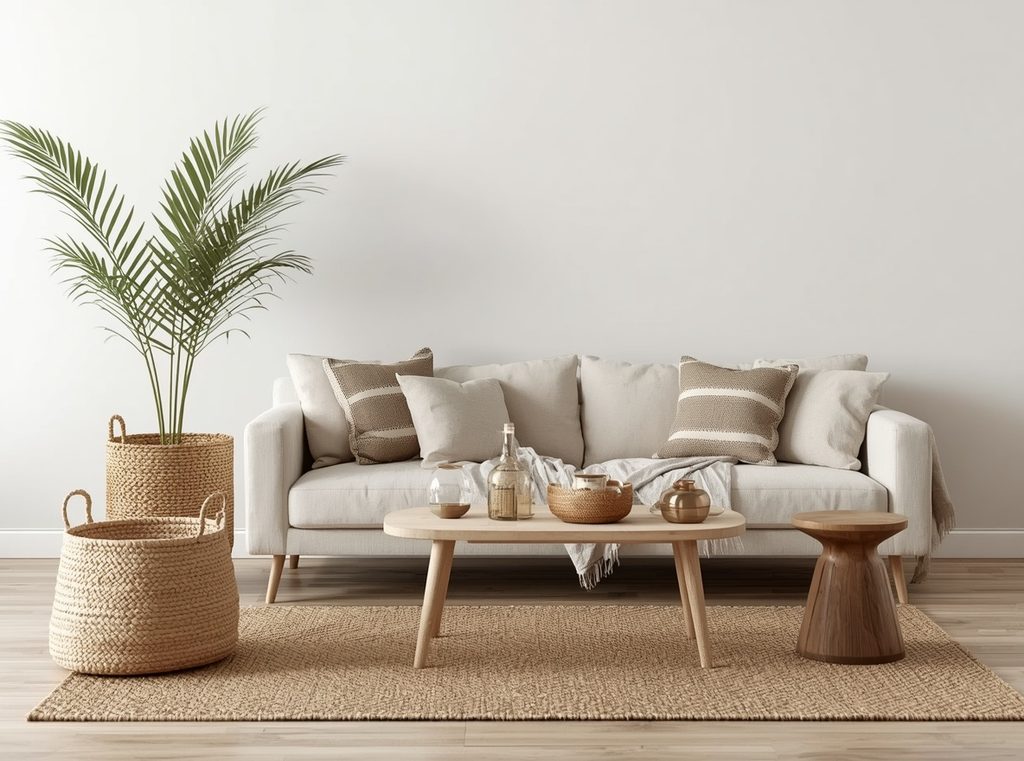
In a living room, I would focus on the larger pieces first. A wood coffee table, linen or textured sofa, wool rug and one stone or clay accent can give you most of the look without adding much decor.
Then layer in a plant, a woven basket and a few books. That is usually enough.
A simple natural materials formula
If you are starting from scratch, choose one main material and let the others support it.
For example, begin with a warm wood table, then add linen curtains, one clay vase and a small stone tray. Or start with a stone coffee table and soften it with linen upholstery, wood accents and woven texture.
You do not need equal amounts of everything. A little contrast is what makes the materials feel intentional.
Natural does not have to mean rustic
Decorating with natural materials is not about turning your home into a cabin.
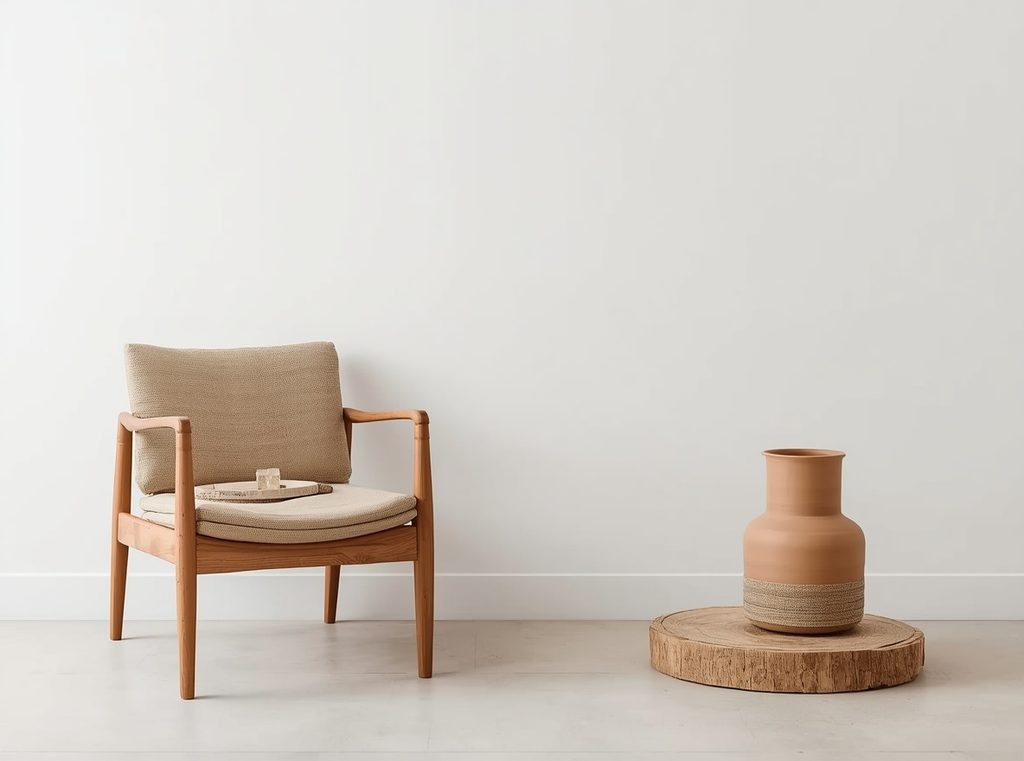
You can still keep the lines clean, the colour palette simple and the room modern. The natural materials are what stop that simplicity from feeling cold.
Start with one or two things that feel real and tactile, then build slowly. A home usually feels better when the materials look like they can age, soften and change with you.