
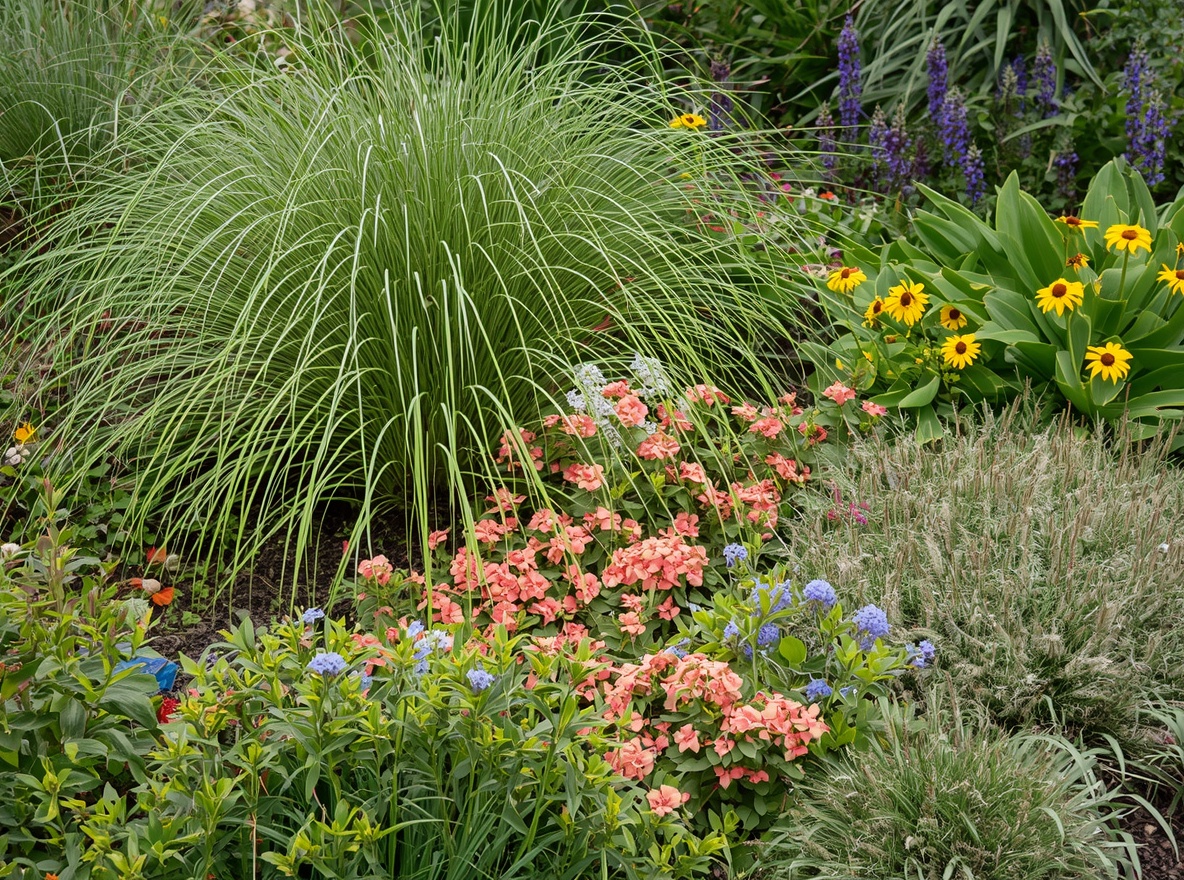
A small backyard can still feel like a real garden.
You just have to be a little more intentional about what earns space. In a big yard, you can get away with empty corners, oversized furniture and plants that spread wherever they want. In a small yard, every metre matters, so the goal is to make each part of the space do more than one job.
That might mean growing up instead of out, choosing plants that give you more than one season of interest or turning a fence into part of the garden instead of treating it like a boundary.
The best small gardens do not necessarily feel packed. They feel layered, useful and thoughtful, with enough open space left over that you can actually enjoy being in them.
Here are 18 small backyard garden ideas that make the most of the space you have.
1. Grow up the fence
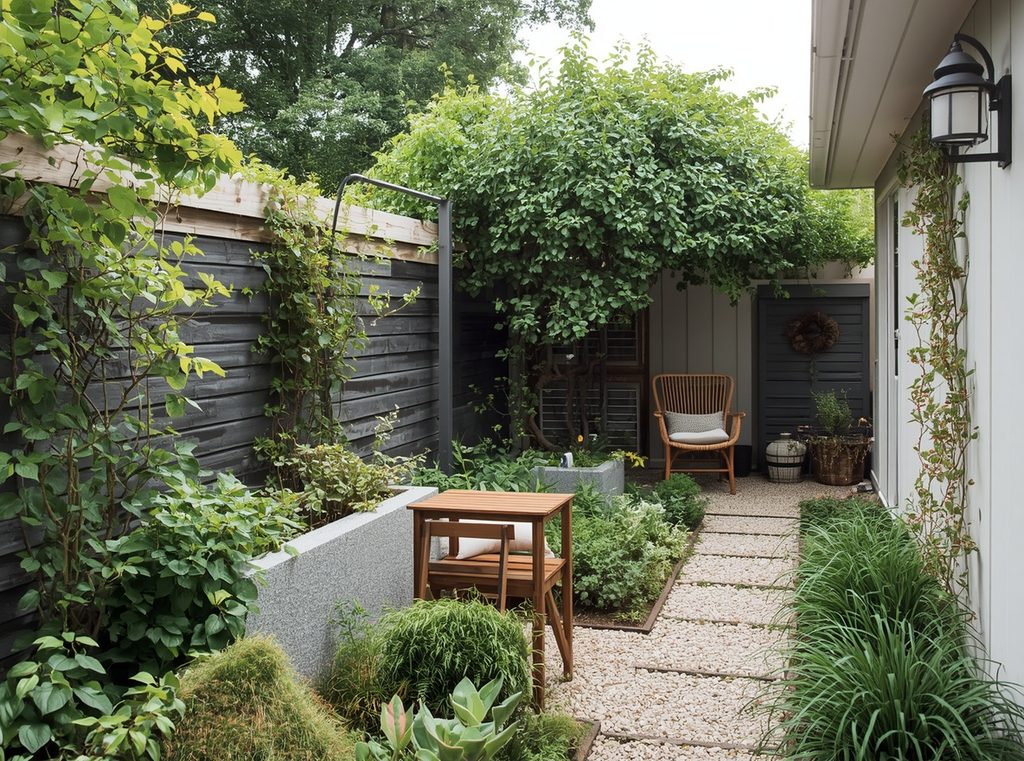
When you do not have much ground space, vertical surfaces become incredibly useful. A fence can hold climbing roses, clematis, beans, peas, jasmine or another vine suited to your climate.
You can also attach narrow planters or a simple trellis system if you want more control over what grows there. Adding greenery to the fence makes the whole yard feel deeper because your eye is no longer stopping at a flat wall.
2. Use one strong focal point
A small yard can start to feel chaotic if every corner is trying to be important.
Choose one main feature instead. It could be a beautiful tree, a bench, a large planter, a small fountain or even one especially lush garden bed. Once you have that anchor, the rest of the space can stay simpler.
3. Choose narrow garden beds
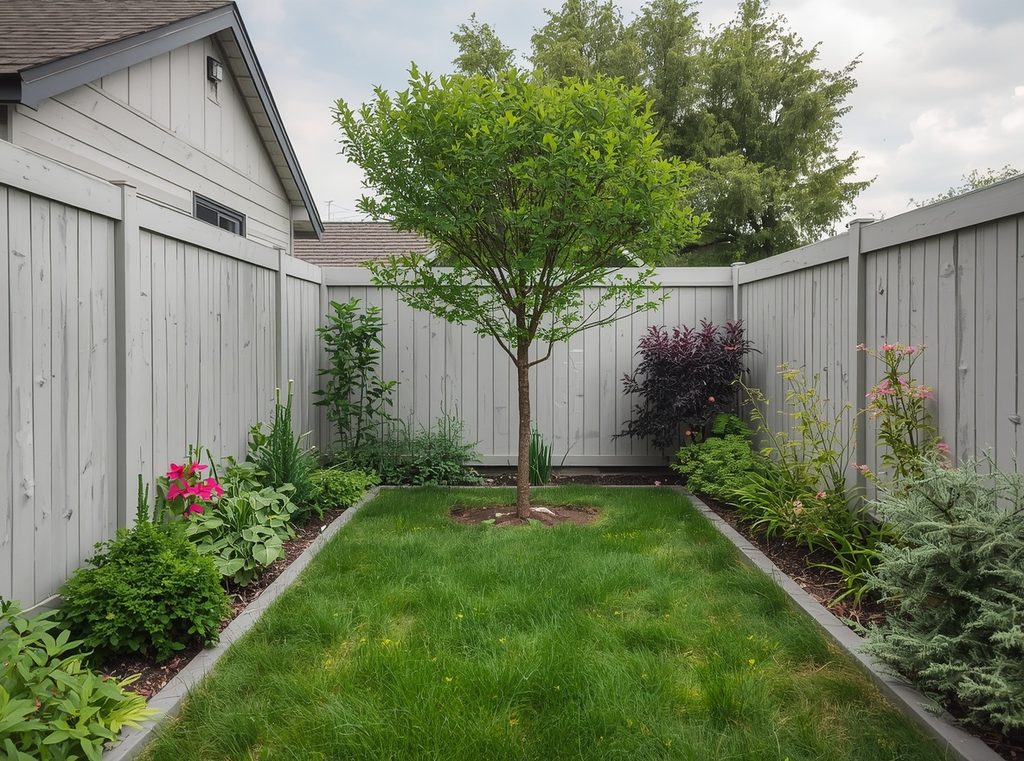
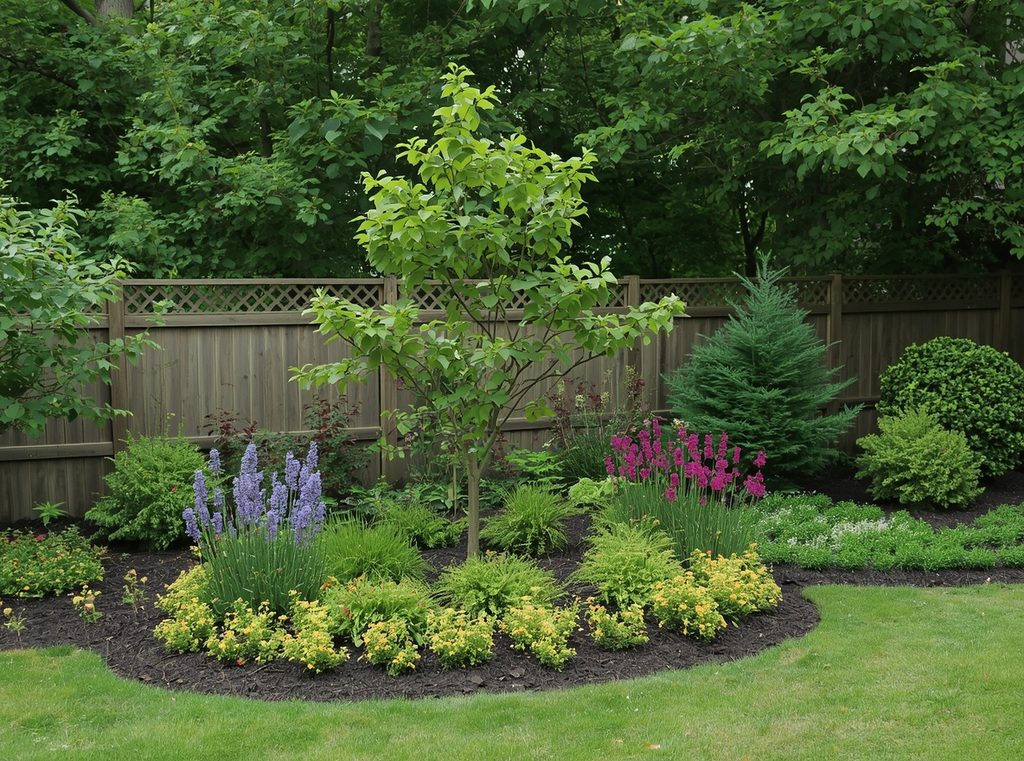
You do not need a huge border to grow a lot of plants. A narrow bed along a fence can hold surprisingly much if you layer plants by height.
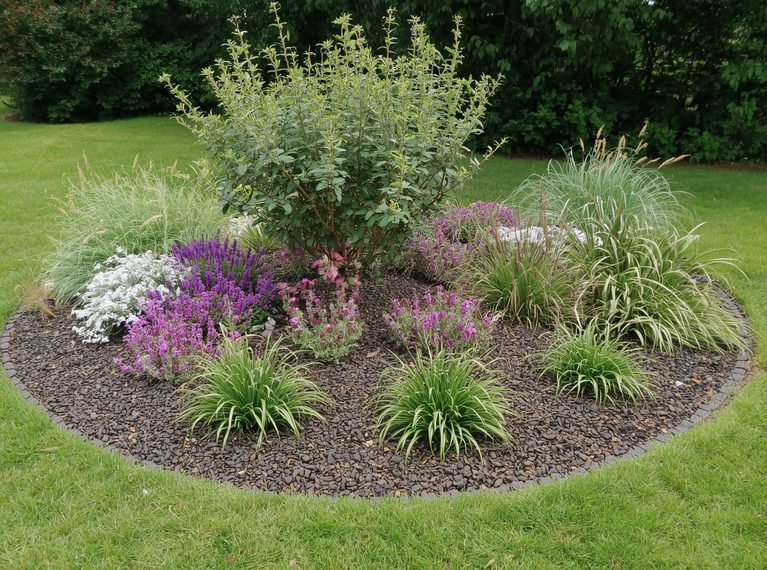
Put taller shrubs or grasses toward the back, medium-height perennials through the middle and lower plants along the edge. Even a bed that is only a couple of feet deep can feel lush when it has enough variation.
4. Use built-in seating
Freestanding patio furniture can eat up a lot of space, especially when you have to leave room to walk around it.
A simple bench along a fence or wall takes up less room and can sometimes include storage underneath. Add a few cushions and a small movable table and you have a seating area without sacrificing half the yard.
5. Add mirrors carefully
Outdoor mirrors can make a small garden feel larger by reflecting greenery and light. They work especially well on a solid fence or wall where the reflection can look almost like another opening into the garden.
Just be thoughtful about placement. Avoid angles that reflect intense direct sunlight where it could create excessive heat, and make sure birds are not likely to mistake the reflection for open space.
6. Keep pathways narrow but comfortable
A path does not need to be huge to make a backyard feel organized.
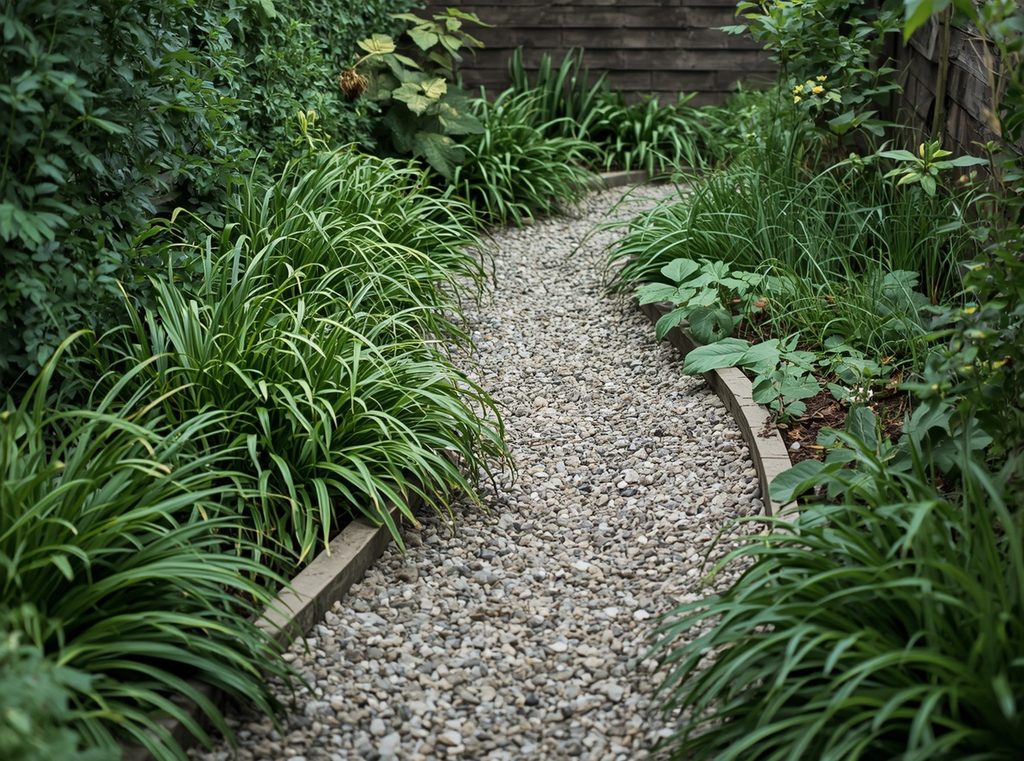
A narrow gravel path, stepping stones or simple pavers can guide you through the garden while leaving more room for planting. Just keep it wide enough that you are not squeezing past wet foliage every time it rains.
7. Grow herbs close to the house
Herbs are perfect for small gardens because they are useful, attractive and do not need much space.
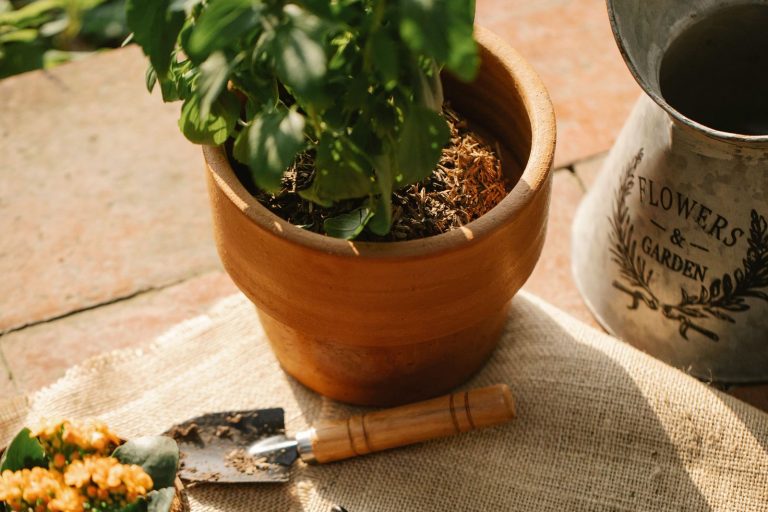
Keep pots of basil, thyme, rosemary, parsley or chives near the kitchen door so you actually use them. A narrow herb bed or railing planter works too.
When space is limited, plants that look good and earn their keep are especially valuable.
8. Use dwarf varieties
You do not have to give up on trees, fruit or flowering shrubs just because your yard is small.
Look for dwarf or compact varieties that naturally stay smaller. There are dwarf hydrangeas, compact evergreens, patio fruit trees and smaller ornamental trees that can give you the same feeling without eventually taking over the whole yard.
Always check the mature size before buying. That tiny nursery plant can become a very different situation in five years.
9. Plant in layers instead of rows
Straight rows can make a narrow yard feel even narrower.
Instead, stagger plants and overlap their shapes slightly. A tall grass behind a flowering perennial with a low groundcover in front will create more depth than three plants lined up evenly along the fence.
Layering also helps hide the edges of the yard, which can make the whole space feel larger.
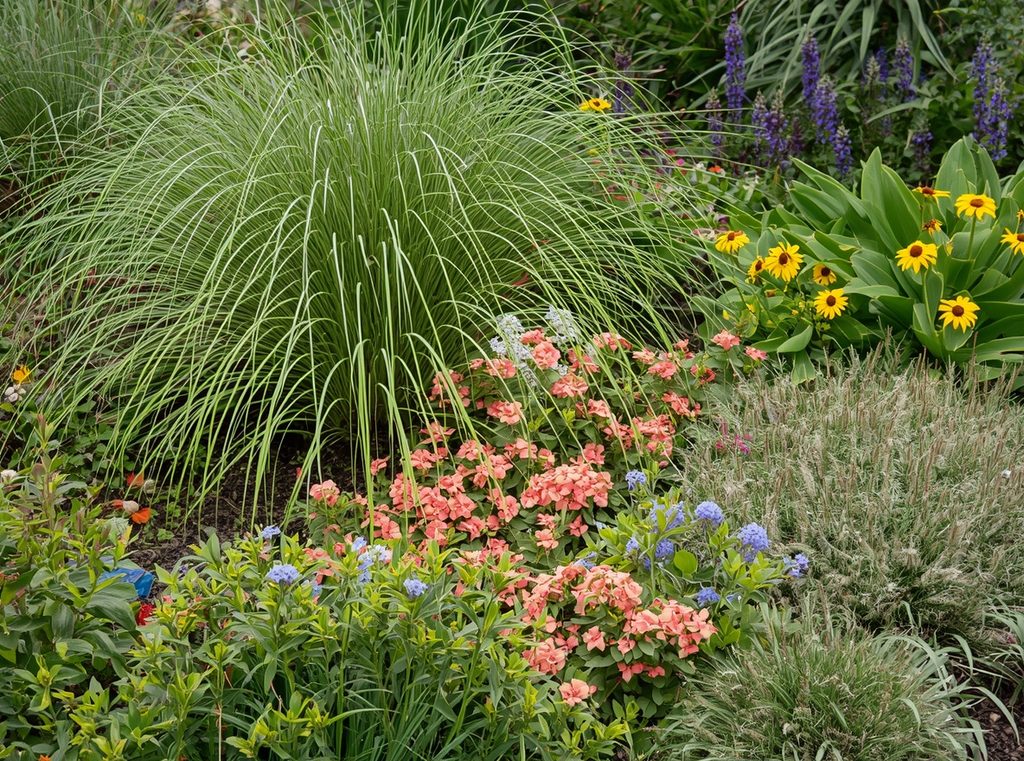
10. Use corners properly
Small backyard corners often end up with one lonely planter or nothing at all.
They are actually perfect for something with a bit of height, like a small tree, tall grasses, a climbing plant or a corner bench surrounded by greenery.
Using the corners helps draw your eye outward and makes the yard feel more complete.
11. Add raised beds with narrow edges
If you want to grow vegetables or flowers, raised beds can make a small yard feel tidy and organized.
Keep them simple and avoid overly thick borders that steal growing space. A long narrow bed against a fence can work better than several bulky boxes in the middle of the yard.
You can also add a narrow cap on top if you want somewhere to perch while gardening.
12. Use containers to fill awkward spaces
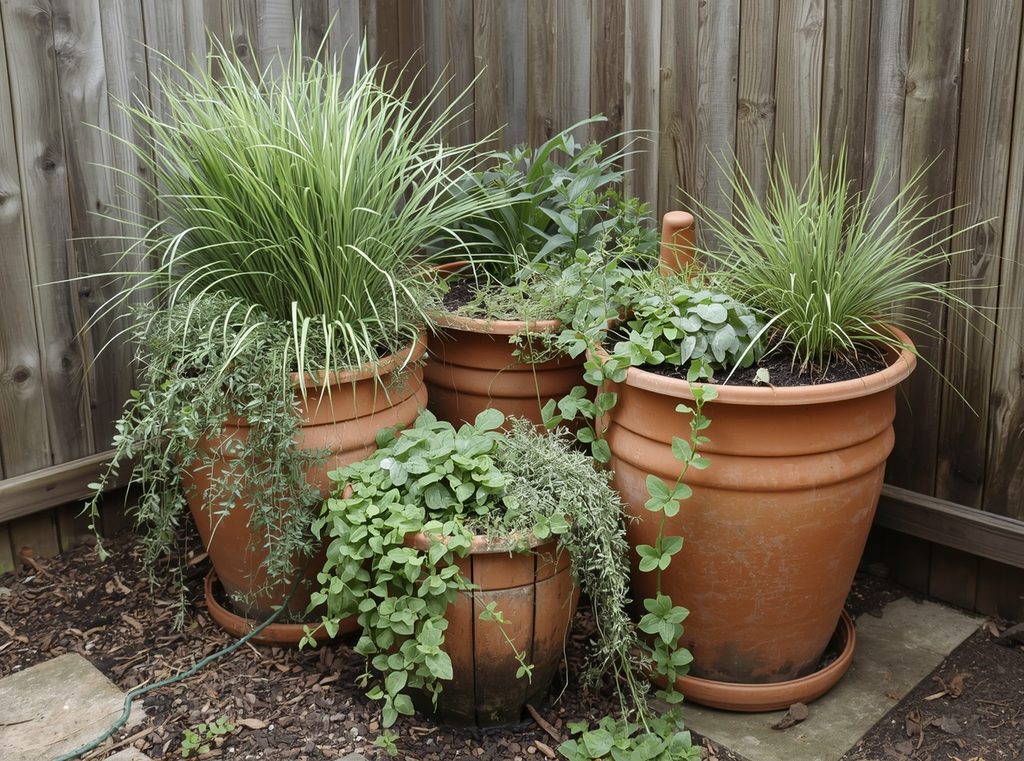
Containers are especially useful in small yards because you can move them around as needed.
Use one in a dead corner, beside a bench or near a doorway where a permanent garden bed would not make sense. A few larger pots usually look better than lots of tiny ones, and they tend to dry out more slowly too.
13. Choose plants with long seasons
In a big garden, you can dedicate space to something that looks incredible for two weeks and disappears for the rest of the year.
In a small garden, it makes more sense to choose plants that do more. Look for shrubs with spring flowers and fall colour, perennials with attractive foliage after blooming or ornamental grasses that still look good into winter.
The longer a plant looks interesting, the more valuable that space becomes.
14. Make the shed part of the garden
If you have a shed, do not treat it like something you have to hide.
Paint it a colour that works with the rest of the yard, add a climbing plant beside it or use the wall for hooks, a trellis or narrow shelving. Even a basic shed can become part of the garden instead of a big visual block taking up space.
15. Use a small tree for height
Height makes a small garden feel more layered, and a single small tree can give you shade, structure and privacy without using much ground space.
Look for varieties with a compact canopy or upright form. Japanese maple, serviceberry, dwarf fruit trees and smaller ornamental trees can all work depending on your climate and growing conditions.
16. Hide storage inside furniture
Garden tools, cushions, watering cans and random outdoor things can quickly make a tiny yard feel cluttered.
If you need storage, look for a bench or small outdoor cabinet that can serve another purpose at the same time. The less freestanding storage you have scattered around, the calmer the garden will feel.
17. Keep the colour palette connected
Lots of different flower colours can make a small garden feel busier than it really is.
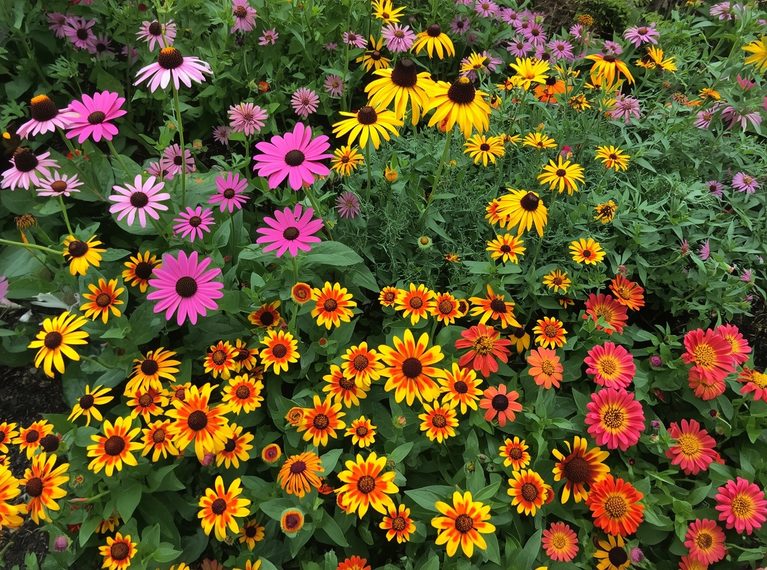
You do not have to go completely neutral, but repeating two or three main colours throughout the space helps everything feel connected. White, lavender and soft pink can create a calmer garden, while yellow, rust and deep burgundy feel warmer and a little more dramatic.
Use foliage as part of the palette too. Different shades of green can do a lot of the work.
18. Leave some lawn or open space
It is tempting to use every last inch for planting, but completely filling a small yard can actually make it feel smaller.
A little open lawn, gravel or patio space gives your eye somewhere to rest and makes the surrounding garden beds feel more generous. It also leaves room for a chair, kids, pets or whatever else actually happens in your backyard.
The goal is not to fit the maximum possible number of plants into the space. It is to make the space work better.
A simple layout for a small backyard
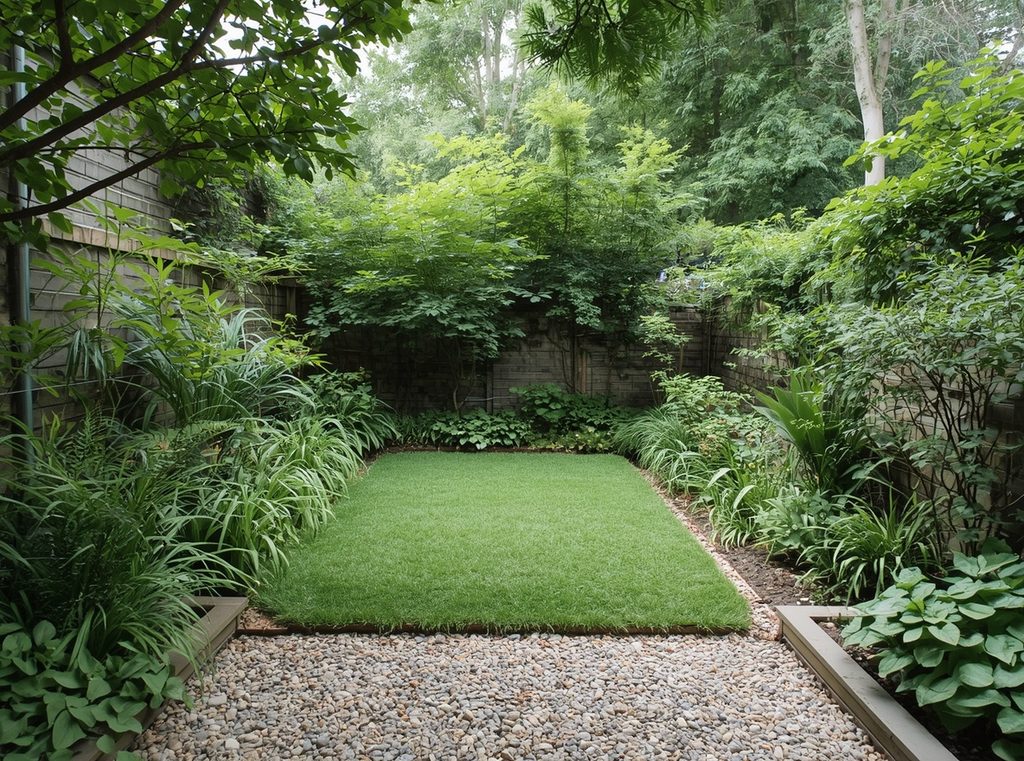
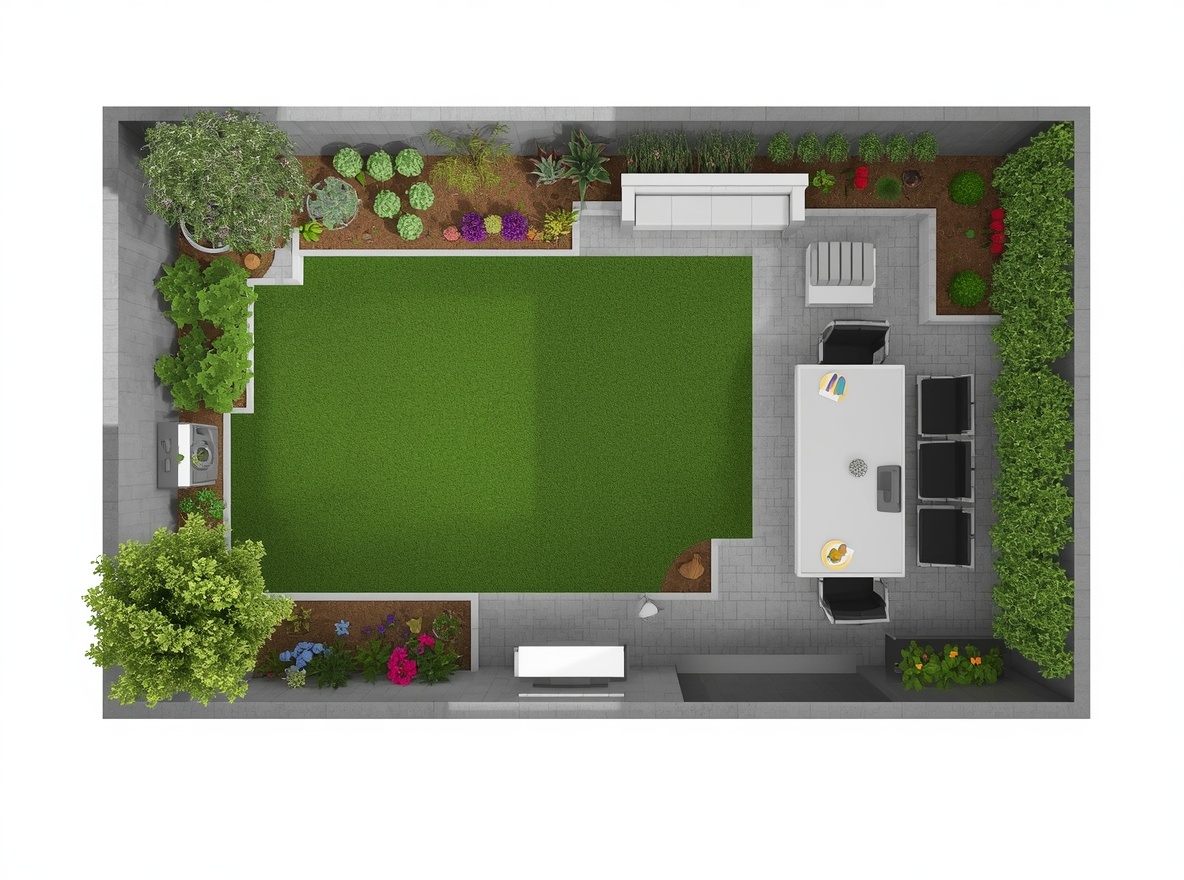
If you are starting from scratch, I would keep most of the planting around the perimeter rather than breaking the yard into lots of tiny sections. Use one side for a narrow layered garden bed, add a small tree or taller shrub in a back corner and grow something vertically along at least one fence.
Keep the middle more open with either a small lawn, gravel area or compact patio. Add one seating spot instead of several, then use a few containers near the house or seating area to soften the hard edges.
This gives you greenery and privacy without making the yard feel crowded, and it still leaves enough open space for the backyard to be useful.
Make every plant earn its place
Small gardens actually have one big advantage: you are forced to edit.
Instead of filling the yard with things you only sort of like, you can choose plants and features that really matter. A tree that gives you shade and fall colour. Herbs you cook with. A bench that hides storage. Flowers that bloom for months instead of days.
Once you stop thinking about the space as too small and start thinking about what each metre can do, a little backyard can feel surprisingly generous.