
Bringing nature indoors does not have to mean filling every windowsill with plants.
Sometimes it is as simple as opening the curtains, bringing in a branch from the yard or choosing materials that feel a little less polished and a little more alive.
Natural spaces tend to feel calmer because they give your eyes somewhere soft to land. Wood grain, linen, stone, leaves, imperfect pottery. All of those little things add warmth without making a room feel busy.
If your home has been feeling a little flat or disconnected lately, these are some of the easiest ways to bring more of the outdoors in.
1. Bring in branches from outside
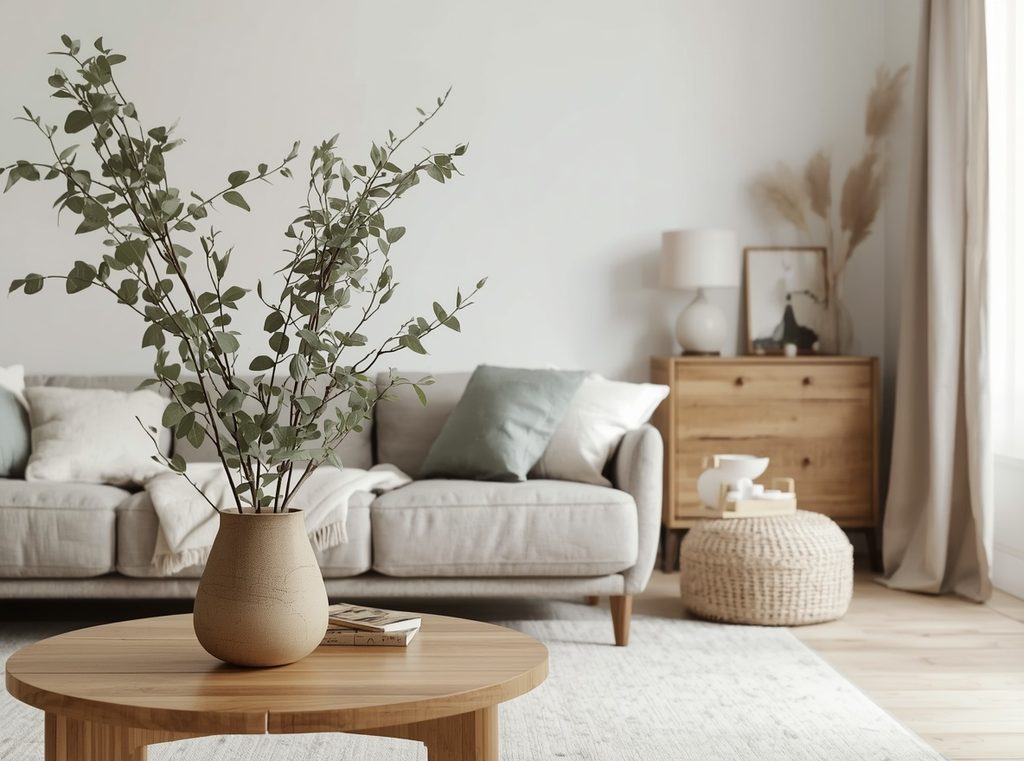
This is one of the easiest things you can do, and it costs nothing.
A few long branches in a tall vase can have more impact than a bouquet of flowers, especially if your home leans simple or neutral.
Look for interesting shapes rather than perfect ones. Bare branches, flowering branches, leafy cuttings and even dried seed heads can all work depending on the season.
There is something about bringing in whatever is actually growing outside right now that makes a room feel connected to where you live.
2. Choose real wood when you can
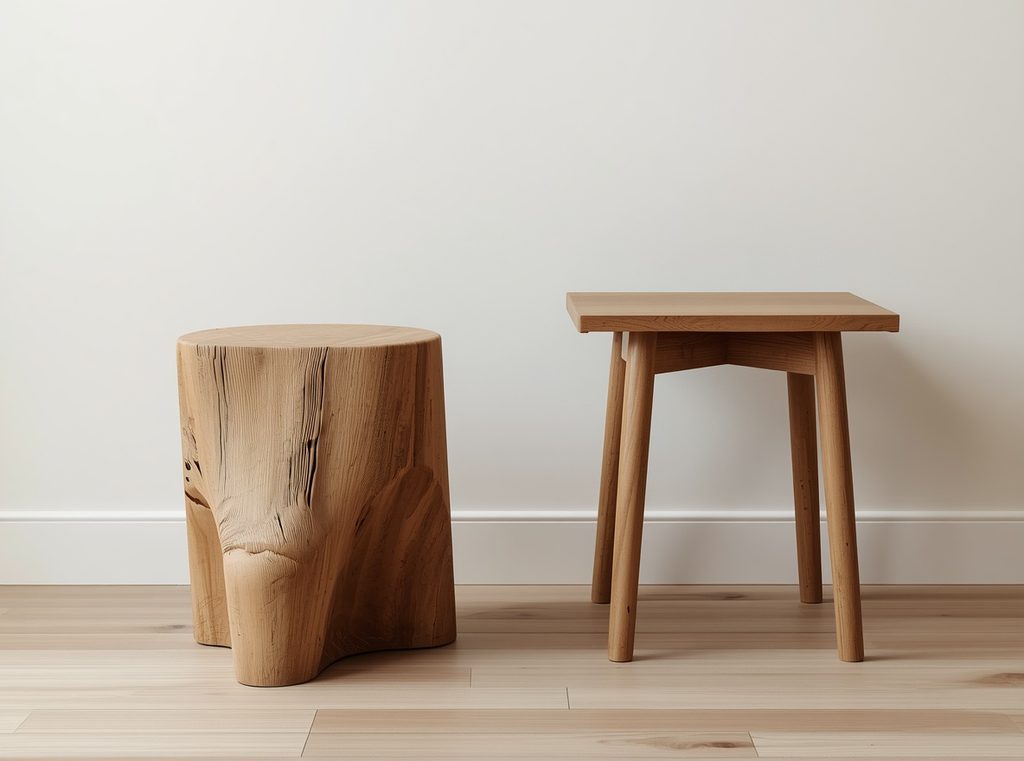
Natural wood instantly makes a space feel warmer.
You do not need to replace all your furniture. Even one real wood piece can make a difference.
A stool, cutting board, side table, picture frame or old wooden bench adds texture in a way that perfectly smooth manufactured surfaces usually do not.
And scratches are not necessarily a bad thing. Wood tends to look better once it has actually been lived with.
3. Let more natural light in
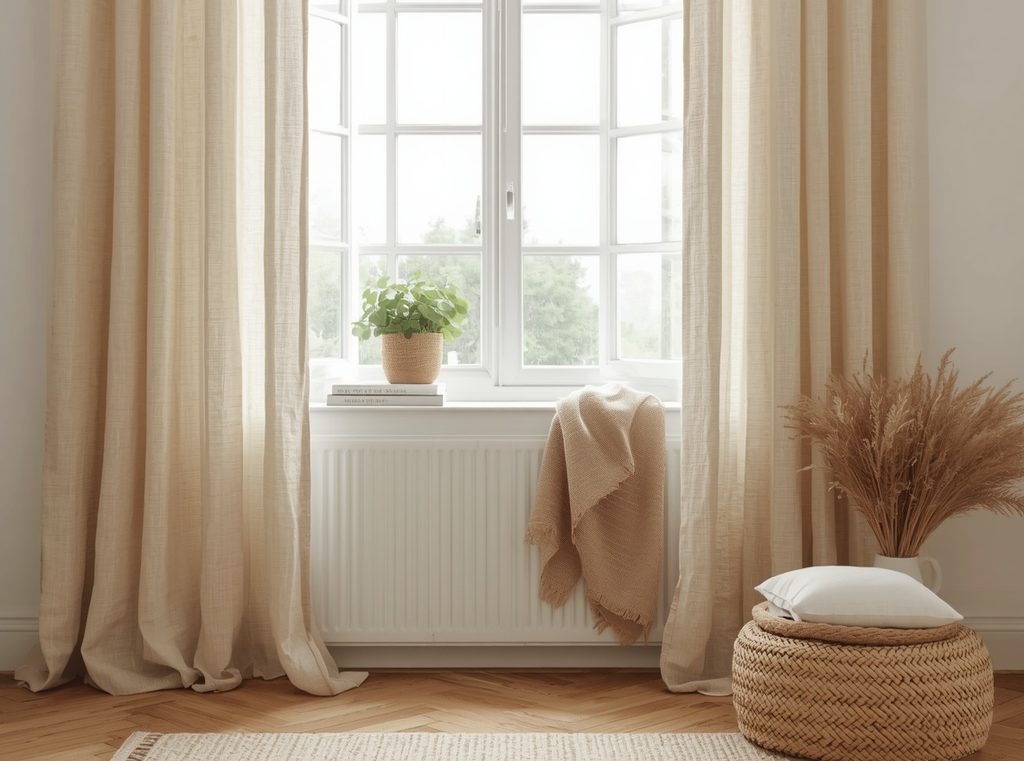
Before adding anything new, look at what might be blocking the light you already have.
Heavy curtains, furniture pushed in front of windows and crowded windowsills can make a room feel darker than it needs to.
Try opening things up during the day. Pull the curtains farther back, move anything blocking the window and let the light change naturally as the day goes on.
Natural light is probably the simplest way to make a home feel more connected to the outdoors.
4. Add plants where they actually make sense
You definitely do not need plants in every corner.
A few healthy plants usually look better than twenty struggling ones anyway.
Choose spots based on the light in your home rather than where Instagram tells you a plant should go. A sunny kitchen window might be perfect for herbs, while a larger plant could work near a bright living room window.
If you are not especially good at keeping plants alive, start with one.
5. Use natural fabrics
Linen, cotton and wool have a softness and texture that instantly makes a space feel more relaxed.
You can bring them in through bedding, curtains, throw blankets, table linens or simple cushion covers.
They do not have to look perfectly pressed either. A slightly rumpled linen curtain or cotton duvet often feels more inviting than something stiff and overly polished.
6. Display stones, shells and other little finds
Nature decor does not have to come from a store.
A smooth stone from a favourite beach, a handful of shells, a piece of driftwood or a pinecone your child insisted on bringing home can all become part of the room.
The trick is not displaying everything you have ever collected.
One small bowl of found objects or a single interesting piece on a shelf feels intentional without becoming cluttered.
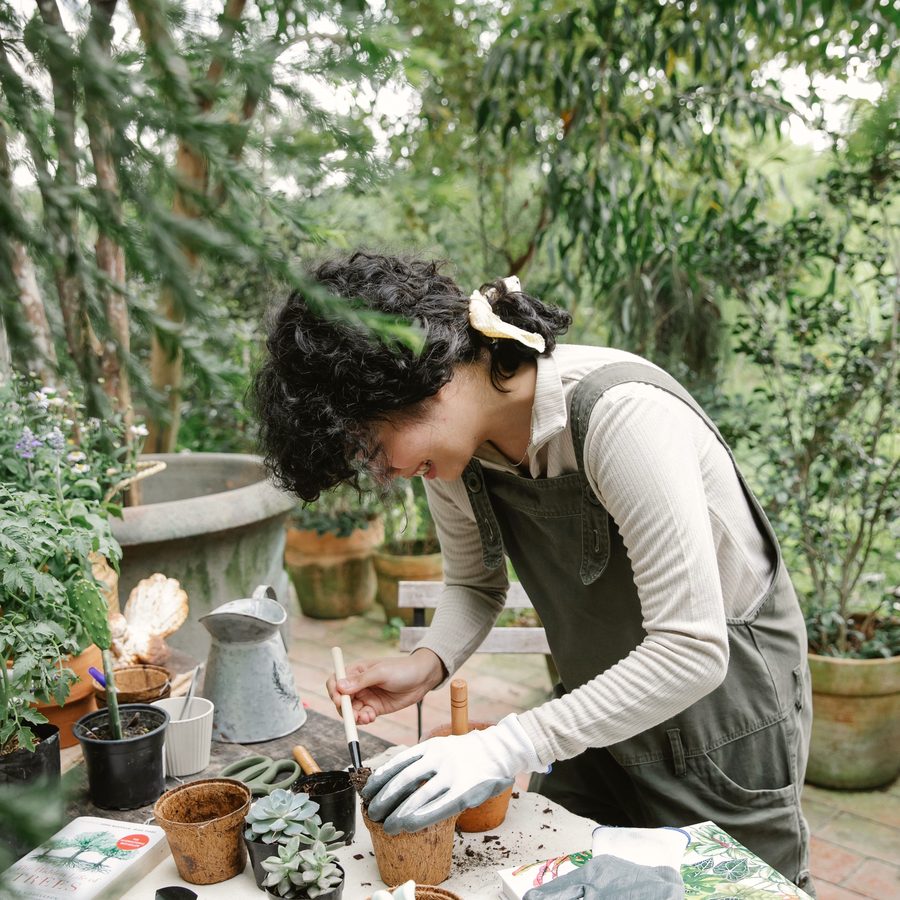
7. Grow herbs in the kitchen
A pot of basil or rosemary on the kitchen counter is both useful and nice to look at.
If you have a sunny window, herbs are an easy way to add something living without committing to a whole indoor garden.
And there is something very satisfying about snipping a little bit off while you are cooking instead of pulling a plastic container out of the fridge.
8. Use baskets for everyday storage
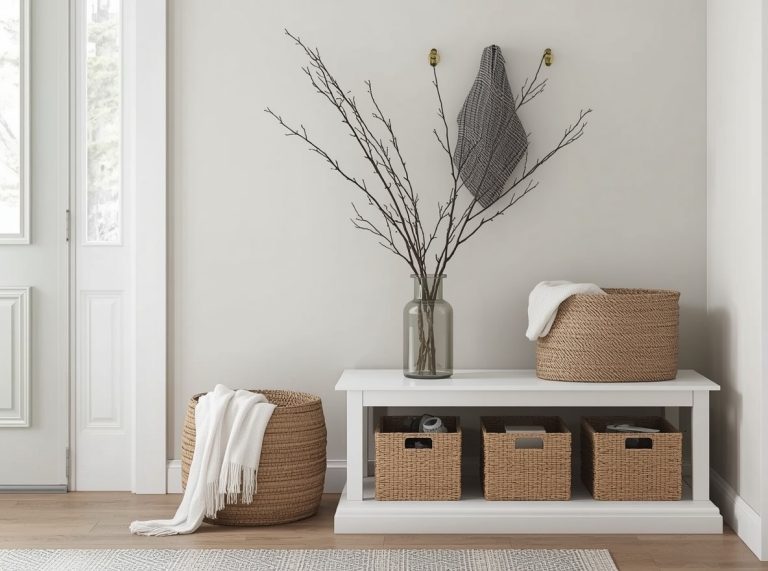
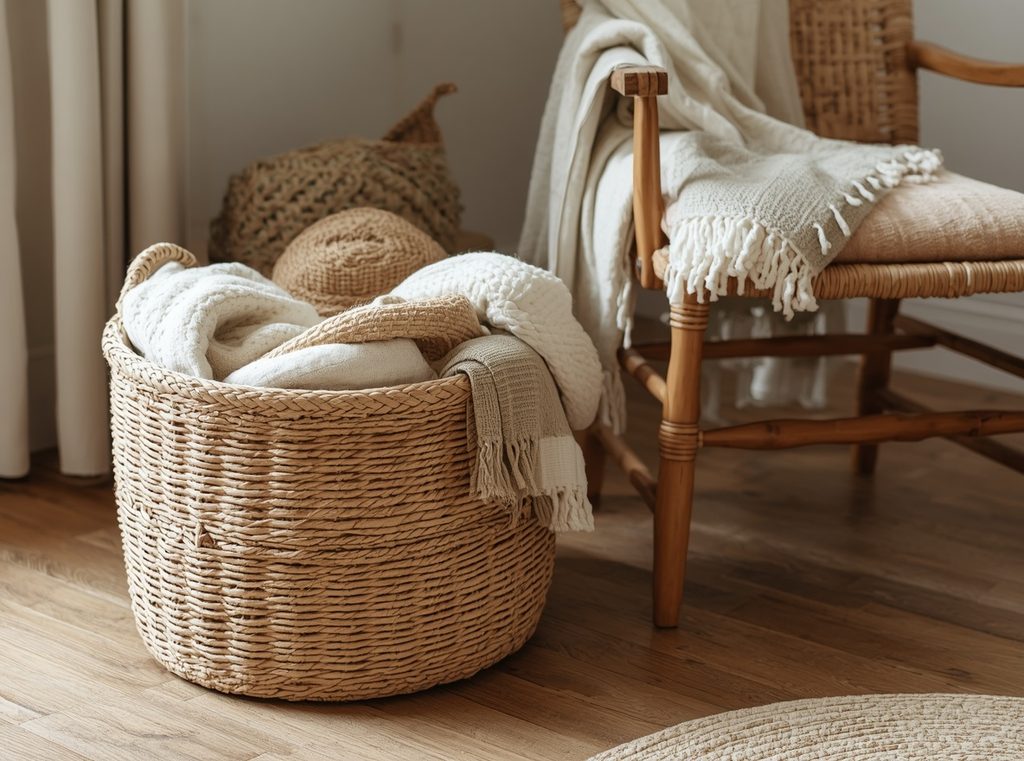
Woven baskets are one of those rare things that are practical and actually make a room look better.
Use them for blankets, toys, laundry, extra towels or whatever else tends to collect in piles.
Natural fibres add texture without introducing another colour or pattern, which makes them especially useful in calmer spaces.
9. Bring in natural scents
The way a home smells has a huge effect on how it feels.
Instead of very sweet or artificial fragrances, try scents that remind you of the outdoors.
Cedar, pine, eucalyptus, lavender, citrus and herbs can all make a room feel fresher and more grounded.
This can be as simple as simmering citrus peels and herbs on the stove, clipping some eucalyptus or lighting a candle with a subtle woodsy scent.
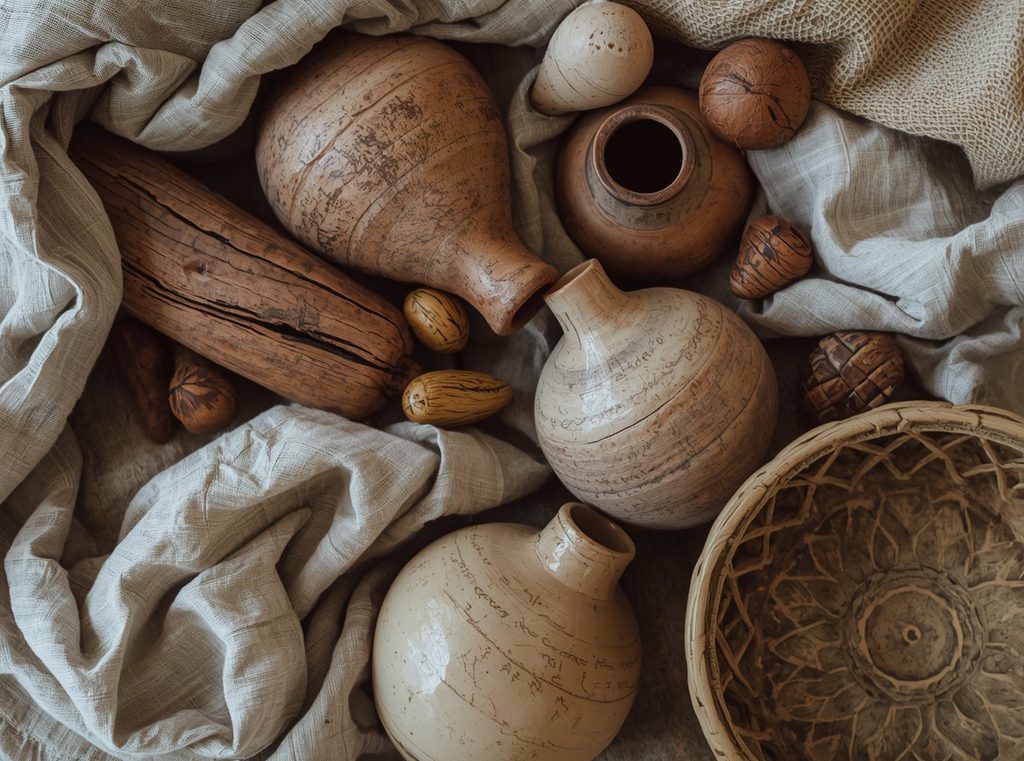
10. Choose pottery with a handmade feel
Perfectly identical dishes and decor can sometimes make a room feel a little flat.
Handmade or handmade-looking pottery adds tiny irregularities that make things more interesting.
A slightly uneven mug, textured vase or simple ceramic bowl can bring in that same imperfect quality you find in nature.
Thrift stores are especially good places to find pieces like this without spending much.
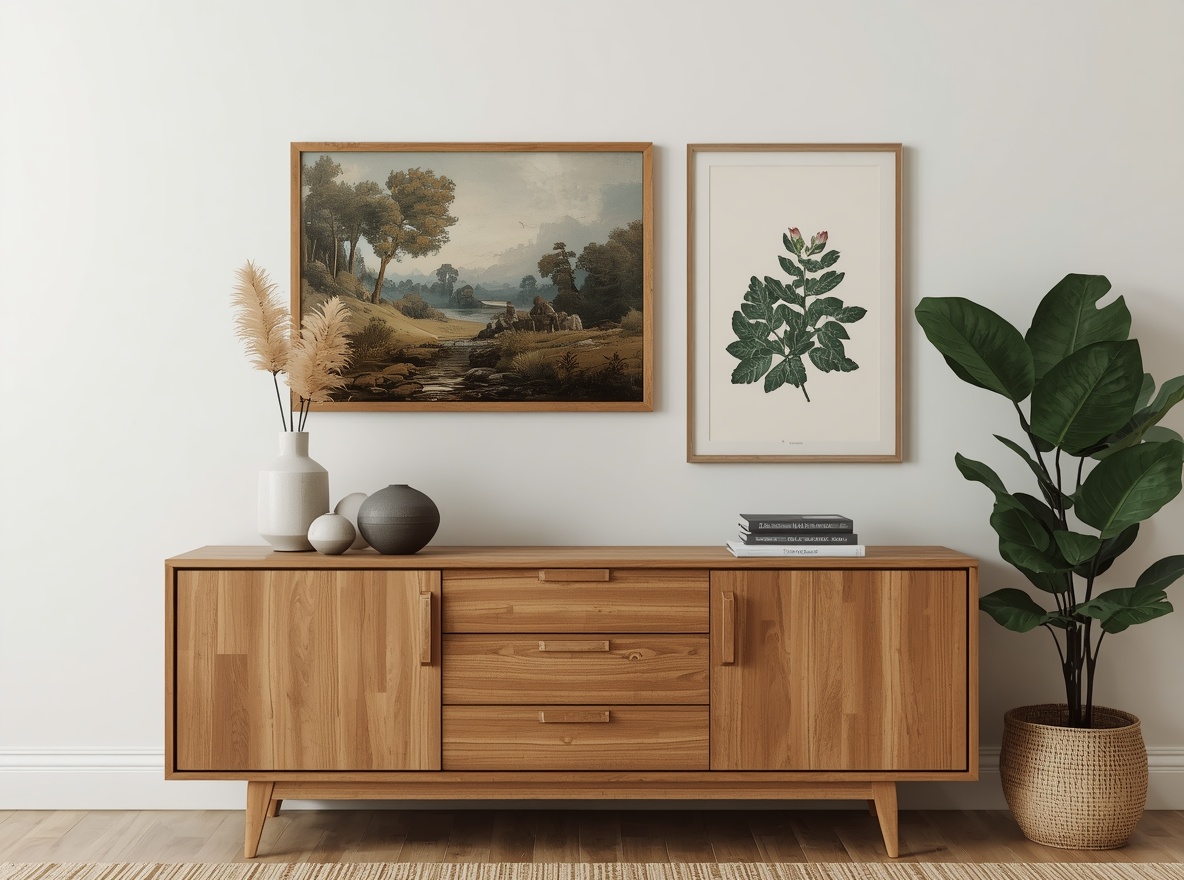
11. Use landscape and botanical art
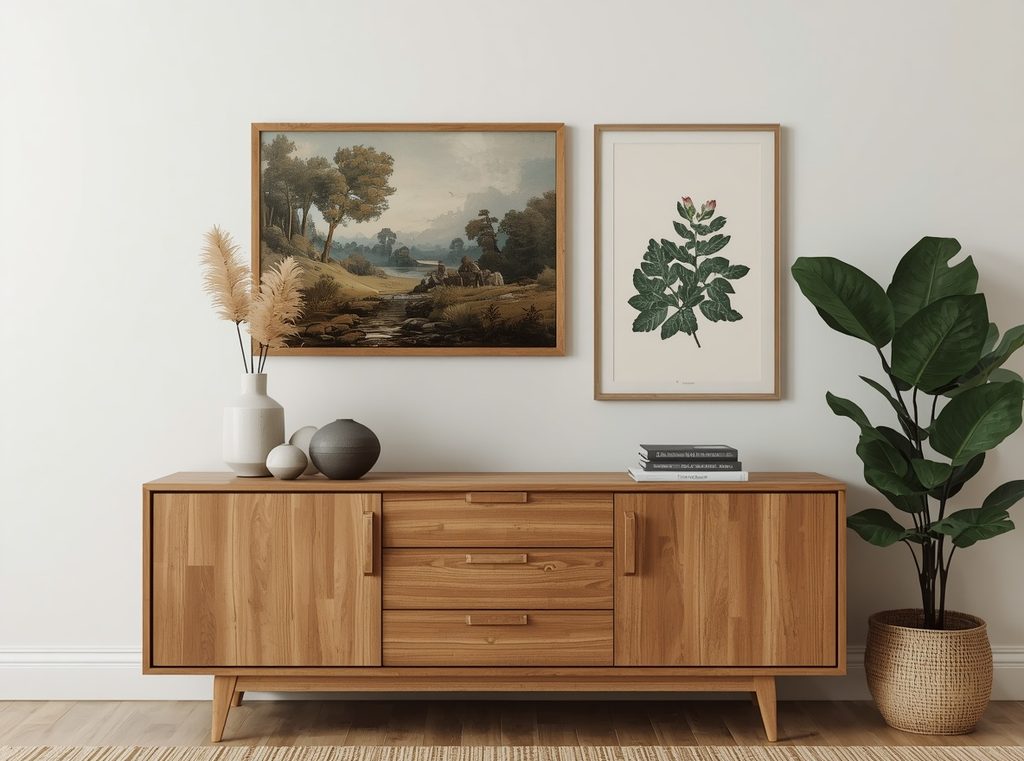
If you cannot look out the window and see trees, bringing them onto the walls is the next best thing.
Vintage botanical prints, old landscape paintings, pressed plants and nature photography all work beautifully.
You do not need a huge gallery wall. One larger landscape or a pair of simple botanical prints can completely change the mood of a room.
12. Open the windows
This sounds almost too obvious, but we forget to do it.
When the weather allows, open a window and let the outside air move through the house.
You will hear birds, leaves, rain, lawnmowers and probably someone’s dog barking three houses away.
It might not all be peaceful, but it makes the house feel part of the world outside instead of completely sealed off from it.
13. Decorate with the seasons
You do not need bins of seasonal decor to make your home feel connected to the time of year.
Use what is naturally around you instead.
Branches and blossoms in spring. Garden flowers in summer. Dried grasses and leaves in fall. Evergreen clippings in winter.
It feels subtler and usually much more beautiful than changing every pillow and sign in the house four times a year.
14. Use materials that age well
Nature is not perfectly smooth, and your home does not have to be either.
Leather that softens, wood that develops marks, brass that changes colour and linen that gets more relaxed over time all bring a sense of age and character into a space.
Instead of asking whether something will stay looking brand new forever, it can be more useful to ask whether it will still look good once it does not.
15. Leave room to notice the natural things
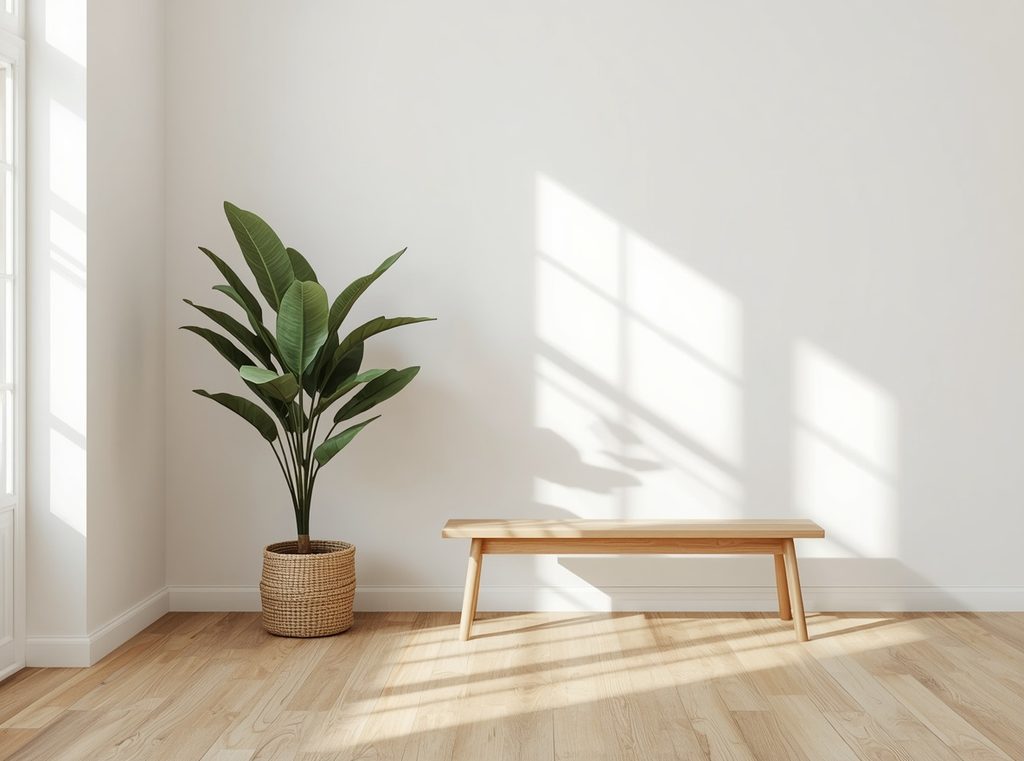
You can bring home all the branches, baskets and plants you want, but if every surface is packed, none of them really stand out.
Nature tends to feel calming because there is space around it.
Leave a little empty room on a table. Let one branch be the only thing on a console. Put one plant in a corner instead of surrounding it with several smaller objects.
The quieter the background is, the more noticeable those natural elements become.
You probably need less than you think
A home does not need to look rustic or botanical to feel connected to nature.
Usually the simplest changes work best.
Open the window. Bring in a branch. Choose wood instead of plastic when it makes sense. Let the sunlight in. Keep something alive on the windowsill.
Those small things have a way of making a home feel softer and more grounded without making it feel decorated.
And maybe that is the point. Nature rarely looks styled. It just belongs there.