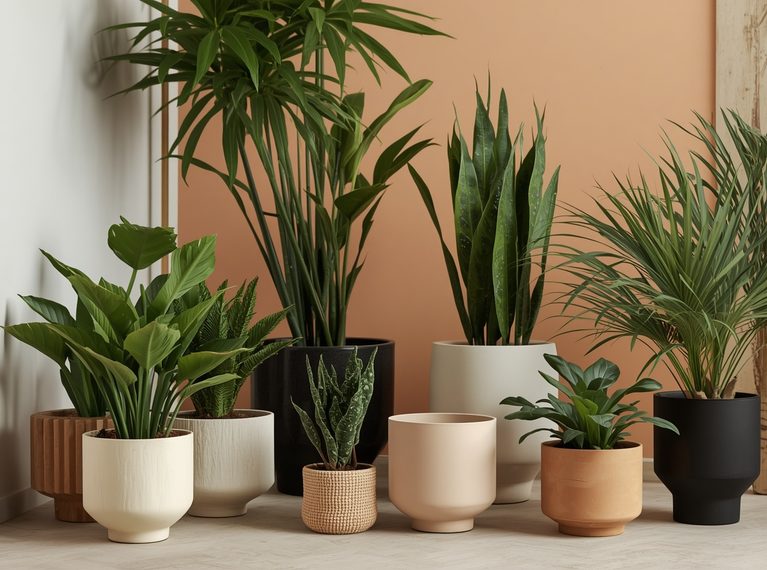

Every one of these has survived me at some point, which is the only qualification that actually matters for a beginner list.
Most “easy houseplant” lists are written by people who’ve never really struggled with plants, so they skip the part that actually determines whether a beginner keeps a plant alive: what happens when you forget to water it for three weeks, or put it somewhere darker than it wants. These fifteen are the ones that forgive that.
For each one I’ve included the light it actually needs, roughly how often to water it, and the single care note that matters most, because that’s usually the one thing that determines whether it thrives or just survives.
What makes a houseplant beginner-friendly
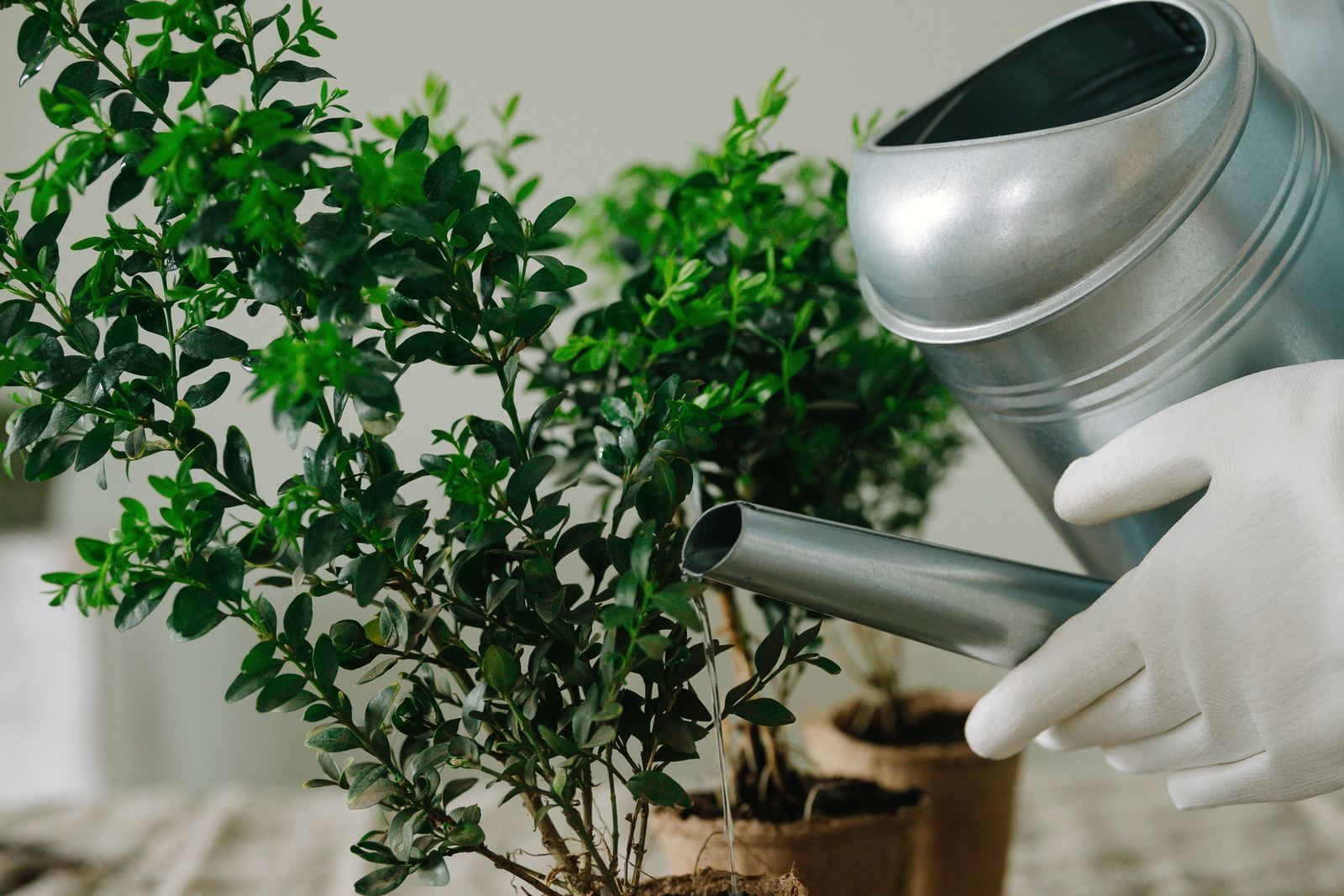
It isn’t just about surviving neglect, though that helps. A genuinely beginner-friendly plant tolerates a range of light rather than demanding one exact spot, forgives an inconsistent watering schedule while you’re still learning what “thirsty” looks like, and gives you some kind of visible warning, drooping leaves, pale new growth, before it’s actually dying rather than after.
I’ve also left off anything that’s easy to keep alive but genuinely toxic to cats, dogs or curious toddlers without a clear warning, since “easy” should mean easy for your whole household, not just the plant.
The 15 easiest houseplants
1. Pothos (Epipremnum aureum)
Light: Low to bright indirect. Water: When the top two inches of soil are dry, roughly every 1-2 weeks. The one thing that matters: It tells you when it’s thirsty by drooping dramatically, then perks back up within hours of a drink, which makes it almost impossible to kill by underwatering.
2. Snake plant (Dracaena trifasciata)
Light: Almost anything, including dim corners. Water: Every 3-4 weeks, less in winter. The one thing that matters: Overwatering is the only real way to kill it. When in doubt, wait another week.
3. ZZ plant (Zamioculcas zamiifolia)
Light: Low to medium indirect. Water: Every 2-3 weeks. The one thing that matters: It stores water in thick rhizomes under the soil, so it genuinely prefers being forgotten to being fussed over.
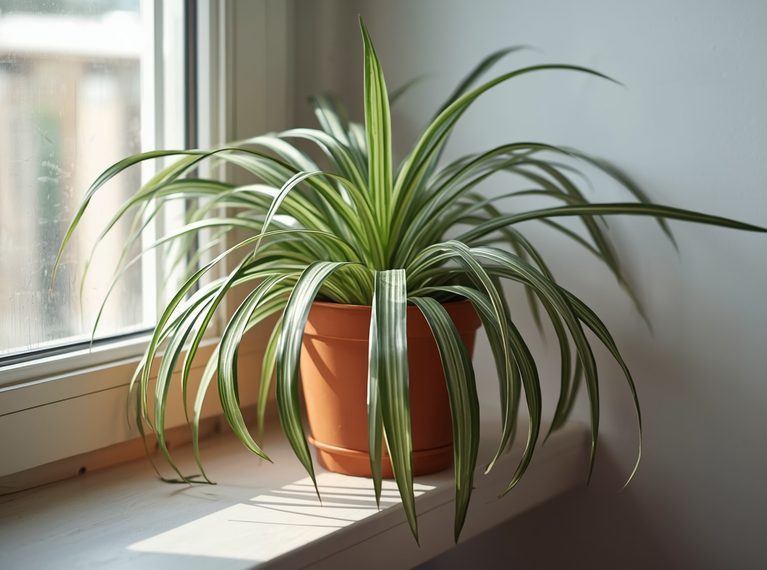
4. Spider plant (Chlorophytum comosum)
Light: Bright indirect, tolerates some low light. Water: Weekly, when the top inch of soil dries out. The one thing that matters: Brown tips usually mean tap water minerals, not a serious problem. Switching to filtered water fixes it if it bothers you.
5. Peace lily (Spathiphyllum)
Light: Low to medium indirect. Water: Weekly, or when it visibly droops. The one thing that matters: It’s one of the few plants that tells you exactly when it needs water by wilting, then recovers fully within an hour once watered.
6. Heartleaf philodendron
Light: Low to bright indirect. Water: When the top two inches are dry, roughly weekly. The one thing that matters: It’s a genuinely fast, forgiving grower, so a mistake this month is usually gone under new growth within a few weeks.
7. Cast iron plant (Aspidistra elatior)
Light: Low light, tolerates deep shade. Water: Every 2-3 weeks. The one thing that matters: It’s slow-growing, so don’t judge it against faster plants. Slow is normal, not a sign something’s wrong.
8. Chinese evergreen (Aglaonema)
Light: Low to medium indirect. Water: When the top inch is dry, roughly weekly. The one thing that matters: It genuinely dislikes cold draughts more than low light, so keep it away from a draughty window in winter.
9. Dracaena (corn plant or marginata)
Light: Medium indirect, tolerates lower light. Water: Every 2-3 weeks. The one thing that matters: Brown leaf tips almost always mean it’s been overwatered or the water has too much fluoride, not that it’s dying.
10. Rubber plant (Ficus elastica)
Light: Medium to bright indirect. Water: When the top two inches are dry, roughly every 1-2 weeks. The one thing that matters: Wipe the leaves occasionally. Dust genuinely reduces how well it can photosynthesise, and clean leaves visibly perk it up.
11. Peperomia
Light: Medium indirect. Water: Every 1-2 weeks, letting it dry out between. The one thing that matters: The thick leaves store water, so it’s far more likely to suffer from too much watering than too little.
12. Chinese money plant (Pilea peperomioides)
Light: Bright indirect. Water: When the top inch is dry, roughly weekly. The one thing that matters: Rotate it a quarter turn each week or it leans hard toward the light source and grows lopsided.
13. Jade plant (Crassula ovata)
Light: Bright, some direct sun. Water: Every 2-3 weeks, less in winter. The one thing that matters: Treat it like a succulent, not a regular houseplant. Soggy soil is the only thing that reliably kills it.
14. English ivy
Light: Medium indirect. Water: Weekly, keeping soil lightly moist. The one thing that matters: It likes more humidity than most of this list. A bathroom with a window, or an occasional misting, keeps it looking its best.
15. Parlor palm (Chamaedorea elegans)
Light: Low to medium indirect. Water: Weekly, keeping soil lightly moist but never soggy. The one thing that matters: It’s genuinely one of the few palms that tolerates low light well, which is usually where palms struggle most indoors.
Matching a plant to your light
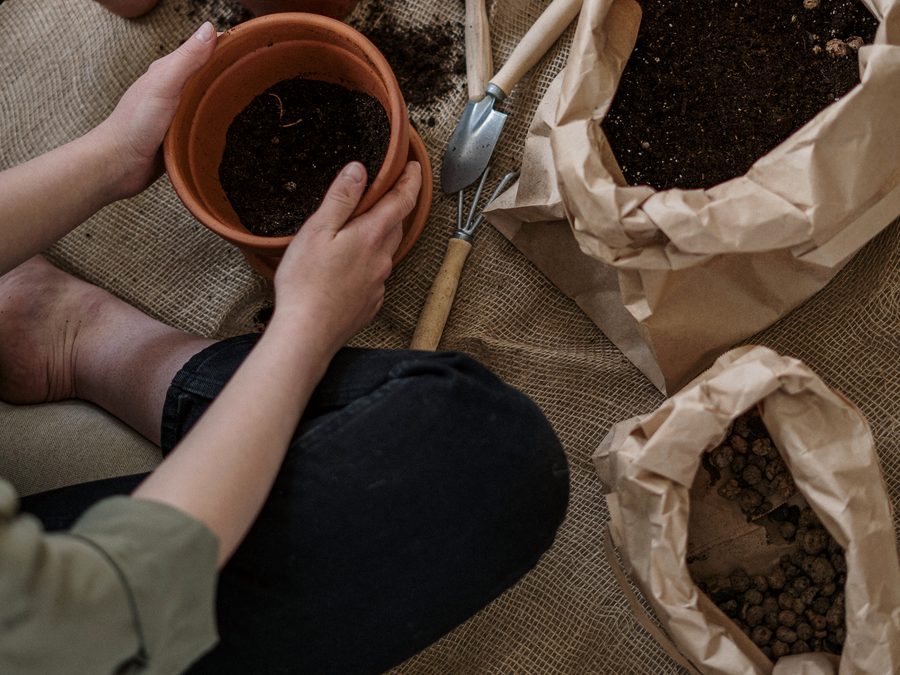
Most beginners overestimate how bright their home actually is. A useful test: if you can read comfortably without turning on a lamp during the day, that’s medium light. If your hand casts a sharp, defined shadow on a wall a few feet from the window, that’s bright indirect light. A north-facing room, or any spot more than six feet from a window, is low light, which is where the snake plant, ZZ plant and cast iron plant on this list genuinely thrive rather than merely survive.
If you’re not sure, it’s safer to start with a low-light-tolerant plant and move it somewhere brighter later than to put a light-hungry plant in a dim room and watch it slowly decline.
How to not kill them in month one
The single biggest killer of new houseplants isn’t neglect, it’s attention. New plant owners tend to water on a fixed schedule regardless of whether the soil actually needs it, which drowns roots long before thirst would ever become a problem. Stick a finger into the soil up to the first knuckle before watering anything on this list. If it’s still damp, leave it.
Second most common mistake: repotting immediately. A plant that’s just arrived from a shop or delivery is already stressed from the move. Give it two to four weeks to settle into your home’s light and humidity before doing anything else to it, repotting included.
Mistakes to avoid
- Watering on a schedule instead of checking the soil. “Every Sunday” works for some plants and drowns others. Check first.
- Choosing a pot with no drainage hole. Even the most forgiving plant on this list will eventually rot in standing water.
- Panicking over one yellow leaf. Older leaves yellow and drop naturally as a plant grows. It’s only a problem if it’s happening to several leaves at once, quickly.
- Fertilising a struggling plant. Fertiliser feeds growth, it doesn’t fix stress. A plant that’s already unhappy needs stable conditions first, not food.
Where to put each one
Darkest corners and windowless bathrooms: snake plant, ZZ plant, cast iron plant.
North-facing rooms and desks away from windows: pothos, heartleaf philodendron, Chinese evergreen, dracaena, parlor palm.
Bright rooms without direct sun: spider plant, peace lily, rubber plant, peperomia, Chinese money plant, English ivy.
Sunny windowsills: jade plant, and most of the above will also tolerate a few hours of gentle morning sun.
Frequently asked questions
What’s the single easiest houseplant to start with?
Pothos, for most people. It tolerates a wide range of light, tells you clearly when it needs water by drooping, and recovers within hours once you water it, which makes the learning curve very forgiving.
Why do people say snake plants and ZZ plants are impossible to kill?
Both store water in their leaves or underground rhizomes, so they’re built to survive long dry spells. The only real way to kill either is consistent overwatering, which is why they suit people who tend to forget about their plants rather than fuss over them.
How do I know if a plant is dying versus just adjusting?
A little yellowing on one or two older, lower leaves after a move is normal adjustment. Multiple leaves yellowing or dropping quickly, soft or mushy stems, or a sudden total collapse are signs of a real problem, usually overwatering.
Do beginner houseplants need fertiliser?
Not immediately. Most nursery plants come in soil with enough nutrients for several months. Once a plant is established and actively growing, a diluted balanced fertiliser during spring and summer is plenty for anything on this list.