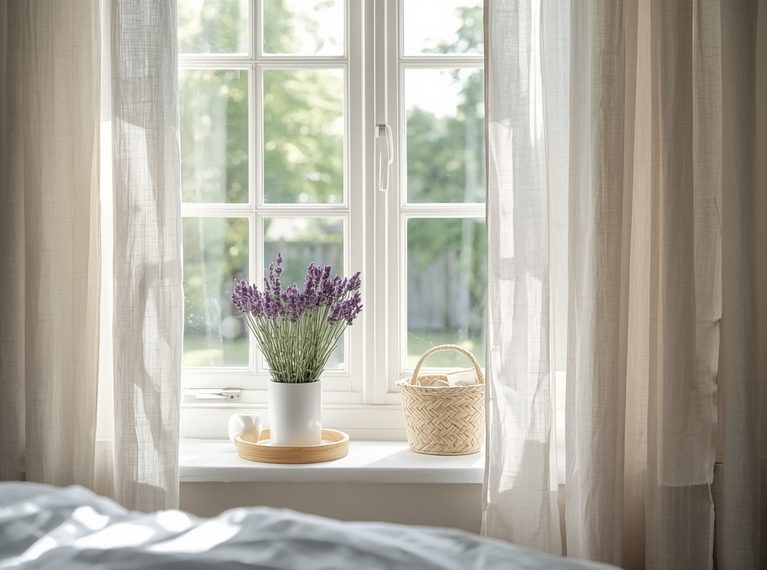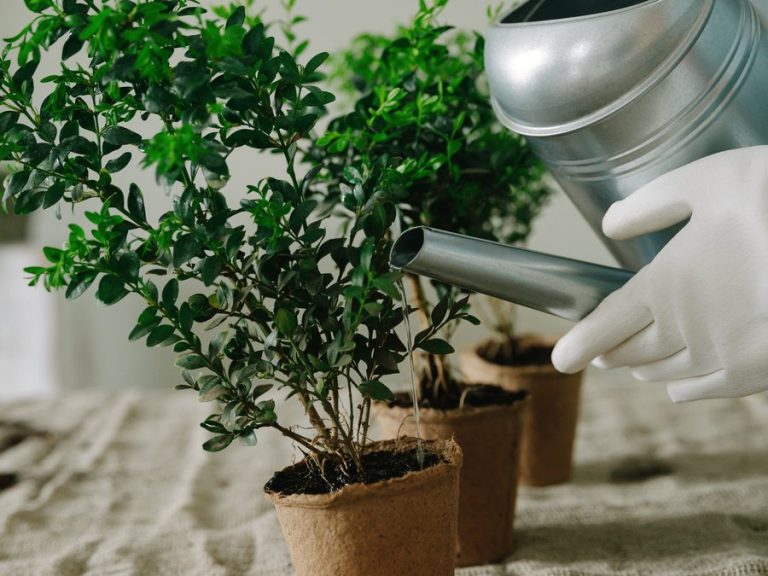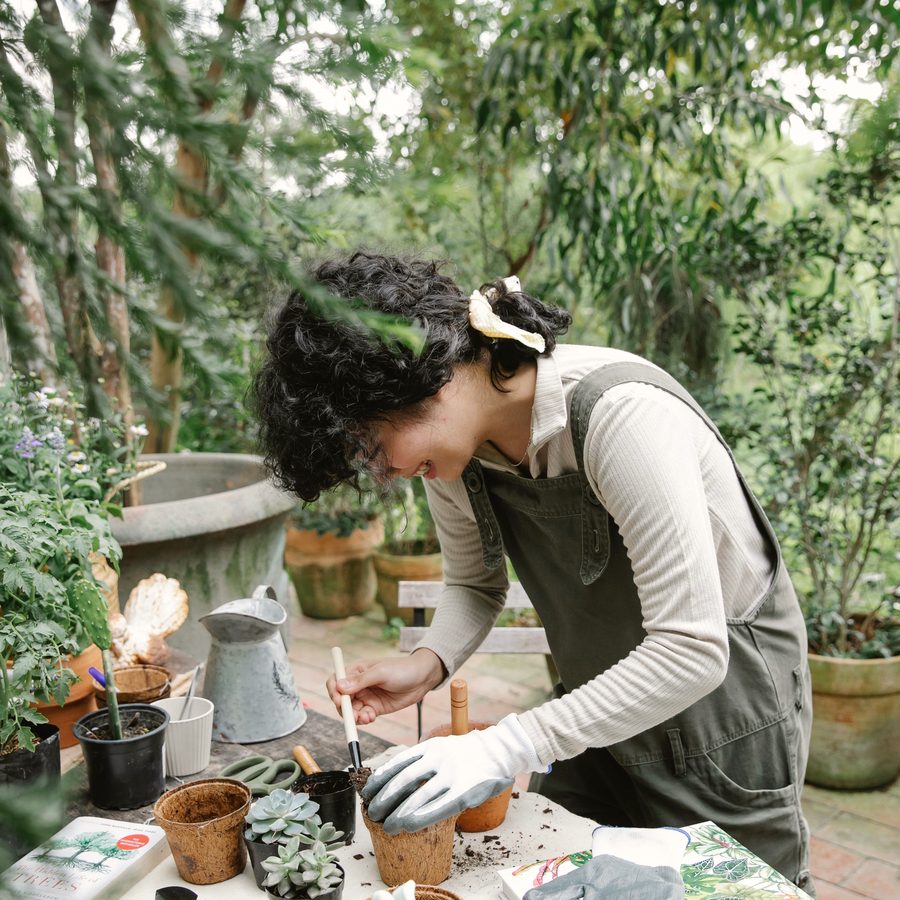

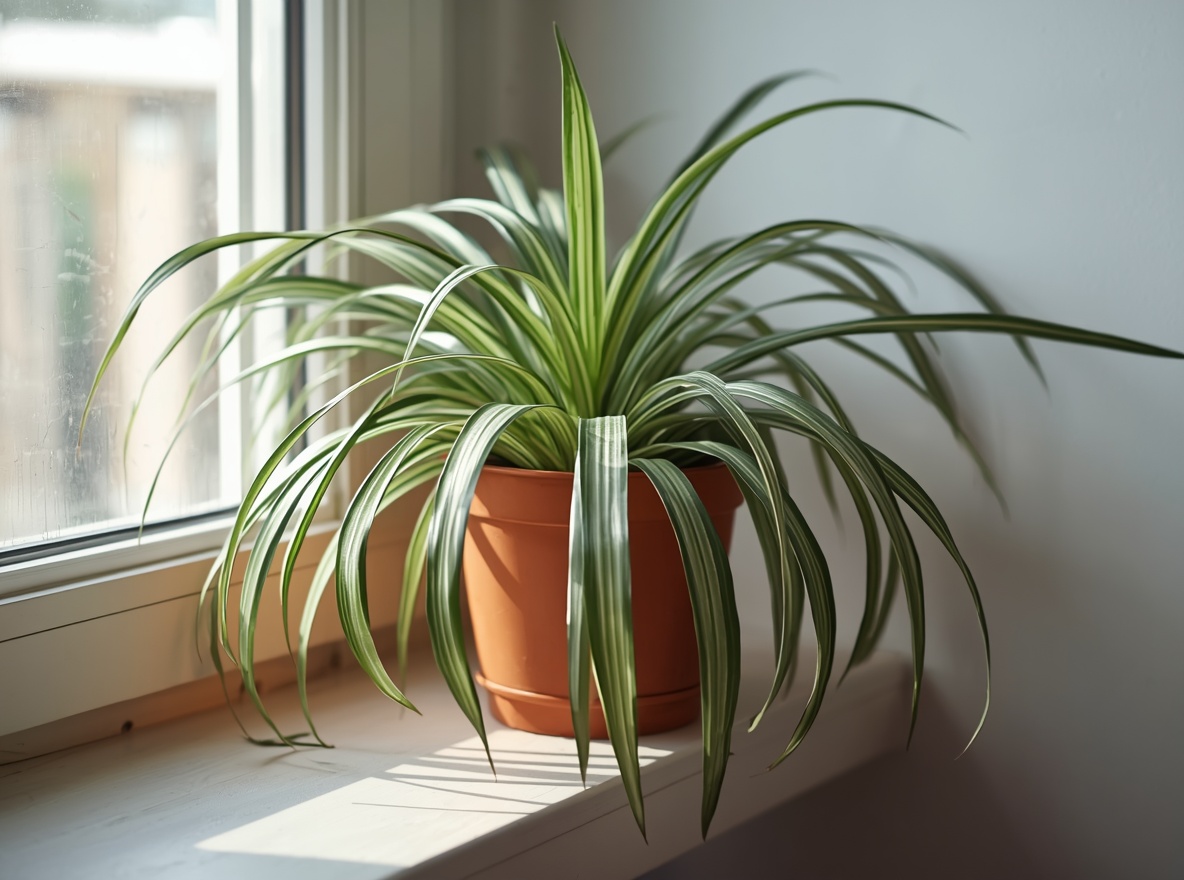
Not every room gets beautiful bright light, and that does not mean you have to give up on houseplants.
Some plants are much more tolerant of dim conditions than others, especially if they evolved under tree canopies or in places where direct sun is limited. The important thing is being realistic about what low light actually means.
Low light is not the same as no light. A plant still needs enough natural or artificial light to grow, but it may be perfectly happy several feet from a window or in a room that never gets direct sun.
If you have a darker bedroom, hallway, office or living room, these are some of the best plants to try.
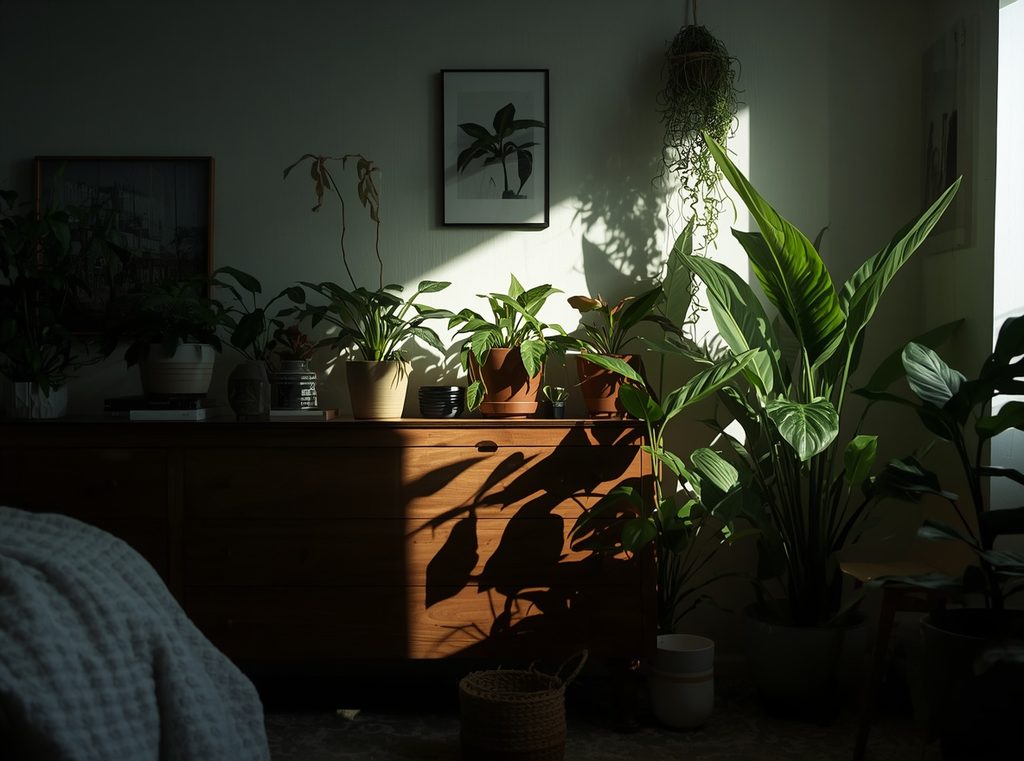
1. ZZ Plant
ZZ plants are one of the most dependable choices for low-light rooms. Their thick glossy leaves hold moisture well, and they grow slowly enough that they do not need constant attention.
They can tolerate surprisingly dim conditions, although they will still grow better with brighter indirect light. Let the soil dry well between waterings, because overwatering is much more likely to cause problems than low light.
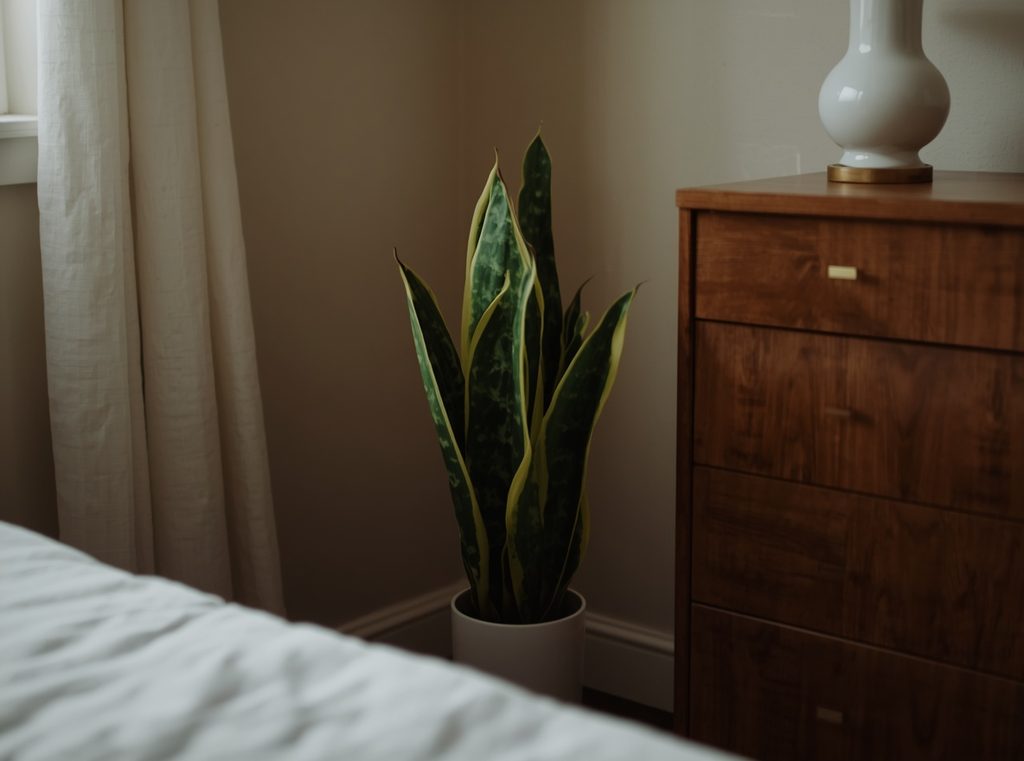
2. Snake Plant
Snake plants are another classic choice for darker rooms. Their upright leaves take up very little space, which makes them especially good for narrow corners, bedrooms and small offices.
They handle low light better than many common houseplants and prefer to dry out between waterings. They are also slow-growing, so you do not have to repot or trim them very often.
3. Pothos
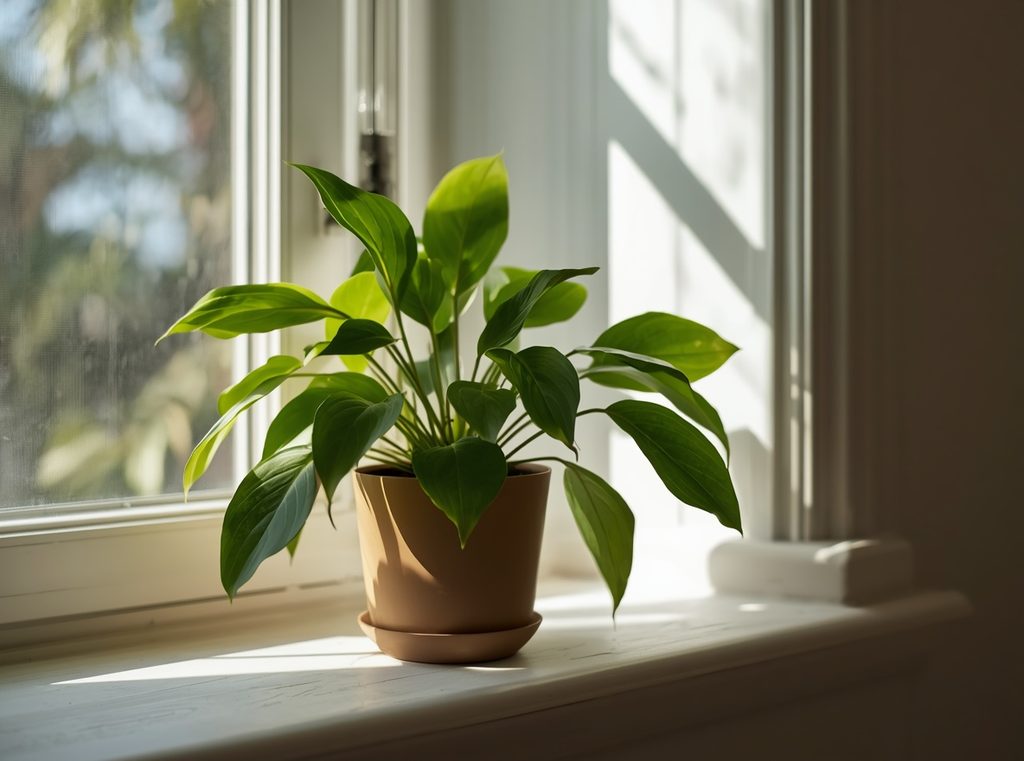
Pothos is one of the easiest trailing plants to keep indoors, and it is very forgiving about light.
In lower light, the vines may grow more slowly and variegated varieties may lose some of their pattern, but the plant can still do well. Place it on a shelf or dresser and let the vines trail naturally.
If it starts getting too leggy, trim it back and propagate the cuttings in water.
4. Heartleaf Philodendron
Heartleaf philodendron is very similar to pothos in both appearance and care. It has soft heart-shaped leaves and trailing vines that work well in darker rooms.
It prefers bright indirect light but adapts well to medium and lower light. Water once the upper portion of the soil has dried and avoid keeping it constantly wet.
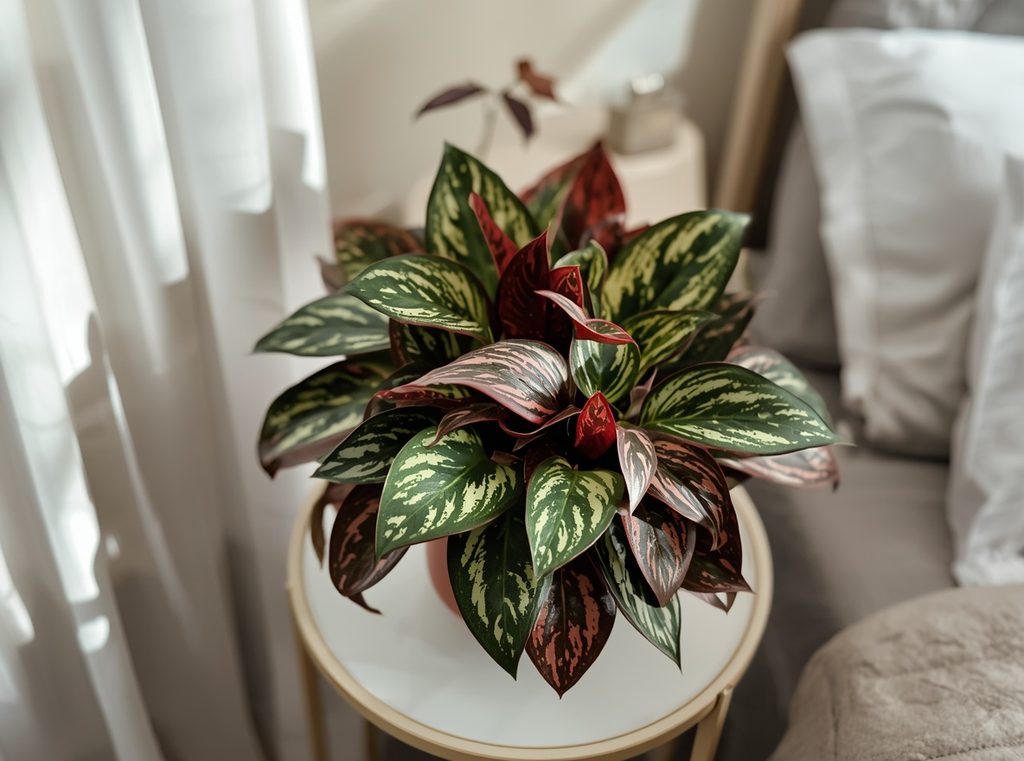
5. Chinese Evergreen
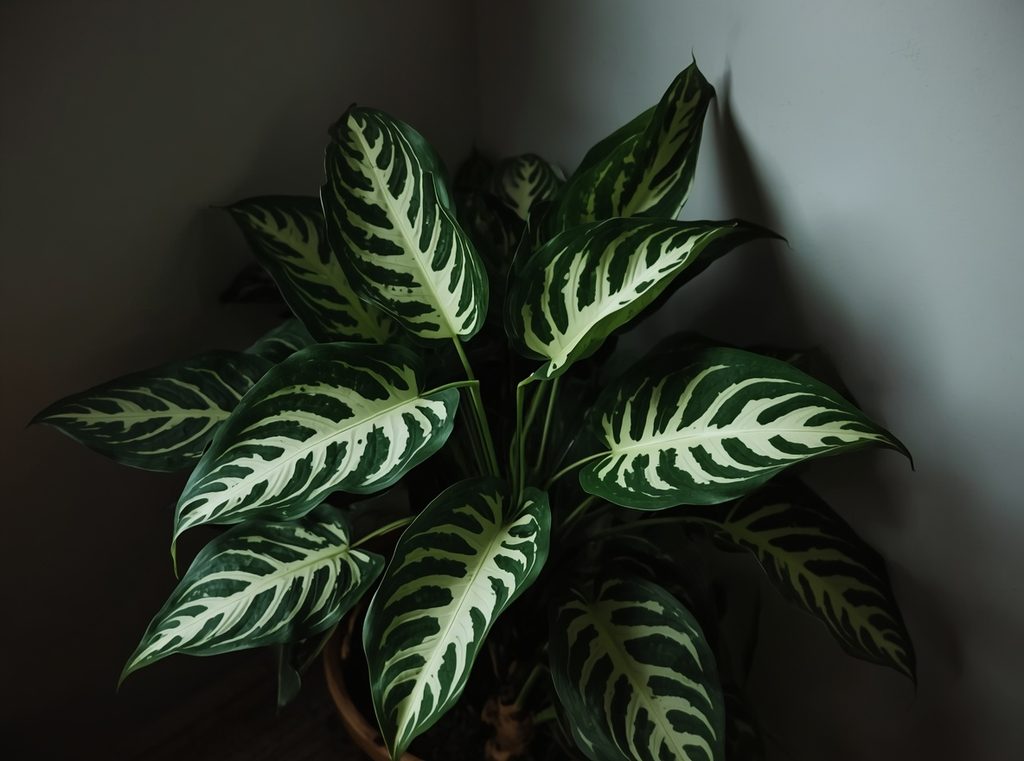
Chinese evergreen is a great option if you want a little more colour than a basic green plant. Depending on the variety, the leaves can have silver, cream, pink or soft green patterns.
It handles lower light well and does not need frequent watering. Keep it away from cold drafts and let the top of the soil dry before watering again.
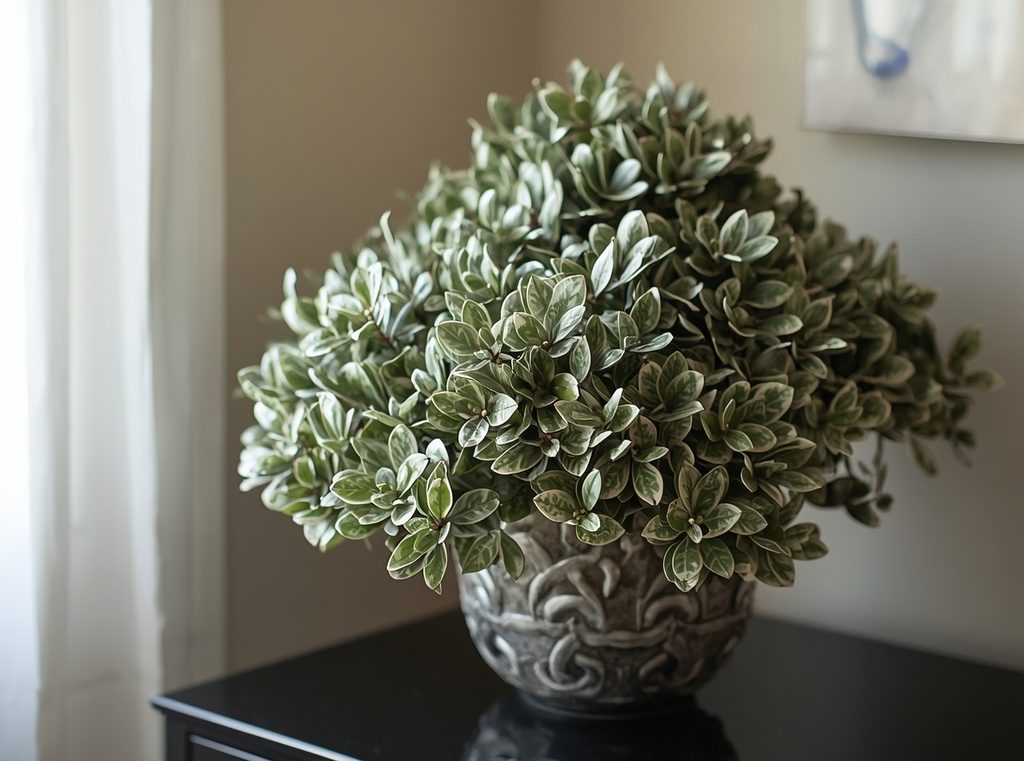
6. Cast Iron Plant
The name is pretty accurate. Cast iron plants are tough, slow-growing and incredibly tolerant of imperfect conditions.
They can handle low light, inconsistent watering and temperature changes better than many houseplants. Their long dark green leaves also give them a simple, almost architectural look.
If you want a plant for a dim room that you do not want to think about constantly, this is a good one.
7. Peace Lily
Peace lilies are known for tolerating lower light, although they will usually bloom more reliably with brighter indirect light.
The foliage stays attractive even when there are no flowers, and the plant is very good at showing when it is thirsty because the leaves begin to droop noticeably.
They prefer soil that stays slightly more consistent in moisture than plants like snake plants or ZZ plants.
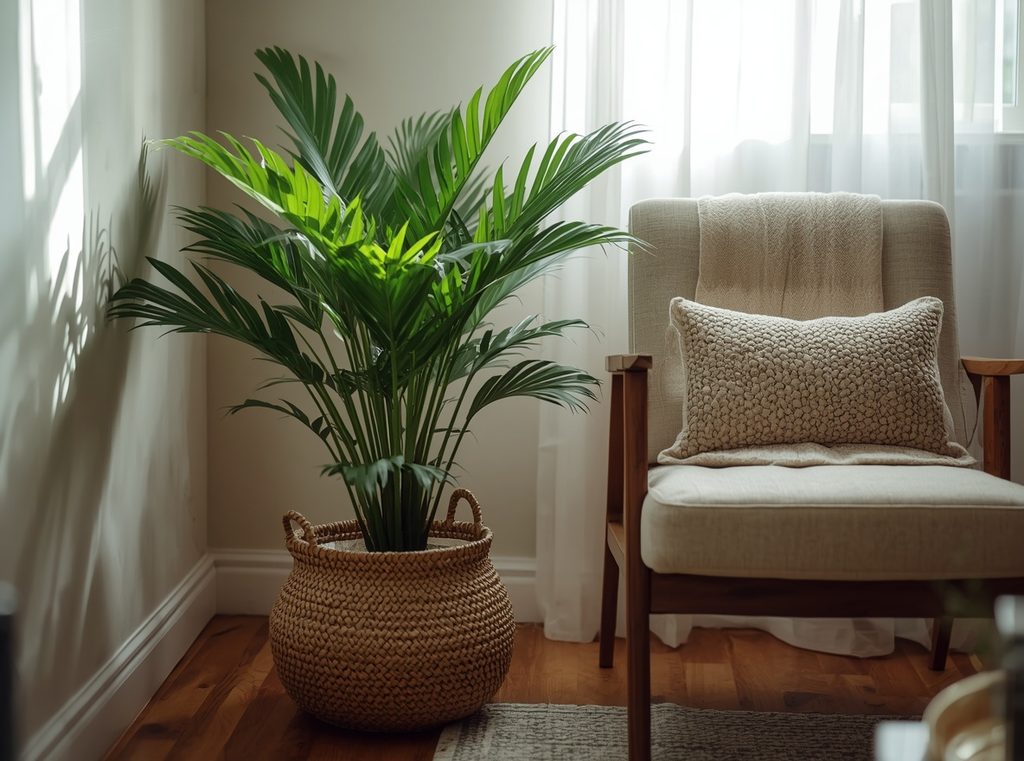
8. Parlor Palm
Parlor palms have been grown indoors for generations because they adapt well to relatively low light.
The feathery leaves add softness and height without taking up too much visual space, which makes them especially nice in living rooms and bedrooms.
Keep the soil lightly moist but not soggy, and avoid putting the plant directly beside heating vents or cold windows.
9. Dracaena
Dracaenas come in a lot of different shapes and sizes, from tall cane-like plants to compact varieties with striped leaves.
Many of them tolerate lower light well, although growth will be slower. They are especially useful if you want a taller floor plant for a room without strong sun.
Let the upper part of the soil dry between waterings and avoid leaving them in constantly wet soil.
10. Lucky Bamboo
Lucky bamboo is actually a type of dracaena, not true bamboo, but it is one of the easiest plants to keep in dim rooms.
It can grow in water or soil and prefers indirect light. If you keep it in water, refresh the water regularly and make sure the roots stay submerged.
It works especially well in offices and bathrooms where you want something compact and simple.
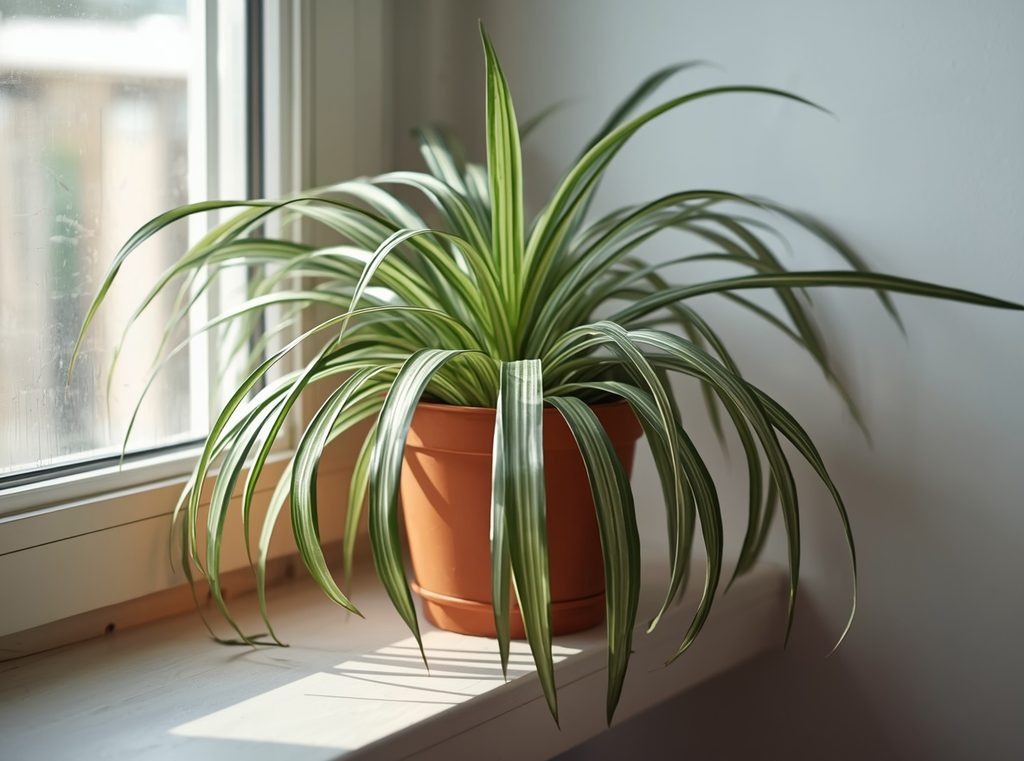
11. Spider Plant
Spider plants prefer brighter indirect light, but they are adaptable enough to tolerate lower-light conditions.
They may grow more slowly and produce fewer baby plants in a dim room, but they are still a good option if you want something soft and grassy-looking.
Water when the top of the soil begins to dry and trim away any brown tips as needed.
12. Boston Fern
Boston ferns can work in lower light as long as the room is not completely dark and the humidity is decent.
They are a little more demanding than snake plants or pothos because they prefer consistent moisture and do not love very dry air.
If you have a shaded bathroom with a window, this can actually be a great place for one.
13. Bird’s Nest Fern
Bird’s nest ferns have broad wavy leaves rather than the fine fronds most people picture when they think of ferns.
They tolerate lower light and enjoy slightly humid conditions, making them a good choice for bathrooms or kitchens with indirect light.
Keep the soil slightly moist and avoid pouring water directly into the centre of the plant where new leaves emerge.
14. Prayer Plant
Prayer plants have patterned leaves that fold slightly upward at night, which makes them one of the more interesting choices for a darker room.
They prefer medium to lower indirect light and can actually struggle if exposed to harsh direct sun.
They also appreciate humidity and more consistent moisture, so they are best if you are willing to pay a little more attention to them.
15. Calathea
Calatheas are known for dramatic patterned foliage and naturally grow in lower-light environments.
They can handle dim rooms better than many colourful houseplants, but they are not quite as forgiving when it comes to humidity and water quality.
If your home is very dry, they may develop crispy leaf edges. They are beautiful, but I would not choose one as your very first houseplant.
16. Aglaonema
Aglaonema is another name for Chinese evergreen, but there are enough varieties that it deserves its own mention when you are shopping.
Some types stay mostly green while others have dramatic pink or red markings. In very low light, greener varieties usually perform better because heavily variegated leaves need more light.
They are generally easy to care for and only need watering once the upper soil has dried.
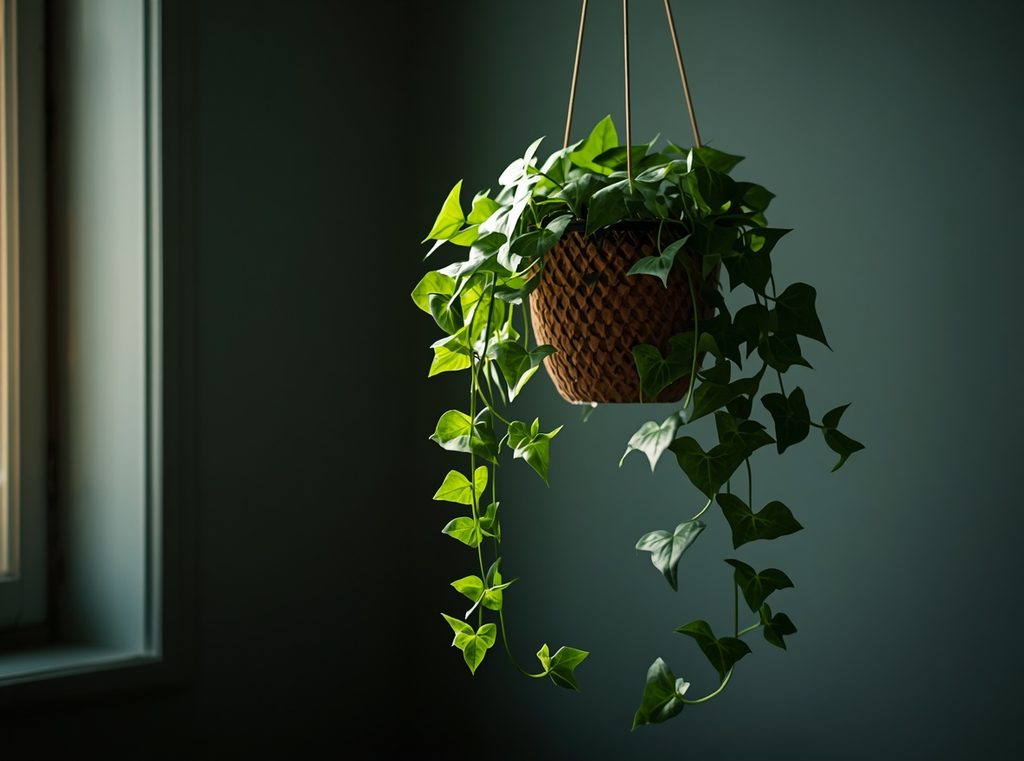
17. English Ivy
English ivy can tolerate lower light indoors, although it does best with bright indirect light and good airflow.
It works well in hanging baskets or on shelves where the vines can trail, but it tends to prefer cooler conditions and can be more prone to pests than some of the easier plants on this list.
Keep the soil lightly moist and check the leaves regularly for spider mites.
18. Dieffenbachia
Dieffenbachia has large patterned leaves and can handle medium to lower indirect light surprisingly well.
It is a good choice if you want something fuller and more dramatic than a small trailing plant. Growth may slow in dim conditions, but the foliage can still stay attractive.
Let the upper portion of the soil dry between waterings and avoid placing it somewhere with harsh direct sun.
What does low light actually mean?
Low light does not mean a windowless basement where you can barely see your hand.
In houseplant terms, it usually means a room that receives little or no direct sunlight but still has enough natural daylight that you can comfortably see during the day without turning on every light.
A north-facing room may naturally have lower light, while a south-facing room can still have dim areas several feet away from the window.
If a room is genuinely dark all day, even low-light plants will eventually struggle unless you add a grow light.
Low light does not mean no growth at all
Plants growing in dim conditions tend to grow more slowly. They may produce smaller leaves, longer spaces between leaves or fewer new shoots than the same plant would in brighter conditions.
That does not necessarily mean anything is wrong. Slower growth is often just the plant adjusting to the amount of light available.
If growth stops completely for months, leaves begin yellowing or the plant starts leaning dramatically toward the nearest window, it may be telling you the room is simply too dark.
You will probably need to water less
Plants in lower light usually use water more slowly because they are growing and photosynthesizing less.
That means one of the easiest ways to kill a low-light plant is watering it as often as the same plant sitting in bright light.
Always check the soil before watering. In a dim room, it may take much longer to dry than you expect.
A grow light can make a huge difference
If you have a room you really want to fill with plants but the natural light is genuinely poor, a small grow light can open up a lot more options.
You do not need a giant greenhouse setup. There are simple bulbs and discreet lamps that look like regular lighting and can give plants enough supplemental light to grow much more happily.
This is especially useful in bathrooms, basement offices or darker corners that get almost no useful daylight.
The easiest low-light plants to start with
If you want the shortest possible beginner list, start with a ZZ plant, snake plant, pothos or cast iron plant.
They are the most forgiving about both lower light and inconsistent care, and they do not usually need the extra humidity or attention that ferns and prayer plants prefer.
Get one of those thriving first, then you can always move on to something fussier later.
Choose the plant for the room, not the empty corner
It is tempting to buy a plant because you know exactly where it would look perfect.
But if that perfect corner gets almost no light, you will spend the next six months wondering why the plant looks increasingly miserable.
Start with the light your room actually has, then choose a plant that can handle it. A healthy pothos in a slightly imperfect spot will always look better than a struggling sun-loving plant placed somewhere purely because it matched the furniture.