
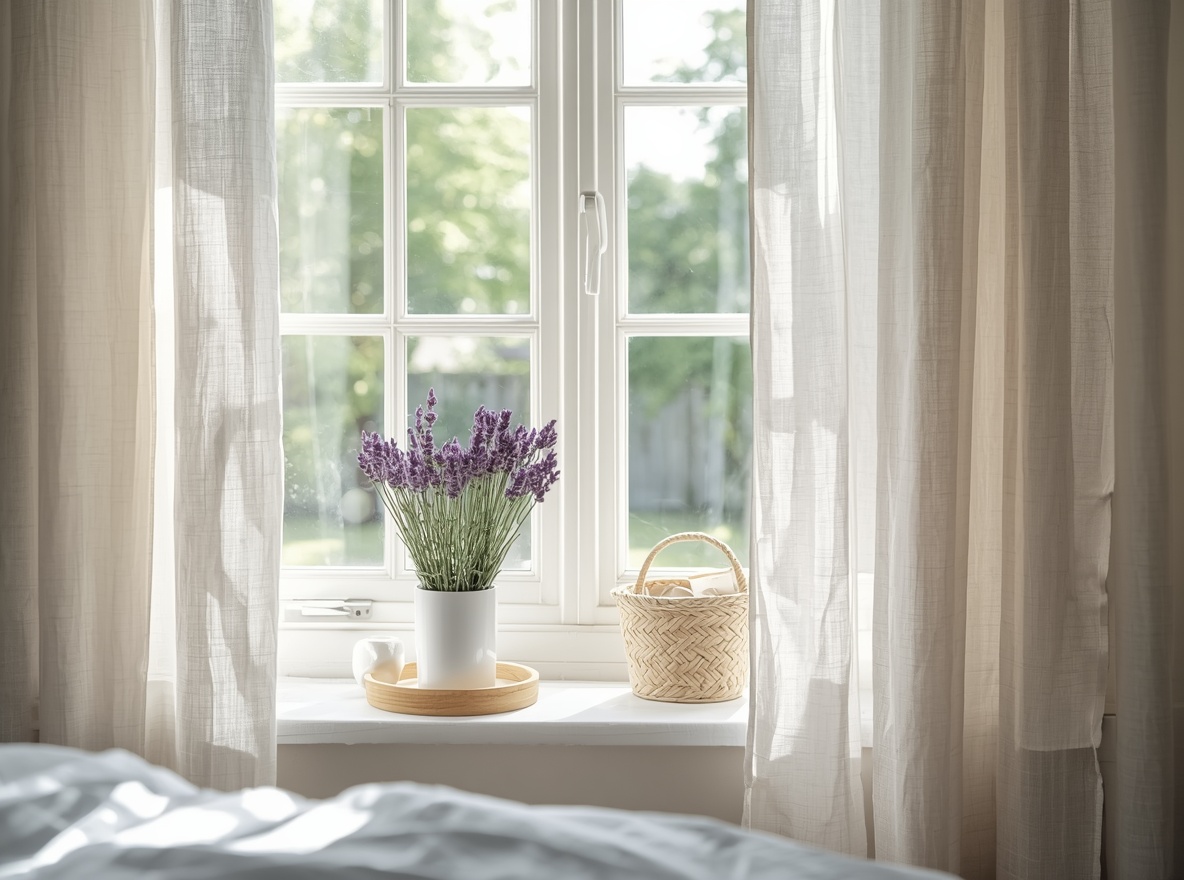
There is something about having plants in a bedroom that makes the whole space feel calmer.
Maybe it is the extra bit of green beside the bed, the softer shapes or simply having something living in a room that is otherwise full of furniture and screens. Whatever the reason, bedroom plants can make a space feel more peaceful and a little more connected to nature.
You will often see houseplants described as natural air purifiers, but that claim needs a little context. Plants can absorb some airborne compounds in laboratory studies, but research suggests you would need an unrealistic number of plants to noticeably clean the air in an average home. If cleaner indoor air is your main goal, ventilation, reducing pollution sources and using an appropriate air cleaner will make a much bigger difference.
That does not mean plants have no place in the bedroom. They can still make the room feel fresher, more relaxing and more enjoyable to spend time in, which is reason enough to have them.
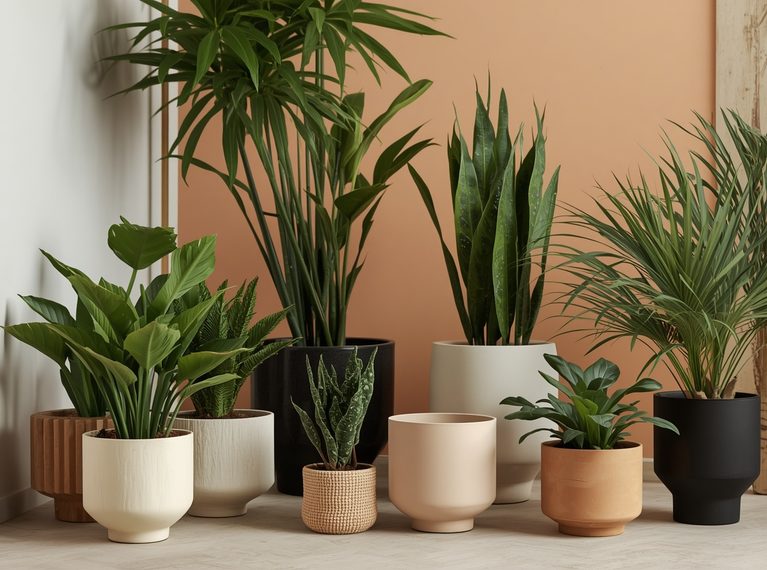
Here are 12 of the best plants for a bedroom, especially if you want something attractive, easy to live with and happy indoors.
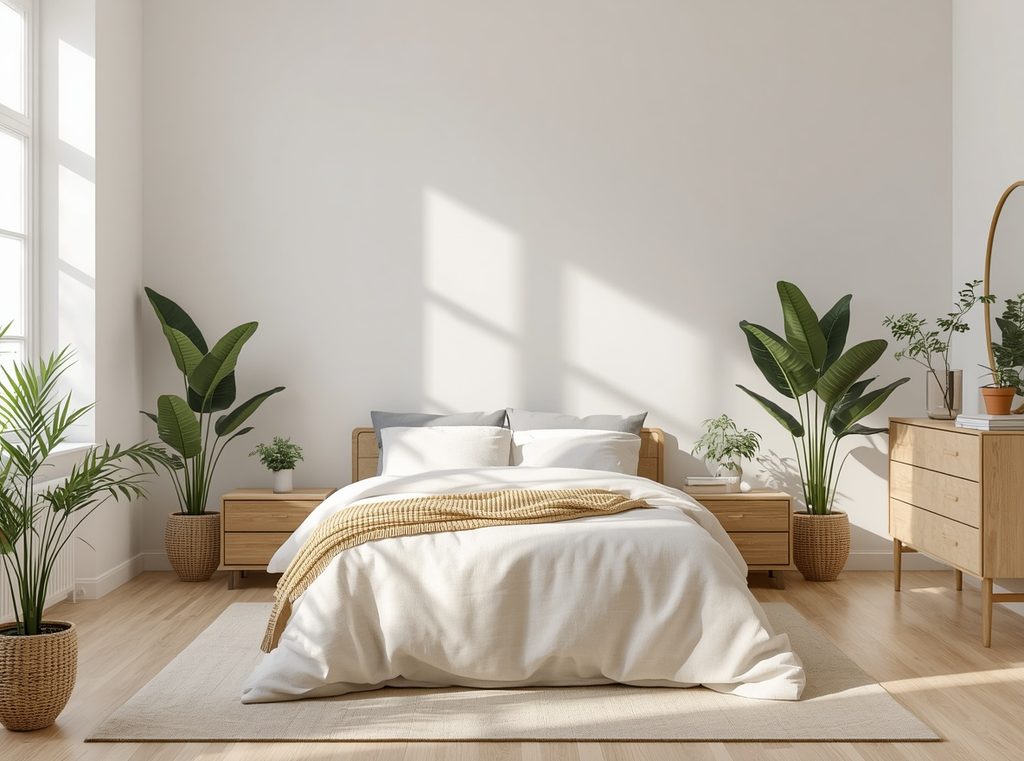
1. Snake Plant
Snake plants are one of the easiest bedroom plants because they tolerate an impressive amount of neglect. Their upright leaves take up very little floor space, so they work especially well in smaller bedrooms or on narrow nightstands and dressers.
They prefer bright indirect light but will tolerate lower light better than many houseplants. Let the soil dry between waterings, because overwatering is much more likely to cause problems than forgetting about them for a while.
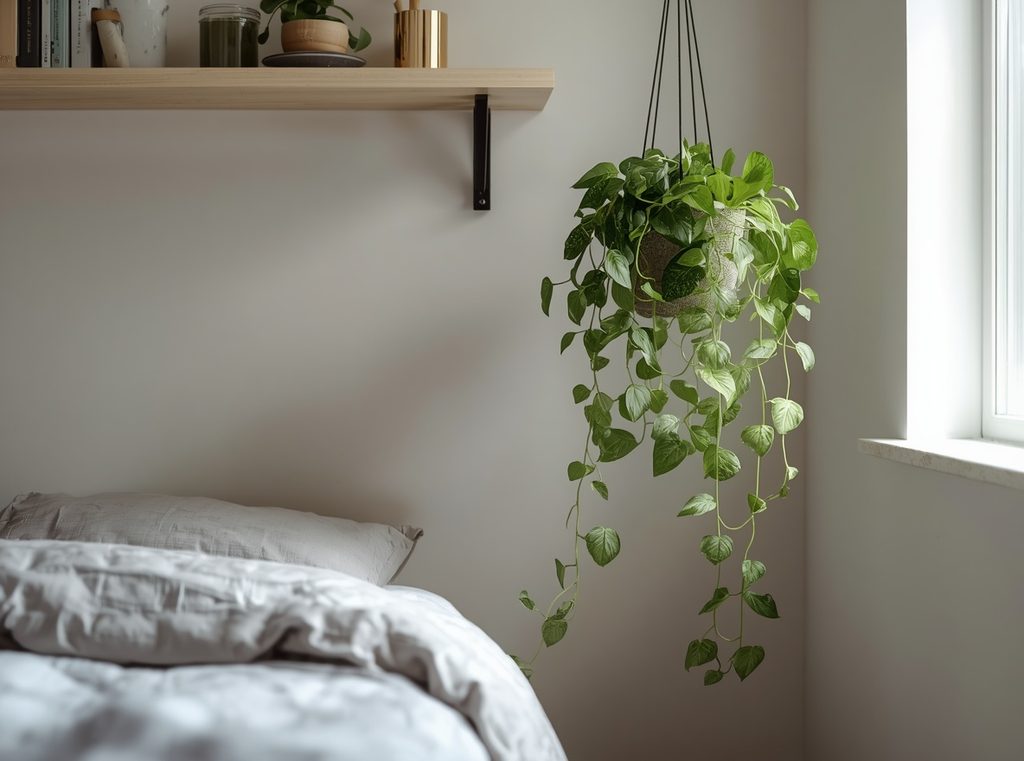
2. Pothos
Pothos is a very forgiving trailing plant and one of the easiest choices if you are not particularly confident with houseplants. It grows quickly in decent light but can tolerate lower-light bedrooms too, although growth may be slower.
Let the vines trail from a dresser, shelf or hanging planter, or trim them regularly if you prefer a fuller plant. Pothos is also incredibly easy to propagate in water, so one plant can eventually become several.
3. Spider Plant
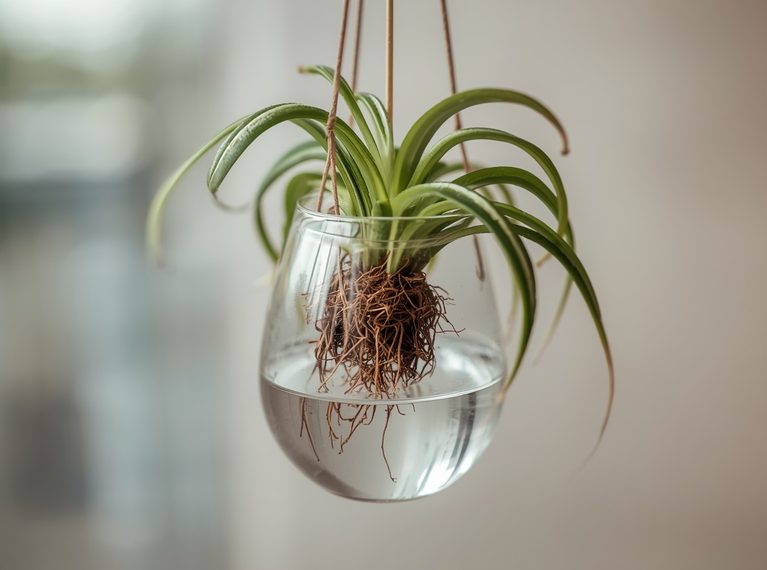
Spider plants are easygoing, fast-growing and especially good if you like plants that look a little wild rather than perfectly sculpted. Their long striped leaves arch over the sides of the pot, and mature plants often produce little baby plants on long stems.
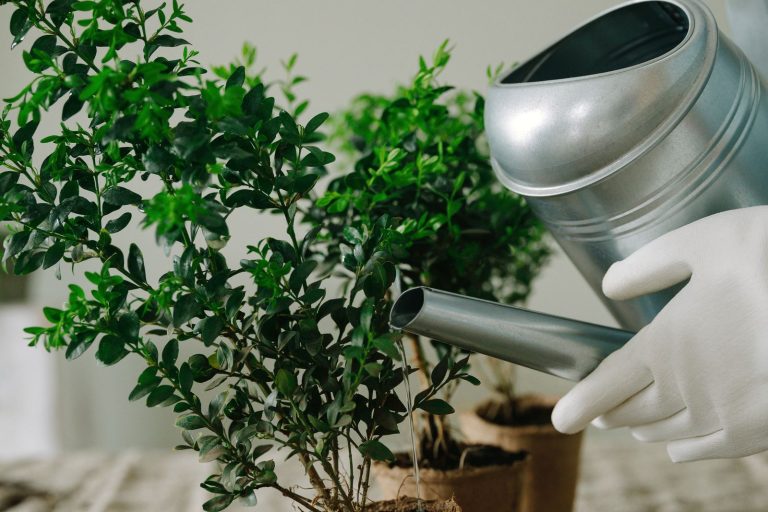
Give them bright indirect light if possible and water when the top layer of soil begins to dry. They are fairly forgiving if you are late with watering, which makes them a good choice for bedrooms that do not get a lot of attention.
4. ZZ Plant
If your bedroom gets very little natural light, a ZZ plant is one of the better places to start. Its thick glossy leaves tolerate lower-light conditions and the plant stores moisture in underground rhizomes, so it does not need frequent watering.
It grows slowly, which can actually be an advantage in a bedroom because you are not constantly repotting or trimming it. Let the soil dry thoroughly between waterings and avoid treating low light as no light at all. Every plant still needs some.
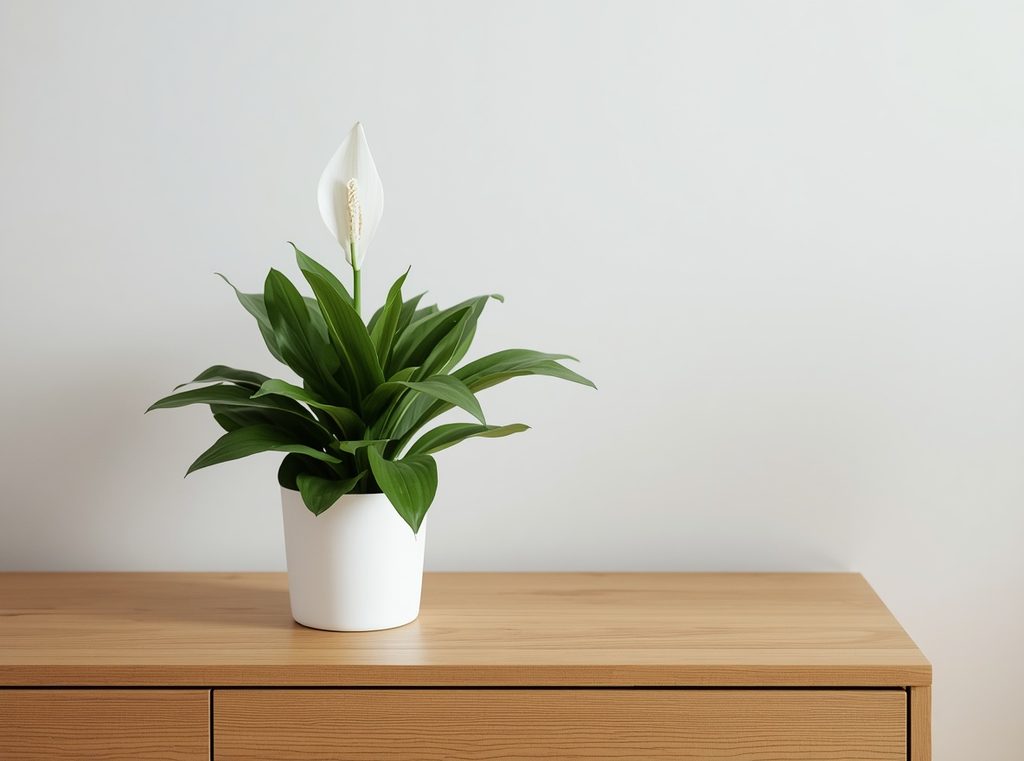
5. Peace Lily
Peace lilies have deep green leaves and elegant white flowers, and they can tolerate lower light better than many flowering houseplants. They do appreciate consistent moisture, but they are also fairly dramatic about telling you when they are thirsty because the leaves begin to droop noticeably.
Keep them somewhere with bright indirect light for the best chance of flowers. They also prefer a little humidity, so a very dry bedroom may mean occasional brown leaf tips.
6. Rubber Plant
A rubber plant is a good choice when you want something that feels more substantial than a little tabletop plant. Its large glossy leaves can add a lot of greenery without needing several different pots scattered around the room.
Rubber plants prefer bright indirect light and should be allowed to dry slightly between waterings. Given enough light, they can eventually become quite large, so they work especially well in an empty bedroom corner.
7. Heartleaf Philodendron
Heartleaf philodendron has soft trailing vines and small heart-shaped leaves that work beautifully in relaxed bedrooms. It is similar to pothos in both appearance and care, and it is another good option for someone who occasionally forgets they own plants.
Place it on a high shelf or dresser and allow the vines to trail naturally. Bright indirect light will give you fuller growth, but the plant generally handles medium and lower light reasonably well.
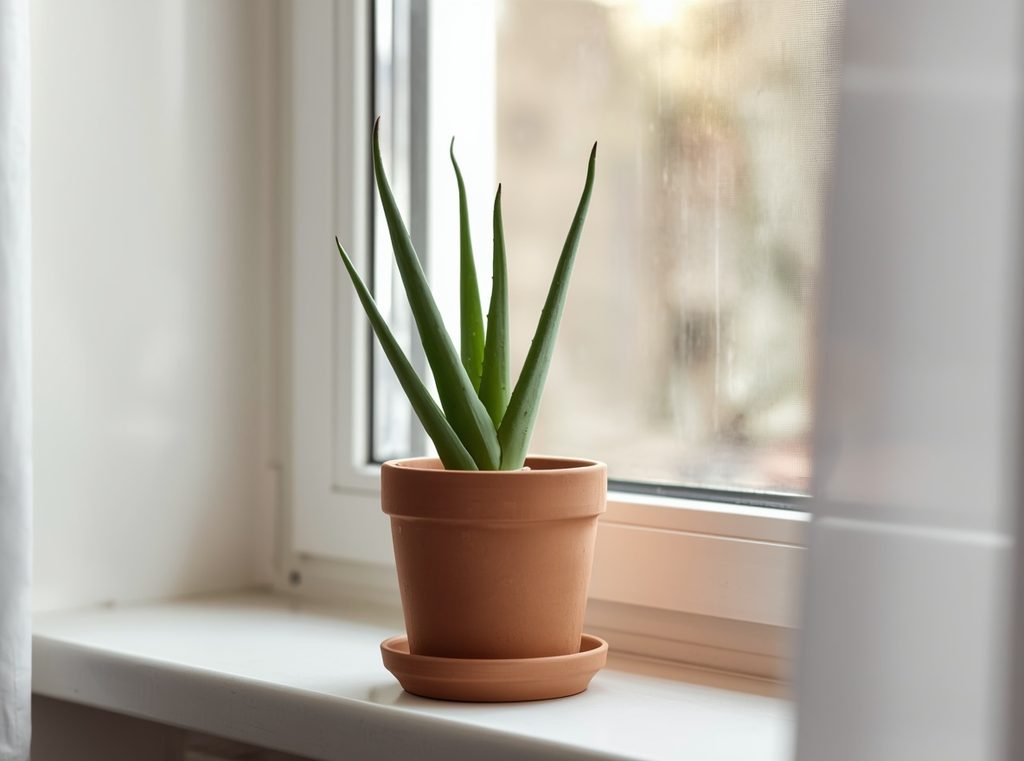
8. Aloe Vera
Aloe vera is a good bedroom choice if you have a genuinely sunny window. Unlike many of the plants on this list, aloe wants plenty of bright light and will struggle if it is tucked into a dark corner simply because it looks nice there.
The thick leaves store water, so allow the soil to dry well between waterings. A terracotta pot with a drainage hole works especially well because it helps excess moisture escape.
9. Boston Fern
Boston ferns bring a very different texture into a bedroom, with soft arching fronds that make a room feel instantly greener. They are beautiful in hanging baskets or on plant stands, but they are slightly more demanding than pothos or snake plants.
Ferns prefer consistent moisture and higher humidity, so they are best for someone who actually enjoys caring for plants. Keep them away from hot vents and very dry air, and give them bright indirect light rather than harsh direct sun.
10. Chinese Evergreen
Chinese evergreens are excellent if you want foliage with a little more colour. Depending on the variety, the leaves can be patterned with silver, cream, pink or different shades of green.
They tolerate medium and lower light and do not need constant attention. Water once the upper part of the soil has dried, and avoid leaving the pot sitting in water.
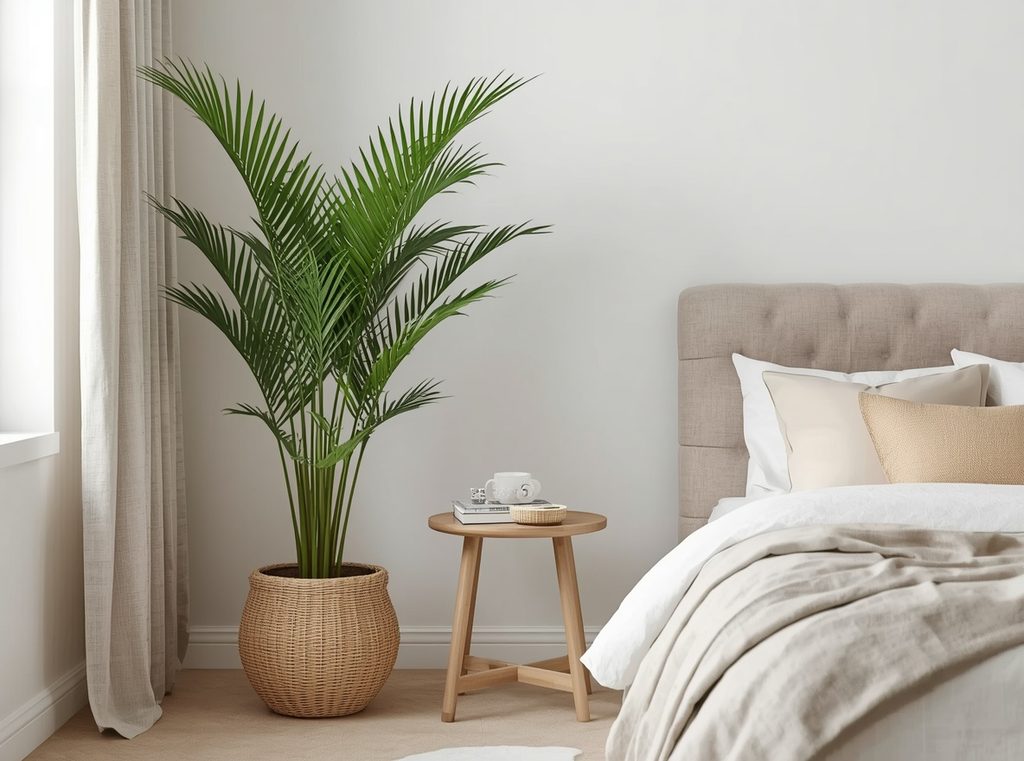
11. Parlor Palm
A parlor palm adds height and softness without becoming enormous overnight. The feathery leaves have an almost airy look that works especially well in a quiet bedroom corner.
It can tolerate medium to lower light, although bright indirect light will usually encourage better growth. Water when the top inch or so of soil feels dry and keep it away from cold drafts.
12. Lavender
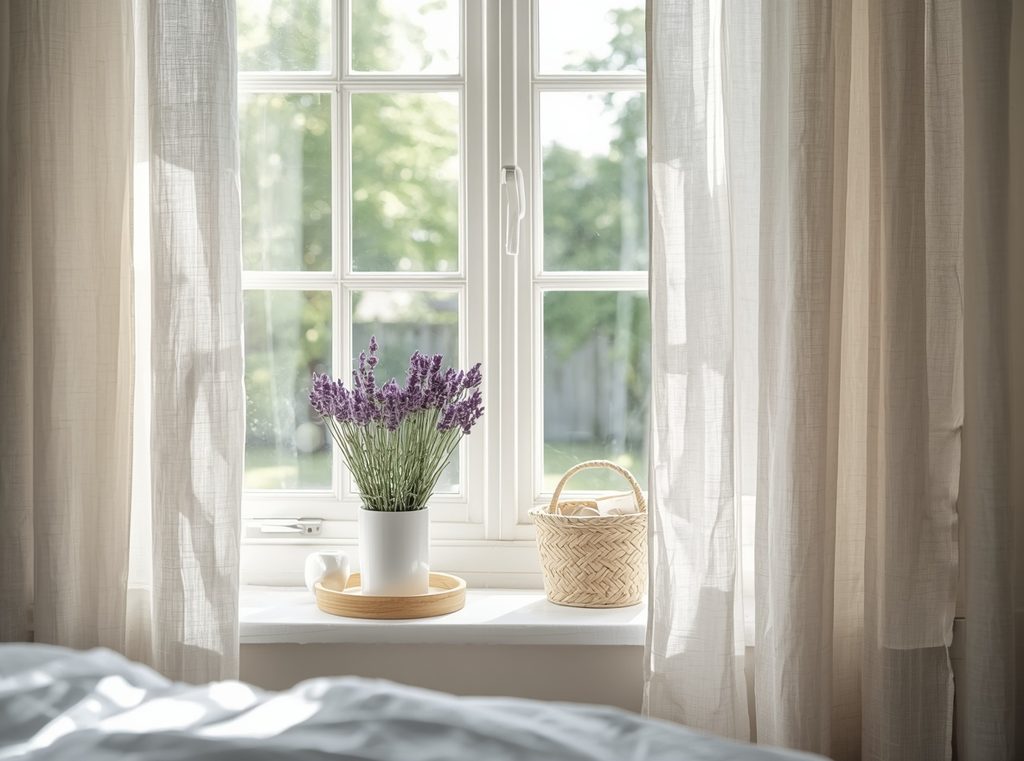
Lavender gets included on a lot of bedroom plant lists because people associate its scent with relaxation. The catch is that lavender is not really a low-light houseplant. It wants a lot of direct sun and can be difficult to keep happy indoors long term.
If you have a very sunny south-facing window, it can be worth trying in a well-draining pot. Otherwise, you may have better luck growing lavender outdoors and bringing in small cut stems or dried bundles instead.
That still gives you the scent and look without slowly watching a sun-loving plant give up in a dark bedroom.
Do bedroom plants actually clean the air?
Houseplants can absorb certain volatile organic compounds, or VOCs, and this has been demonstrated in controlled laboratory studies. That is where a lot of the “air-purifying plant” lists came from.
The problem is scale. A bedroom is not a sealed laboratory chamber, and real homes constantly exchange air through doors, windows, ventilation systems and small gaps in the building. Research comparing plant removal rates with normal ventilation has found that you would need an enormous number of plants for them to have a meaningful effect on indoor air quality.
So keep plants because you enjoy them, not because you expect one snake plant on the nightstand to replace ventilation or an air purifier.
Can plants actually help you sleep better?
There is no houseplant that is going to fix poor sleep just by sitting beside your bed. But your environment absolutely affects how a bedroom feels, and plants can be part of creating a space that feels calmer and less sterile.
For better sleep, the less exciting things matter more: keeping the room dark, quiet and comfortably cool, reducing bright light close to bedtime and having a routine that actually gives your brain a chance to wind down.
A plant can be a nice part of that environment. It just should not have to carry the entire job.
Choose plants for the light you actually have
The easiest way to keep bedroom plants alive is to stop choosing them based only on where they would look nice.
If your room has a bright window, you have lots of options. Aloe, rubber plants and even lavender can work with enough light. For rooms that stay relatively dim, snake plants, ZZ plants, pothos and Chinese evergreens are much more realistic choices.
Watch where direct sunlight actually falls throughout the day before deciding where a plant belongs. “There is a window in the room” does not necessarily mean the dark dresser twelve feet away is getting enough light.
One or two good plants are enough
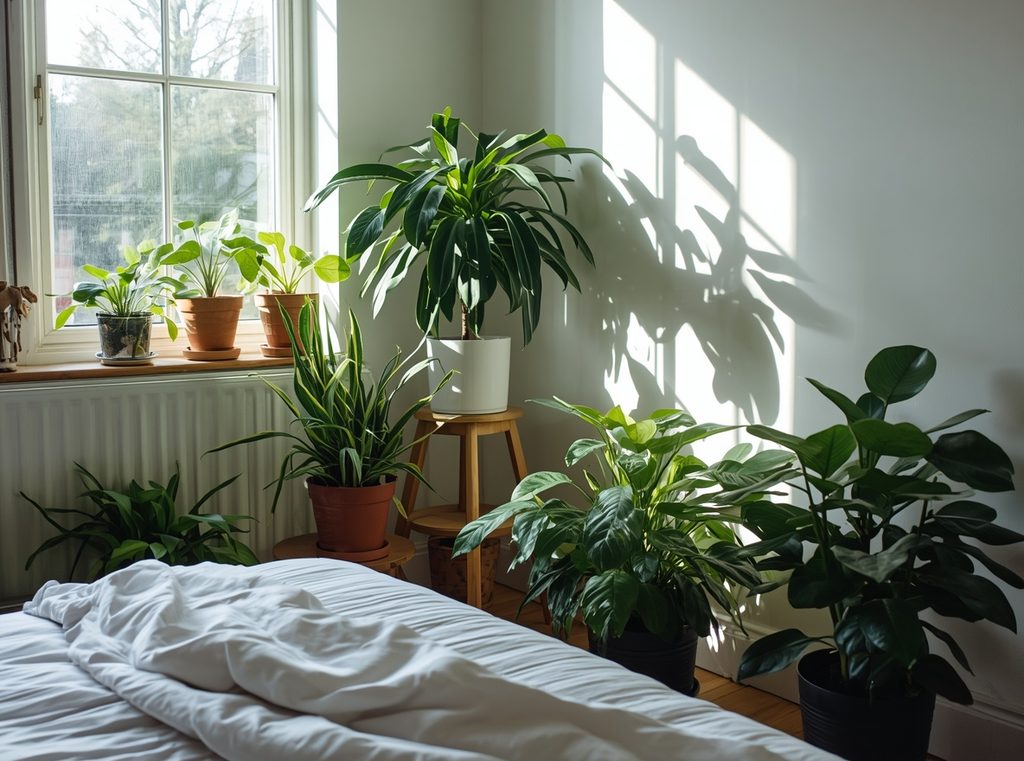
You do not need to turn the bedroom into a greenhouse to get the effect.
A larger plant in an empty corner and one smaller trailing plant on a dresser can soften an entire room. Choosing fewer healthy plants also means less watering, less repotting and fewer little pots taking over every available surface.
Pick plants that suit the light you actually have and the amount of care you realistically want to give them. The best bedroom plant is ultimately the one that still looks alive and happy six months from now.